

Banks and other lenders are now under greater legal compulsion to ensure that the people borrowing from them can afford it.
Changes to the Credit Contracts and Consumer Finance Act (CCCF Act) came into effect on December 1, 2021.
In essence these rules put much greater emphasis on banks and other lenders getting more detail from would be borrowers about why they need the loan, their income and their expenses. And the lender is required to make sure the would be borrower can afford what they are borrowing.
So, in other words, if first home buyers want to borrow a large sum from a bank, said bank has to make much greater inquiries than previously about the FHBs' suitability and ability to pay.
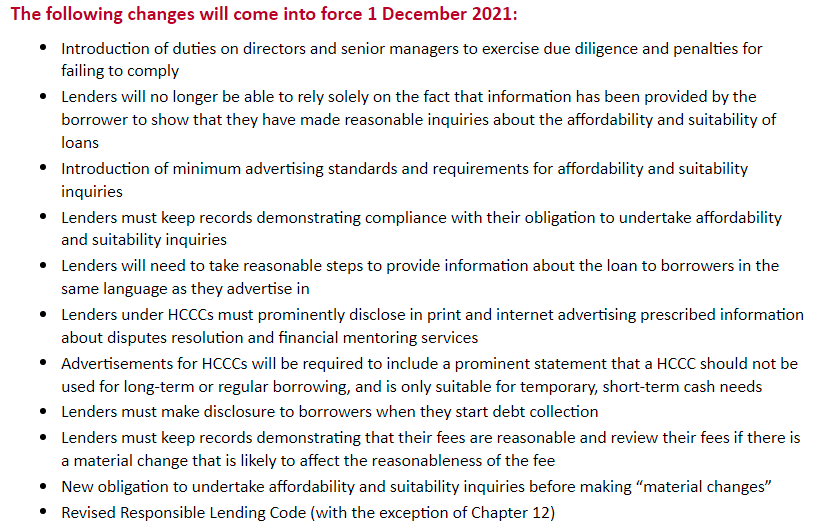
The Commerce Commission says lenders "will no longer be able to rely solely on the fact that information has been provided by the borrower to show that they have made reasonable inquiries about the affordability and suitability of loans".
Additionally, lenders "must keep records demonstrating compliance with their obligation to undertake affordability and suitability inquiries".
Commerce Commission Chair Anna Rawlings said the new CCCF changes were "significant" and built on the existing responsible lending requirements.
"For borrowers, this change means more information will be gathered by lenders about the reasons why they need the loan, their income, and expenses. This information will enable lenders to properly assess whether the loan will meet the borrower’s needs and that the borrower can afford the repayments without getting into financial difficulty."
Rawlings said the changes were intended to better protect borrowers from taking on unaffordable debt and provide greater clarity for lenders when assessing loan applications.
"Lenders are obliged to help their customers to make informed choices when they are taking out loans. These changes to responsible lending requirements should help to deliver greater consistency in the provision of suitable and affordable loans to borrowers throughout the sector."
A range of other changes also came into force on December 1.
Directors and senior managers are required to exercise due diligence to ensure lenders comply with their consumer lending obligations. There is greater clarity about advertising standards for consumer loans and three new types of disclosure requirements have been introduced. Lenders must also keep records demonstrating that their fees are reasonable and regularly review their fees. Lenders may face financial penalties if they do not comply with their consumer lending obligations.
"The commission’s priority in recent months has been to educate lenders about recent changes to consumer credit laws and the changes coming into force today so they understand what is required of them and take steps to comply with their additional obligations," Rawlings said.
Below is a list from the commission's website of the new rules (note - HCCC refers to 'high cost' (above 50%) loans):
We welcome your comments below. If you are not already registered, please register to comment
Remember we welcome robust, respectful and insightful debate. We don't welcome abusive or defamatory comments and will de-register those repeatedly making such comments. Our current comment policy is here.