
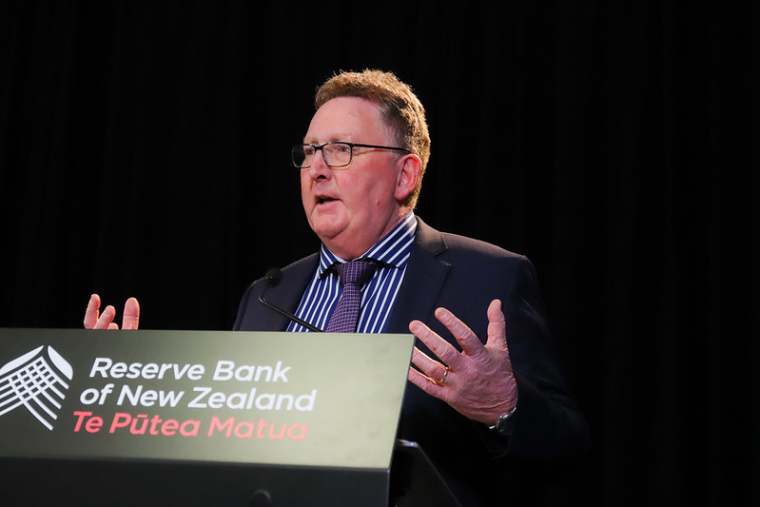
Reserve Bank Governor Adrian Orr is calling on banks to lift deposit rates as much as they have lifted mortgage rates, saying their tardiness is boosting their profits and preventing the benefits of the higher Official Cash Rate (OCR) flowing to savers.
Orr also used the opportunity of his first news conference since late November to criticise the big four banks' efforts on inclusion and resilience, pointing to the problems many residents in the remoter areas of Te Tai Rāwhiti, Northland and Hawke's Bay have had getting cash and/or using EFTPOS networks for essentials, largely because of a lack of branches, ATMs and networks able to work independently of mains power.
Orr's comments on deposit rates lagging mortgage rates were echoed in the Reserve Bank's Monetary Policy Statement, which accompanied an as-expected 50 basis point hike in the OCR to 4.75%.
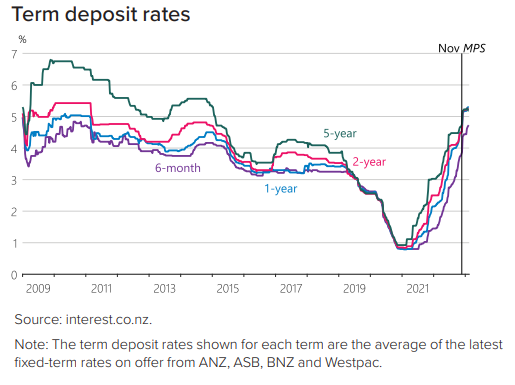
"Deposit rate increases continue to lag the increases in wholesale and mortgage rates, resulting in a further widening of bank margins between lending and deposit rates," the summary of the Monetary Policy Committee meeting recorded.
"The Committee expect deposit rates to increase over the coming year incentivising savings, further dampening inflation and supporting the maintenance of current mortgage rates for a longer period."
Term deposit rates have risen around 350 basis points to around 4.5% since the OCR began rising in October 2021, while mortgage rates have risen by around 400 basis points to 6.5%.
Orr made a point of calling out the banks in his opening remarks.
"I think it's important that it's understood what we are calling out across the banks as they have been very quick to increase the mortgage lending rates, but deposit rates have lagged behind, and bank margins are holding up," he said.
"Higher deposit rates are a critical part to encourage savings which takes inflation pressure out of the economy."
In its interim financial results last week ASB reported a 33 basis points net interest margin rise to 2.52%.
Gabrielle exposes banking exclusion and resilience issues
Orr was also critical of the the banks' moves to shut branches and remove ATMs in remote regions, along with not having back-ups for when power went down.
"I'm seeing and reading some horrific stories out there at the moment of isolated communities, when people lose the ability to transact, when they don't have a means of exchange, social cohesion ends very quickly," Orr said.
"So these are vivid reminders right now, of the importance of resilience through the system," he said.
Orr said financial inclusion was a relatively new role for the bank, along with stewardship of the banking and transaction systems, particularly around the role of cash.
"That is the work we have to do with banks, and with the cash in transit firms around ensuring that 'just in time' doesn't dominate 'just in case.'
"The bank has been publishing on this work for the last two years or so around our future of money work. And part of that is whilst people say I don't use cash, daily or regularly, some people only use it, and all of us use it sometimes.
"This is one of those times those people needed to use. So financial inclusion sits with us. It sits with the Financial Markets Authority, but it sits with the banks as well around their social licence to operate."
Orr said the bank had been particularly busy in the last week with ensuring cash was distributed and ATMs worked.
"Outside of the Monetary Policy Committee, the bank has been primarily involved in making sure we have cash circulating in areas that do not have electricity or communication. There's nothing more distressing than seeing a cafe serving hot coffee, beside a bank whose ATM doesn't work. One had a generator. So it's these lessons around resilience.
"Operational risk is as important as financial risk or reputational risk.
We have been working for a couple of years around models with the New Zealand Bankers Association and testing banking hubs and different ways of doing it. But we are far from being there."
We welcome your comments below. If you are not already registered, please register to comment
Remember we welcome robust, respectful and insightful debate. We don't welcome abusive or defamatory comments and will de-register those repeatedly making such comments. Our current comment policy is here.