
By Mark Tanner*
There’s a new nightlife trend emerging in China’s higher-tier cities: Traditional Chinese Medicine (TCM) bars.
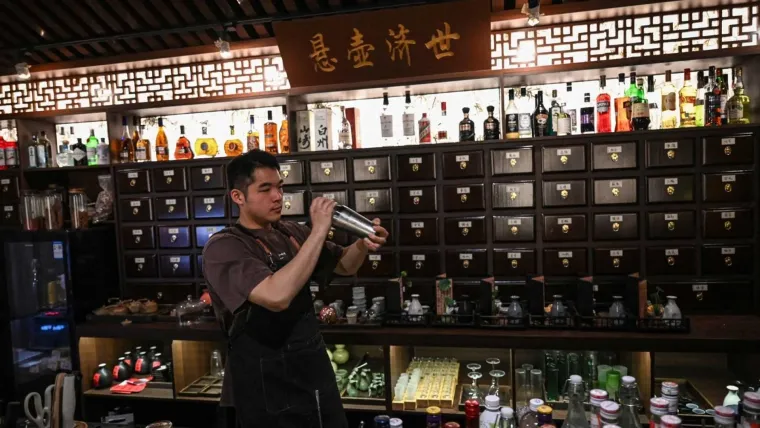
These low-lit venues hum with music, but behind the bar where you’d expect rows of bottles, sit drawers filled with herbs. Bartenders in white coats, often TCM-certified, engage each guest, asking about their lifestyle and habits before crafting personalised herbal cocktails.
There are three interesting developments at play here:
First, the continued fusion of TCM into contemporary, trend-led spaces; elevating it from a traditional remedy to a modern lifestyle symbol. Second, as hospitality in China increasingly leans into QR codes and self-service, the return of human interaction holds renewed appeal – particularly in categories where trust is important, such as health. And third, the growing importance of personalisation.
Personalisation has been a long-running trend in China. We’ve been emphasising its importance for over a decade. But the level now available to consumers has stepped up significantly.
Until recently, true personalisation at scale was difficult to execute. Today, with the rise of AI and smart manufacturing, it’s becoming far more achievable.
Take Haier. Once a provider of standardised home appliances that consumers adapted their lives around, it now enables users to co-design products online. Appliances are tailored to their exact needs and lifestyles, and have them delivered in near real time. If it can be done with fridges, it can be done with almost anything.
And personalisation is unlikely to stop at the point of purchase. As more products are embedded with technology, they can evolve alongside the user at all stages of the customer journey. Appliances can adapt to seasons or occasions; EVs could one day reskin themselves to match your mood.
With Chinese consumers can be exposed to tens of thousands of new products daily, relevance has never been more critical. Personalisation helps brands cut through, making products feel less generic and more attuned to individual needs, motivations, and contexts.
This growing capability is also driving expectation. Consumers are increasingly anticipating that both products and marketing will speak directly to them.
Not every brand can build AI-enabled, just-in-time production systems. But all brands should recognise the direction of travel. Tailor where you can, whether through more targeted SKUs, occasion-led offerings, or interest-specific variants, to avoid being seen as generic. And personalise communications too. With AI, it has never been easier to deliver messaging that better aligns with individual needs.
*Mark Tanner is the CEO of China Skinny, a marketing consultancy in Shanghai. This article was first published here, and is re-posted with permission.
We welcome your comments below. If you are not already registered, please register to comment
Remember we welcome robust, respectful and insightful debate. We don't welcome abusive or defamatory comments and will de-register those repeatedly making such comments. Our current comment policy is here.