
Trade Minister Todd McClay is expecting the United States to increase tariffs on New Zealand goods to 12.5% over the course of this week.
Speaking to reporters on Tuesday afternoon, McClay said: “We’ve been very clear that we don’t think tariff rates should be imposed against New Zealand.”
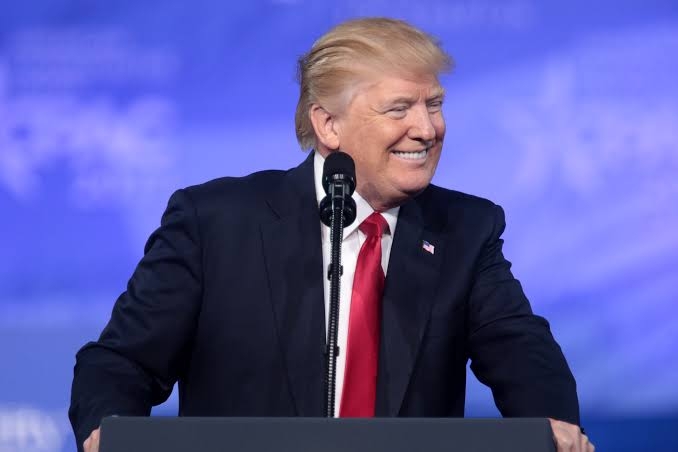
“But President Trump campaigned on a tariff agenda and he’s doing what he wants to do.”
The US currently imposes a 10% import tax on New Zealand products but through the law this is under, it’s only valid for 150 days.
“We’d expect during the course of this week, it’s probably going back to 12.5%,” McClay said.
He said while this was ironically lower than the initial 15% that Trump had first suggested, it was still unhelpful.
McClay’s comments come after Trump imposed 50% tariffs on most Canadian goods with a White House fact sheet saying this was due to “Canada’s discriminatory treatment of American products.”
“By doing so, President Trump is offsetting the burden and disadvantage on U.S. commerce from Canada’s discriminatory treatment of U.S. commerce and is leveling the playing field for crucial American exports - cars, alcohol, and dairy.”
Last week, the US hit Brazil with a 25% tariff which is set to take effect from July 22. Brazil was the first country targeted under Trump's new tariff plan, according to Reuters.
NZ and other countries have been bracing themselves for a tariff shock, following an announcement from the US Trade Representative in June.
This is what the Office of the US Trade Representative said at the time:
The U.S. Trade Representative today has determined that the failure of each of the 60 investigated economies to impose and effectively enforce a forced labor import prohibition is unreasonable or discriminatory and burdens or restricts U.S. commerce, and thus is actionable under Section 301(b)(1) of the Trade Act. In particular, the U.S. Trade Representative determined:
- The following 54 economies have failed to impose and effectively enforce a prohibition on the importation of goods produced with forced labor:
- Algeria; Angola; Argentina; Australia; the Bahamas; Bahrain; Bangladesh; Brazil; Cambodia; Chile; China, People’s Republic of; Colombia; Costa Rica; Dominican Republic; Egypt; El Salvador; Guatemala; Guyana; Honduras; Hong Kong, China; India; Iraq; Israel; Japan; Jordan; Kazakhstan; Kuwait; Libya; Malaysia; Morocco; New Zealand; Nicaragua; Nigeria; Norway; Oman; Peru; the Philippines; Qatar; Russia; Saudi Arabia; Singapore; South Africa; South Korea; Sri Lanka; Switzerland; Taiwan; Thailand; Trinidad and Tobago; Türkiye; United Arab Emirates; United Kingdom; Uruguay; Venezuela; and Vietnam.
- The following six economies have failed to effectively enforce a prohibition on the importation of goods produced with forced labor: Canada; Ecuador, the European Union; Indonesia; Mexico; and Pakistan.
- Therefore, all of the investigated economies have failed both to impose a forced labor import prohibition and to effectively enforce such a prohibition.
We welcome your comments below. If you are not already registered, please register to comment
Remember we welcome robust, respectful and insightful debate. We don't welcome abusive or defamatory comments and will de-register those repeatedly making such comments. Our current comment policy is here.