
The US is weaponsing a law designed to block imports made with 'forced labour" to end a court-imposed block on tariffs that used another law.
New Zealand will be caught up in this stand-off if it proceeds.
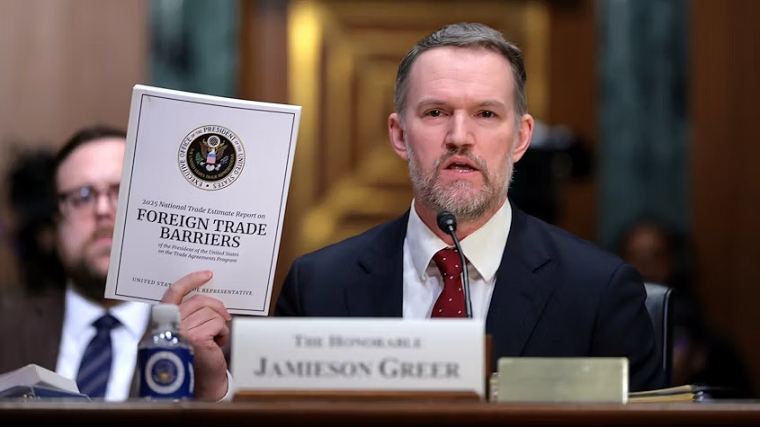
This is what the US Trade Representative has ruled:
The U.S. Trade Representative today has determined that the failure of each of the 60 investigated economies to impose and effectively enforce a forced labor import prohibition is unreasonable or discriminatory and burdens or restricts U.S. commerce, and thus is actionable under Section 301(b)(1) of the Trade Act. In particular, the U.S. Trade Representative determined:
- The following 54 economies have failed to impose and effectively enforce a prohibition on the importation of goods produced with forced labor:
- Algeria; Angola; Argentina; Australia; the Bahamas; Bahrain; Bangladesh; Brazil; Cambodia; Chile; China, People’s Republic of; Colombia; Costa Rica; Dominican Republic; Egypt; El Salvador; Guatemala; Guyana; Honduras; Hong Kong, China; India; Iraq; Israel; Japan; Jordan; Kazakhstan; Kuwait; Libya; Malaysia; Morocco; New Zealand; Nicaragua; Nigeria; Norway; Oman; Peru; the Philippines; Qatar; Russia; Saudi Arabia; Singapore; South Africa; South Korea; Sri Lanka; Switzerland; Taiwan; Thailand; Trinidad and Tobago; Türkiye; United Arab Emirates; United Kingdom; Uruguay; Venezuela; and Vietnam.
- The following six economies have failed to effectively enforce a prohibition on the importation of goods produced with forced labor: Canada; Ecuador, the European Union; Indonesia; Mexico; and Pakistan.
- Therefore, all of the investigated economies have failed both to impose a forced labor import prohibition and to effectively enforce such a prohibition.
If enacted, exports from New Zealand (and all the countries listed) will attract a 12.5% tariff.
McClay rejects suggestion NZ is 'somehow part of forced labour'
Finance Minister Nicola Willis said the Government would look at the specific proposal, adding: "We would always ask that trade rules be upheld and obliged".
"We don't think escalating tariffs helps anyone, and so we will oppose it on those grounds.
"But equally, we recognise that we are one of many countries affected by this equally, that New Zealand hasn't been singled out specifically, that we sit alongside Australia and other countries we compare ourselves with."
Willis said her thoughts went out to exporters, who had been through a "really volatile situation vis-a-vis US tariffs, but who have also showed themselves to be extremely resilient with trade across a range of products and services continuing to increase into US, despite what has been a very uncertain tariff regime".
Speaking on RNZ, Trade Minister Todd McClay, who is in France, rejected the suggestion that New Zealand was "somehow part of forced labour".
McClay said the tariff would replace the current 10% tariff, and it was harmful to trade, RNZ reported.
*Additional reporting Anna Whyte.
We welcome your comments below. If you are not already registered, please register to comment
Remember we welcome robust, respectful and insightful debate. We don't welcome abusive or defamatory comments and will de-register those repeatedly making such comments. Our current comment policy is here.