
Here's my summary of the key events overnight that affect New Zealand, with news of a worrying recent fall in airfreight shipments especially out of China.
But first, the Fed’s latest Beige Book survey portrays the American economy overall as continuing to expand at a moderate or modest pace in July through mid-August. It says some areas of the economy are relatively strong, including the jobs market, the housing market and construction. But it also pointed to growing obstacles, such as the strong dollar and slowing growth in China.
Data for US factory orders for July came in slightly weaker than expected however, although the Beige Book survey covers the period after that.
Sort of supporting the Fed survey, private-sector payrolls in August expanded at a more modest-than-expected pace adding 190,000 jobs, according to a private employment survey, one that foreshadows the upcoming non-farm payrolls report due out on Saturday. It is worth noting that the official stats have initially underestimated job growth for almost every August over the last decade, a trend the Fed will have to reconcile when it works out whether America is ready for a rate hike. It makes that decision the week after next.
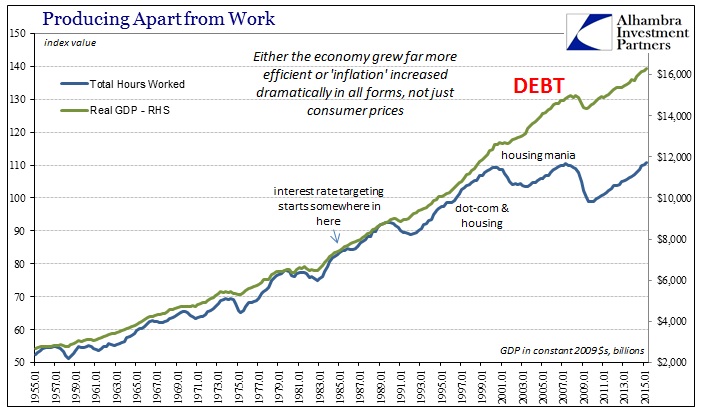
One important component will be worker productivity which in data out overnight showed it grew much more than initially thought in the second quarter - at a +3.3% clip - reflecting a bounce back in economic activity following a slow start to 2015. That has kept a lid on both wage and hiring levels.
In Australia, they have just reported weak growth in the June quarter. Their economy narrowly missed shrinking for the first time in more than four years last quarter after a spike in government spending - including on defense - helped cushion the most sustained slump in national income since the early 1990s recession. New Zealand reports its Q2 growth numbers on September 17.
Overnight the IMF said we shouldn't stress too much about China, but it also warned of growing risks there. Backing that up is early data on airfreight shipments from there. Air cargo is widely tracked as a leading indicator for trade because shippers deciding whether to send items by plane are often swayed by last-minute economic developments. The recent drop in volumes has analysts concerned, even as maritime shipping out of Asia has remained healthy.
In New York, the UST 10yr yield benchmark is unchanged today at 2.17%. Our swap rates rose a couple of basis points yesterday and will get no signals from Wall Street today.
The US benchmark oil price is marginally higher, now at US$46/barrel and the Brent benchmark back to US$50/barrel.
The gold price is lower at US$1,133/oz.
The New Zealand dollar starts today unchanged at 63.6 US¢, at 90.3 AU¢, and 56.6 euro cents. The TWI-5 is still at 68.2.
If you want to catch up with all the local changes yesterday, we have an update here.
The easiest place to stay up with event risk today is by following our Economic Calendar here »
We welcome your comments below. If you are not already registered, please register to comment
Remember we welcome robust, respectful and insightful debate. We don't welcome abusive or defamatory comments and will de-register those repeatedly making such comments. Our current comment policy is here.