
By Greg Ninness
As the real estate industry slowly starts to come back to life as COVID-19 restrictions begin to ease, the biggest headache buyers, sellers and the banks that finance their deals are likely to face is trying to determine where prices should sit.
Although real estate agents can undertake a limited number of private viewings per property, much of their work at this stage will involve preparing homes for marketing campaigns that will commence once we go down to Level 2, which presumably will allow things like open homes and auction activity to start up again.
That could still be a couple of weeks away and maybe more, which means it's probably going to be around mid-May before the industry gets fully into gear again.
That suggests we probably won't see any reasonable number of sales again until at least the end of May and more likely, June.
The immediate effect the lockdown had on sales can seen in the latest figures from the Real Estate Institute of New Zealand (REINZ), which showed that March sales dropped by 70% once the lockdown commenced.
The marketing campaigns for most of those properties had probably run their course by the time the lockdown started, which would mean buyers had probably been able to view properties and complete due diligence, just leaving the final negotiations to be completed post-lockdown, which could have taken place over the phone or internet.
It's likely that in April the number of sales will have slowed even further to just a trickle and May's sales may not be much better.
If most marketing campaigns kick off in earnest around mid-May, it could be the end of May at least before sales start to flow into the system and it will probably be June before we see sales occurring again in any sort of reasonable numbers.
The problem everyone faces when sales are so low, is deciding what price to agree on, because the data that normally provides them with price guidance can be so thin that it becomes almost meaningless.
Most of the pricing information that is currently available will relate to sales that were largely agreed before the lockdown commenced and that's not likely to have changed much when April data from the likes of Quotable Value and the REINZ is released next month.
And that data could remain fairly thin in May and even June, which means it could be July before we start to see reliable data that gives a realistic indication of where prices are sitting.
That is not just a problem for people who are looking to buy or sell a property and the agents in the middle of that process. It's just as much of a problem for the banks who will be called on to finance most of those deals.
For the next few months, their biggest problem may be in deciding how much a property is really worth and therefore, how much they should lend against it.
The biggest worry most people have in a situation like this is that they could agree that the price should be $XXX, only to discover a few months later when more reliable data becomes available that the property is only worth $XXX minus 10% or $XXX minus 15% or whatever.
That uncertainty will probably make banks much more conservative with their new lending.
Although the Reserve Bank has wiped loan-to-valuation ratio restrictions on home loans, banks are likely to require reasonable-sized, if not generous, deposits, so that the risk of further price falls lies with the borrower rather than the bank.
They will also be looking a lot harder at things like the job security and credit history of borrowers and their cash flows if the loan is approved.
Loans are far less likely to be approved on properties that fall outside of the mainstream, such as do-ups or those that might be seen as less desirable for one reason or another.
On top of that many buyers and sellers will probably respond to the uncertainty in the market by simply putting their plans on hold.
They'll decide to wait and see where things end up.
Because we are heading towards winter, which is usually the slowest time of the year, it will probably be spring at least before they decide to either return to the market or postpone their plans indefinitely.
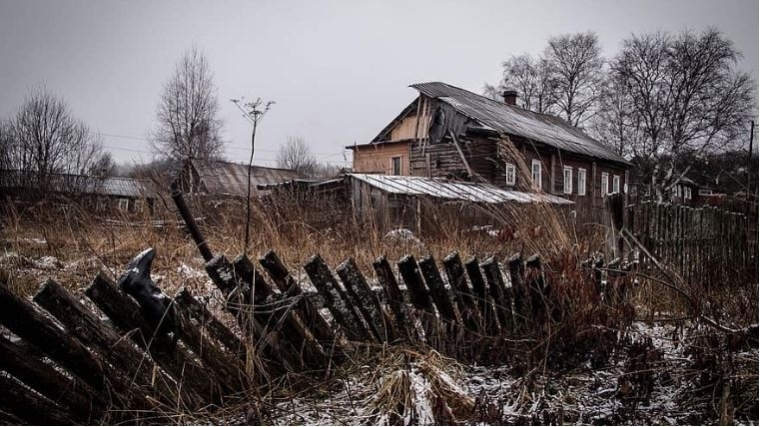
So the real estate industry could be in for a long cold winter.
The comment stream on this story is now closed.
You can receive all of our property articles automatically by subscribing to our free email Property Newsletter. This will deliver all of our property-related articles, including auction results and interest rate updates, directly to your in-box 3-5 times a week. We don't share your details with third parties and you can unsubscribe at any time. To subscribe just click on this link, scroll down to "Property email newsletter" and enter your email address.
We welcome your comments below. If you are not already registered, please register to comment
Remember we welcome robust, respectful and insightful debate. We don't welcome abusive or defamatory comments and will de-register those repeatedly making such comments. Our current comment policy is here.