
By Patrick Watson*
“Affordability” is big news lately. It’s another way of saying “inflation hurts.” That’s not really news, but one affordability problem is almost guaranteed to get worse no matter what the economy does: homeowner’s insurance.
For decades, the property insurance industry has been backstopping the American Dream: Affordable and (generally) predictable premiums and protection against disaster.
Now? Not so much.
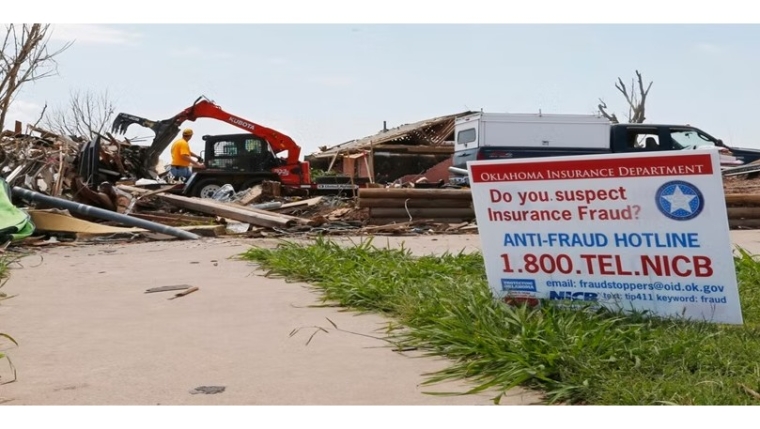
A toxic combination of skyrocketing repair costs, insurers withdrawing from high-risk markets, and mounting debt pressures are breaking our backstop. What once was a manageable cost of homeownership is becoming a systemic economic threat.
Insurance costs are rising faster than ever
Homeowners insurance premiums have been climbing steeply pretty much everywhere, but especially in “high-risk” areas. Worse, you may be in such an area and not even know it.
Nationwide, average premiums have increased far faster than both inflation and home values. One analysis found that insurance prices increased 74 % while home prices rose just 40% (after adjusting for inflation) over a comparable period. A Realtor.com survey shows that 75% of Americans worry homeowners insurance is becoming unaffordable, and nearly half have struggled to obtain or renew coverage.
Another twist: home values are sinking just as insurance costs climb, eroding wealth and undermining the collateral that underpins the housing market itself.
As we learned in 2008, the housing market is the US economy’s thousand-pound gorilla. Bad things happen when it gets angry.
Market withdrawal
Last year in Choose Your Insurance Poison, I showed how private insurers are increasingly reluctant to sell or renew coverage because they simply can’t make money in certain places. Year on year of underwriting losses eventually makes them leave.
Without private insurance, homeowners are pushed into state-run “last-resort” plans — which often cost more and offer less coverage. In California, for example, the FAIR Plan’s exposure ballooned after major fires, and its limited reserves mean homeowners sometimes have to pay surcharges passed through from insurers.
Without robust competition and accurate risk assessment, property insurance simply doesn’t work at prices homeowners can afford to pay. But mortgage contracts often require them to have insurance. It’s a rock and a hard place.
Broader consequences
Escalating home insurance costs aren’t just a personal pain point — they ripple through the entire economy.
Home affordability: As insurance premiums make homeownership more expensive, fewer people can afford to buy, reducing demand for construction and slowing household formation. Those who can buy may take on additional debt, leaving them more financially fragile.
Mortgage risk and credit markets: Lenders typically require homeowners’ insurance as a condition of a mortgage. When premiums spike, monthly payments rise, raising the risk of default and foreclosure. That may be one reason US foreclosure filings spiked 20% last month compared to November 2024.
Government backstops and fiscal strain: In The Giant Debt Problem Everyone is Missing, I said that if private insurers retreat too far, the federal government may have no choice but to underwrite disaster risk — just to keep housing finance functioning. That could add trillions to our already massive national debt, compounding long-term fiscal challenges.
Wealth erosion: When insurance costs rise and home values stagnate or fall in high-risk areas, it erodes household wealth — which for many Americans is concentrated in their homes. This dynamic undermines retirement security and consumer spending.
Painful choices
Homeowners, policymakers and financial markets have no good choices, only painful tradeoffs.
We really have only three options:
Let premiums rise freely, further squeezing homeowners and potentially slowing broader economic growth.
Subsidize coverage or federalize risk, shifting costs onto taxpayers and adding to public debt.
Enforce price controls, which may make insurance temporarily cheaper but likely lead more insurers to exit markets or restrict coverage.
At its root, the home insurance problem is a symptom of other trends — rising climate risk, inflationary pressures on rebuilding costs, and changing risk tolerances among corporations and governments. None of those are easy to solve.
But unless something changes, the crisis in homeowners’ insurance won’t be just another “affordability issue.” It will become another giant economic challenge on top of everything else.
*Patrick Watson is senior economic analyst at Mauldin Economics. This article is from a Mauldin Economics series called Connecting the Dots. It first appeared here, and is used by interest.co.nz with permission.
We welcome your comments below. If you are not already registered, please register to comment
Remember we welcome robust, respectful and insightful debate. We don't welcome abusive or defamatory comments and will de-register those repeatedly making such comments. Our current comment policy is here.