

Modelling done by a Treasury analyst concludes that while house price growth increases the divide between people who do and don’t own houses, it decreases inequality overall.
The research "surprisingly" found a 10% increase in house prices decreases wealth inequality across the population.
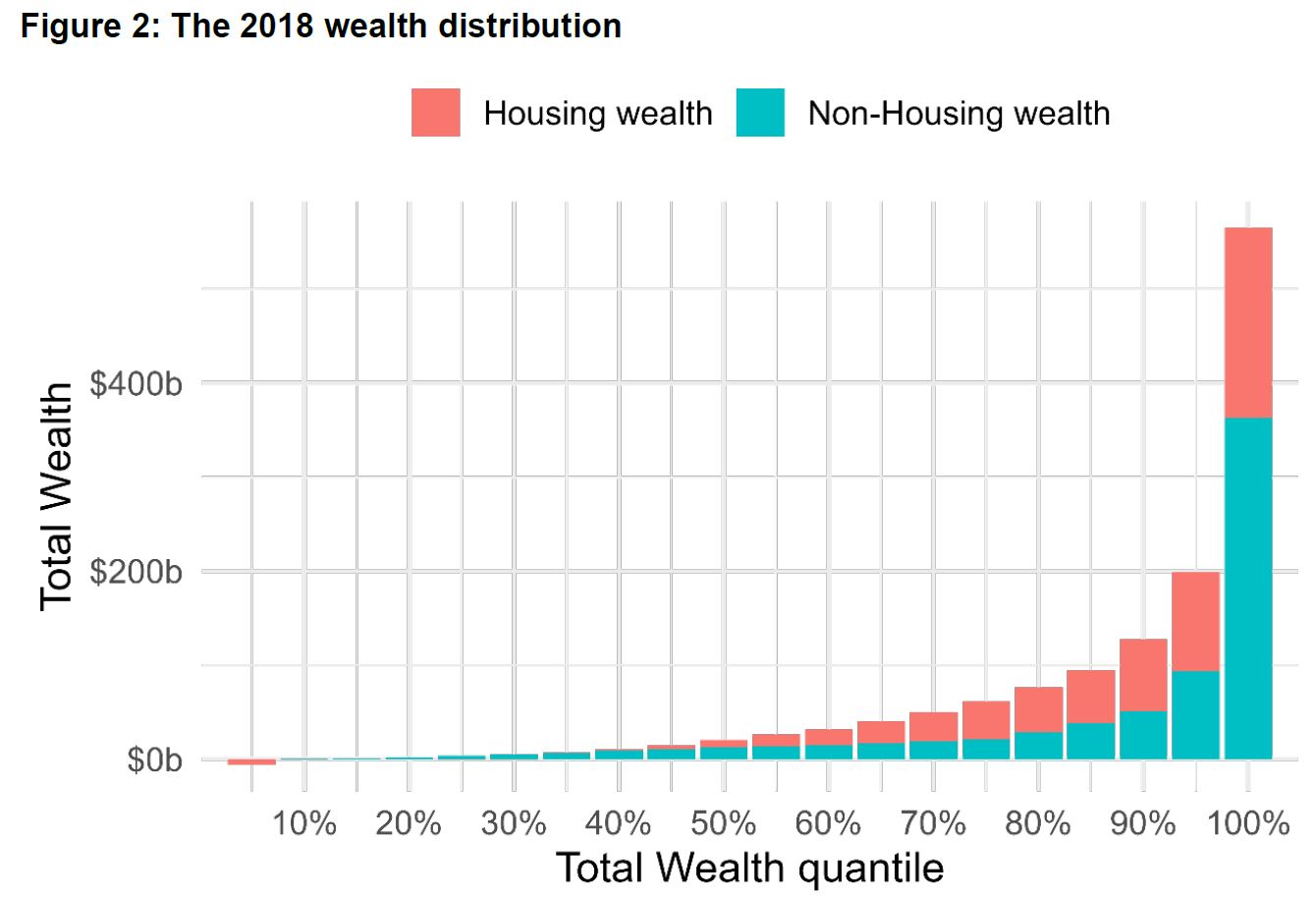
This is because the wealth of the wealthiest is mostly comprised of non-housing assets. For most other homeowners, housing makes up most their wealth (see graph below).
So, a house price rise gives the homeowning middle class a chance to catch up with the wealthy.
Because the majority of households (around 64%) are homeowners, the narrowing of wealth inequality within this group is large enough for inequality across the population to fall a little.
But, when house prices rise, the wealth gap between homeowners and non-homeowners widens.
The modelling didn’t consider how changes in the prices of other assets, like shares or commercial property, affect inequality. It isolated house price inflation and considered its effects alone.
Impact of 10% price hike relatively small
The Treasury analyst concluded the decrease in inequality across the population is slightly larger than the increase in inequality between owners and non-owners. But the change is small in both instances.
The analyst used the Gini coefficient, which measures wealth inequality as the ratio of the mean wealth gap to twice the mean wealth. It ranges from 0% for complete equality to 100% for complete inequality.
A 10% rise in house prices saw the Gini coefficient across the population fall by 0.7 percentage points from 70.8% to 70.1%. Whereas it saw the Gini coefficient between owners and non-owners rise by 0.3 percentages points from 86.4% to 86.7%.
Larger price hikes = larger divide between haves and have-nots
The analyst said, “All our results look similar in direction when we simulate larger house price increases…
“The total population Gini coefficient moves towards a lower bound of 66.4%... Meanwhile, inequality between homeowners and non-owners moves slowly towards 100%...
“Our results also look similar if we increase housing and shares at the same time, or if we include commercial property with housing. In each case, we find that the relative gap between asset owners and non-owners widens.”
The bigger picture
The analyst recognised the importance of looking at the bigger picture.
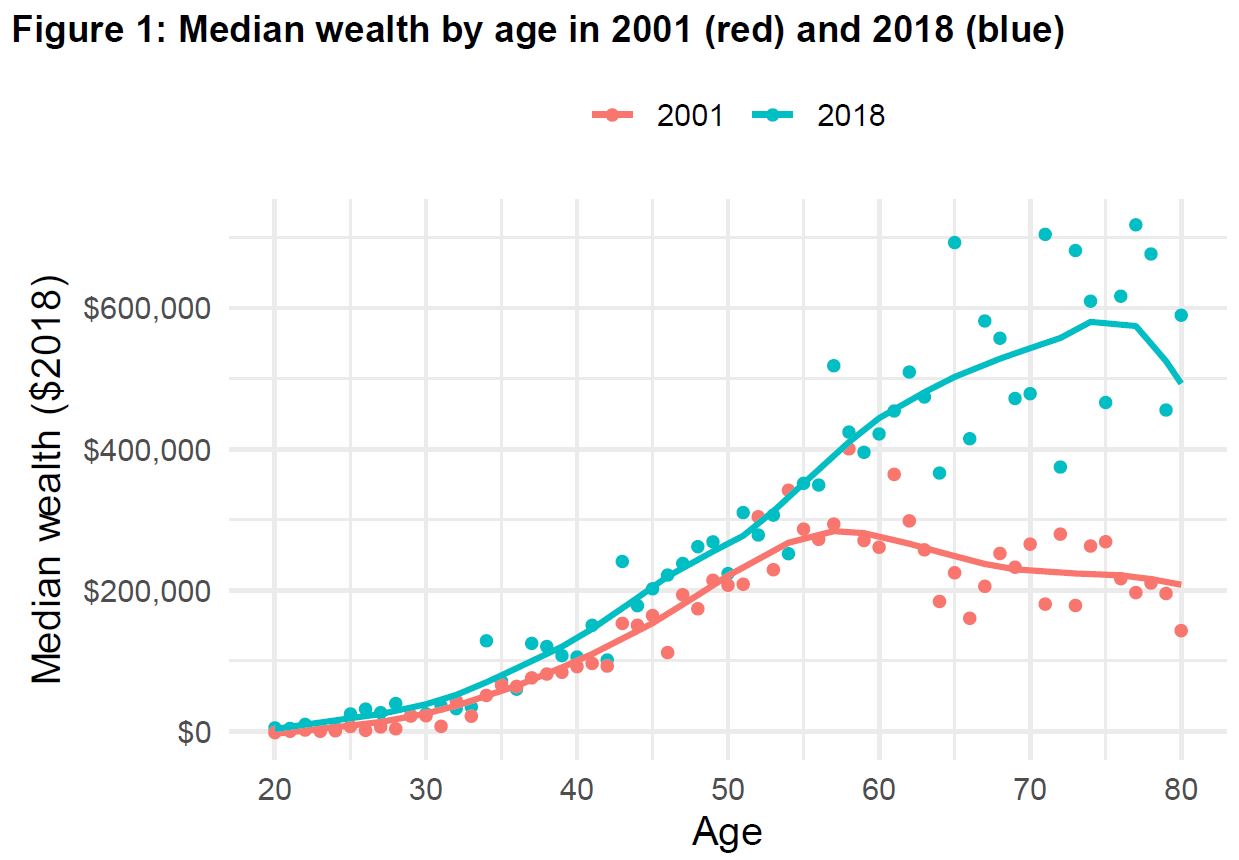
They noted the generational divide between homeowners and non-homeowners, and the fact older people have become proportionally wealthier than younger people in recent years.
The analyst also recognised there is a strong correlation between non-homeownership and being in material hardship.
While around 6% of non-ownership households are in material hardship, only 1% of households that own homes are in material hardship.
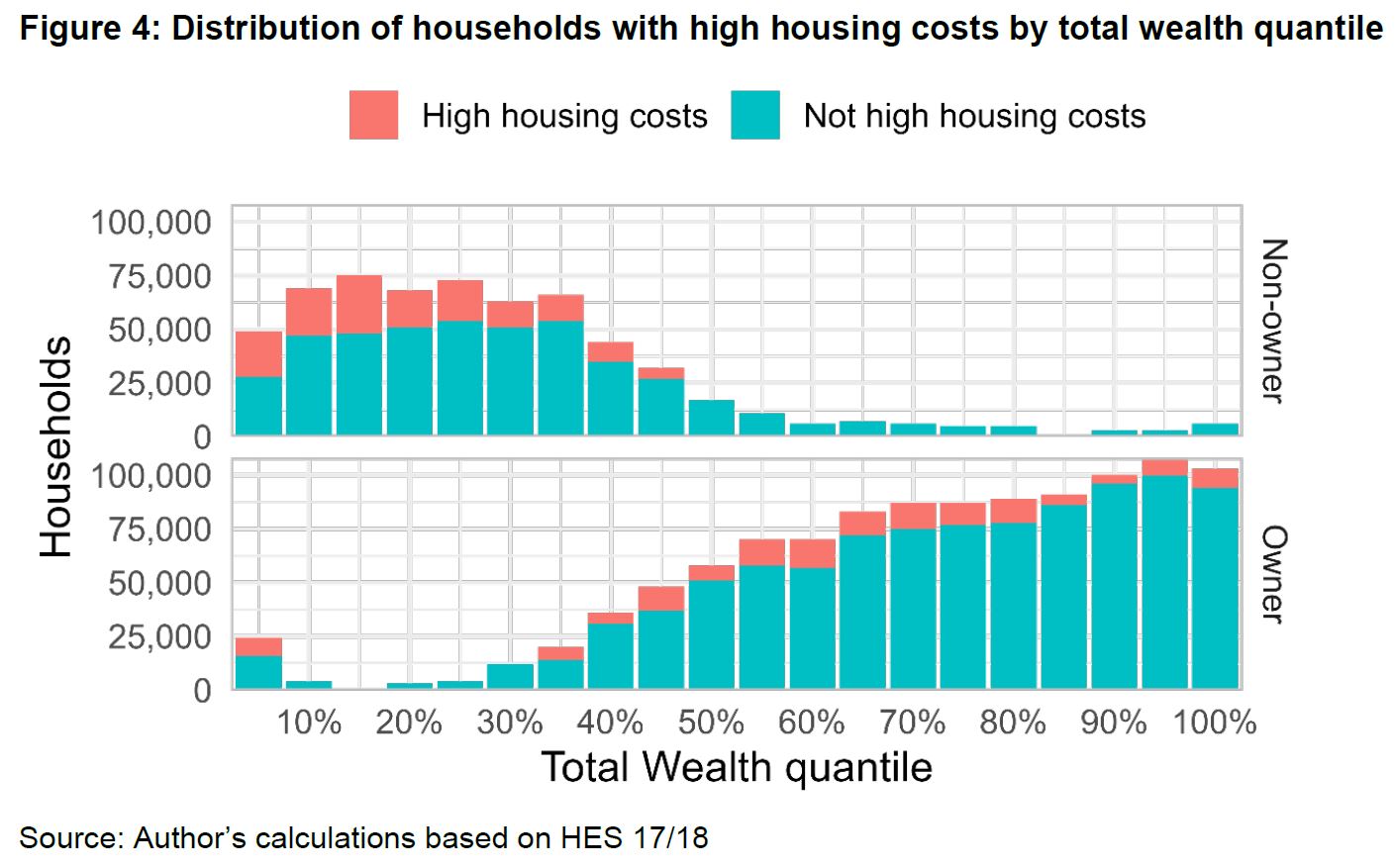
Furthermore, non-owners are almost twice as likely as owners to have high housing costs.
The analyst concluded that recognising these factors is “relevant to any discussion on how increasing house prices may be making it harder for non-owners to get onto the first rung of the wealth ladder in New Zealand”.
Limitations
An important caveat is that this research used 2018 data, as this is the latest Household Economic Survey data available.
So, it isn’t yet possible to directly measure the impact of recent rampant house price inflation.
The analyst said, “This Insight thus takes a “scenario” approach - where the effect of scenarios for house price growth on the 2018 wealth distribution and, in turn, wealth inequality, is modelled while holding all else constant.
“Note that this is a highly stylised exercise and changes in the return to other assets (such as financial assets) will also have an important effect on inequality. It is thus useful to consider the findings of this work alongside other relevant research…”
We welcome your comments below. If you are not already registered, please register to comment
Remember we welcome robust, respectful and insightful debate. We don't welcome abusive or defamatory comments and will de-register those repeatedly making such comments. Our current comment policy is here.