
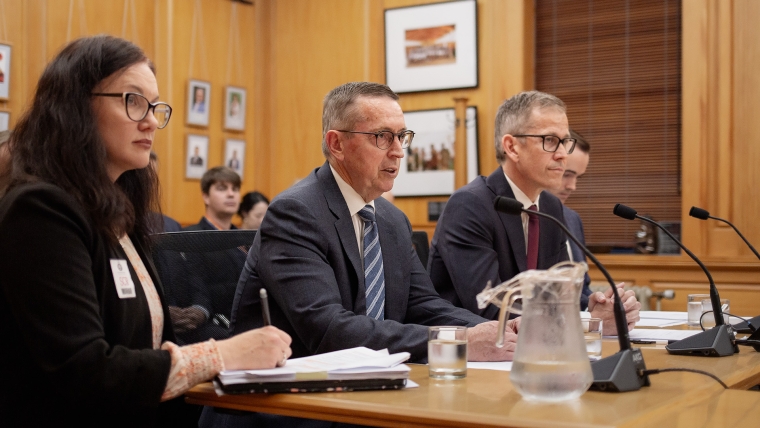
Former Reserve Bank Governor Adrian Orr quit his role in February after a dispute with the board of directors over its five-year funding plan negotiated with the Government.
This contradicts comments made by Chairman Neil Quigley who previously told the media the Governor had resigned due to a personal decision and was not motivated by any policy disagreements.
Interest.co.nz reached Quigley by phone Wednesday morning and he confirmed it was the funding disagreement which resulted in Orr’s resignation.
When asked why that wasn’t disclosed at the time, he answered: “there's a question.”
He went on to say he did not feel the public needed to know that the disagreement over funding had caused the resignation, and his comments were accurate.
“The things that I said at the time were true, it was a personal decision for him to resign”.
When asked whether withholding the motivation met the RBNZ’s commitment to transparency, he said: “I’m not interested in having you question me like you’re a lawyer.”
“It is never great when someone resigns … it’s just one of those things you have to handle.”
A summary of events, released under the Official Information Act, said Orr formed a view on the Five-year Funding Agreement which was being negotiated by RBNZ staff and Board members with the Treasury.
It became clear, at a meeting on February 27, that the rest of the board was willing to agree to a “considerably lesser amount” than Orr thought was “the minimum necessary”.
“This caused distress to Mr Orr and the impasse risked damaging necessary working relationships, and led to Mr Orr’s personal decision that he had achieved all he could as Governor of the Reserve Bank and could not continue in that role with sufficiently less funding than he thought was viable for the organisation,” the RBNZ’s summary said.
Quigley and Orr then engaged senior counsel to negotiate an exit agreement which resulted in his immediate departure and a month of special leave.
We welcome your comments below. If you are not already registered, please register to comment
Remember we welcome robust, respectful and insightful debate. We don't welcome abusive or defamatory comments and will de-register those repeatedly making such comments. Our current comment policy is here.