
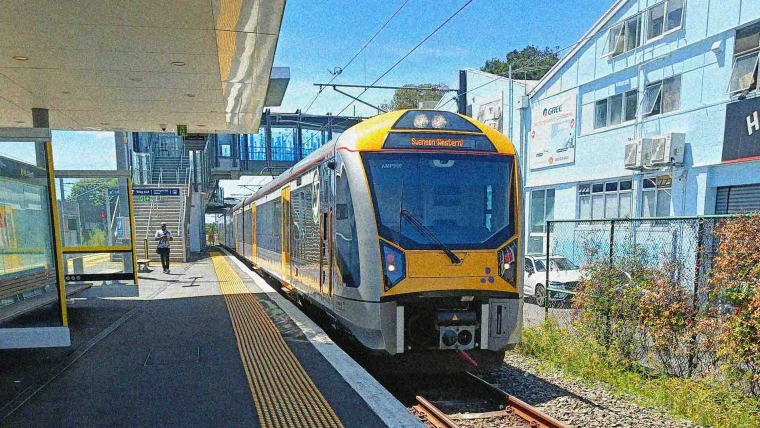
With conflict in the Middle East creating massive global oil supply disruption, the Green Party is calling for National Party support to pass a fossil fuel crisis relief package including free public transport and a windfall profits tax to prevent corporations from price gouging.
The Green Party’s proposed package also includes a relief payment for low income people or people who live rurally to help meet extra transport costs, reversing changes to school bus eligibility and routes, plus a temporary expansion of eligibility for school buses.
The party said free public transport for three months would cost approximately $143.5 million.
The Green Party also wants a reversal of the Government’s intended reduction in Total Mobility Support for disabled people and an increase in mileage rates for care and support workers to meet their travel costs.
On Monday, the Greens said it would be offering its votes to the National Party to pass this “sensible and urgent” package - and with their combined votes, no other political party’s support is necessary.
Officials are already looking into targeted support through the tax and transfer system, with Prime Minister Christopher Luxon and Finance Minister Nicola Willis giving an update last Thursday on the economic impacts due to conflict in the Middle East.
Luxon said things could get worse before they actually get better. “Hope is not a plan.”
Willis said they were looking at not only a conflict that could be prolonged, but also supply chain impacts felt beyond the end of the conflict.
A potential temporary and targeted measure is being worked on by the Inland Revenue Department and Treasury. There was also consultation with the fuel industry led by Willis, and the domestic response via the National Fuel Plan, which was developed mid-2024.
“We agree with the Prime Minister that hope is not a plan," Green Party co-leader Chlöe Swarbrick said.
“That's why the Green Party is presenting our plan to support our country through the fossil fuel crisis, targeting support to those who need it most, and reducing demand for petrol.”
New Zealanders expect politicians to do everything they can to support people through this crisis and to minimise future vulnerability “by reducing fossil fuel dependence”, Swarbrick said.
The Green Party has written to Luxon and Willis, offering their votes to make “these obvious solutions a reality, urgently”, she said.
“Free public transport is a no-brainer. We remove the barriers to access, reduce congestion, and free up fuel supply for those who don’t have a public transport option.”
Swarbrick also said it was the time to “pull the plug on exorbitantly expensive, low-value projects like the Roads of National Significance and the planned LNG (liquefied natural gas) import facility”.
Green Party co-leader Marama Davidson said the party’s relief payment proposal would be targeted at adults earning under the median income and people living rurally where public transport isn’t available.
"The fossil fuel crisis relief payment will put money in the pockets of those being squeezed the hardest and those with few other transport options, easing stretched household budgets right now."
And as for the Greens’ proposed windfall tax, Davidson said petrol companies should not be unreasonably profiting from this or any economic crisis.
"A windfall tax would mean any exorbitant profits are redirected to our communities,” she said.
Treasury describes a windfall tax as a temporary or one-off tax on unexpected gains earned by a select of group of businesses due to factors outside of their control.
Germany is considering a windfall tax. The rising fuel prices has led Germany to consider a fuel price cap, discounts or a windfall tax but they must be weighed against cost and benefits, Germany's Economic Affairs and Energy Minister Katherina Reiche said in a DW report.
Davidson said: "We need to ensure that corporations aren’t profiting while people in our communities who are struggling or have no alternative transport options pay the price."
"The Green's package will provide immediate help for those who need it, reduce demand for petrol, and keep a check on corporate greed.”
We welcome your comments below. If you are not already registered, please register to comment
Remember we welcome robust, respectful and insightful debate. We don't welcome abusive or defamatory comments and will de-register those repeatedly making such comments. Our current comment policy is here.