
Reporting by Anna Whyte, Mandy Te and Ella Somers
A volatile election has left a major question mark over who will lead the country. But while the wait begins, preliminary results have made it clear the Opportunity Party will be in Parliament and some key National faces will not.
Election 2026 delivered a marginal win for the right bloc on election night, but National leader Christopher Luxon acknowledges it’s still too close to call with the final result not set to be clear until special votes are released on November 27.
The numbers:
Projected blocs (66 needed) for a 131 seat Parliament (11 seat overhang)
The right bloc seats:
National 42 + ACT 13 + NZ First 12 = 67
The left bloc (with Opportunity and the Greens as Labour's preferred partners):
Labour 36 + Greens 16 + Opportunity 7 + TPM 5 = 64
The parties:
National Party 29.21% 42 electorate seats, 0 list seats (42 total)
Labour Party 29.36% 21 electorate seats, 15 list seats (36 total)
Green Party 13.30% 2 electorate seats, 14 list seats (16 total)
ACT New Zealand 10.92% 1 electorate seats, 12 list seats (13 total)
New Zealand First Party 9.78% 12 list seats (12 total)
Opportunity Party 5.96% - 6 list seats (6 total)
Te Pāti Māori 0.57% 5 electorate seats (5 total)
Where do the numbers leave us?
We won't know for sure until November 27, but it's close. Currently the right bloc have 67 seats, that's enough (even with the massive overhang) to take power. The left with Opportunity have 64, which is close, as generally the special votes deliver a one or two seat boost for the left.
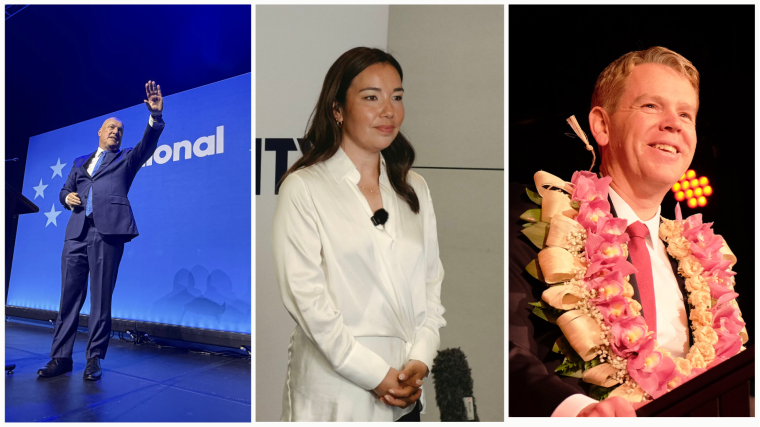
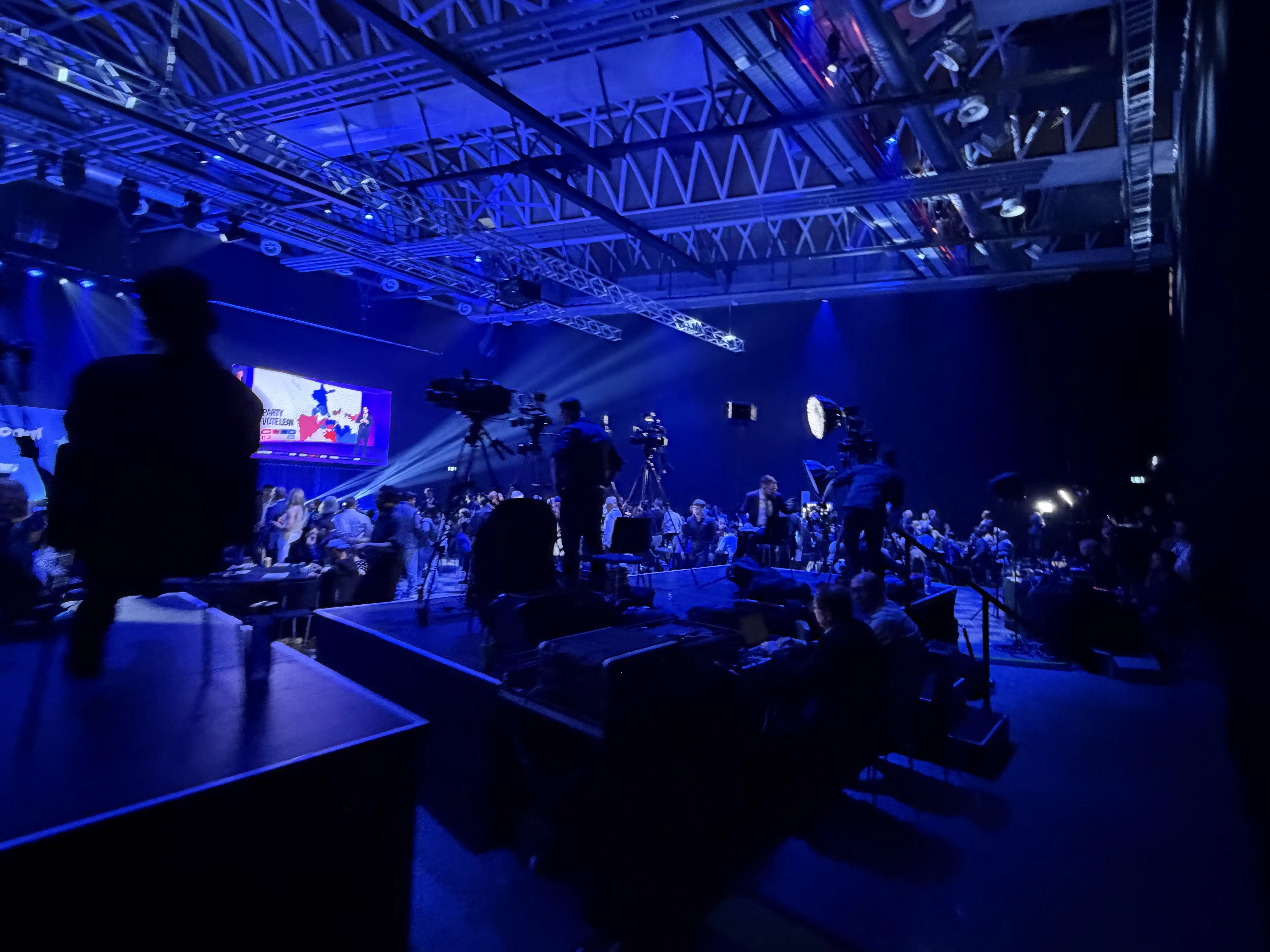
Even the leaders were hesitant to claim victory. Luxon said in his speech, "tonight New Zealand has voted, and it looks like certainly an MMP special".
"And on tonight's result, it appears National has a path to form government. But it is too close to call."
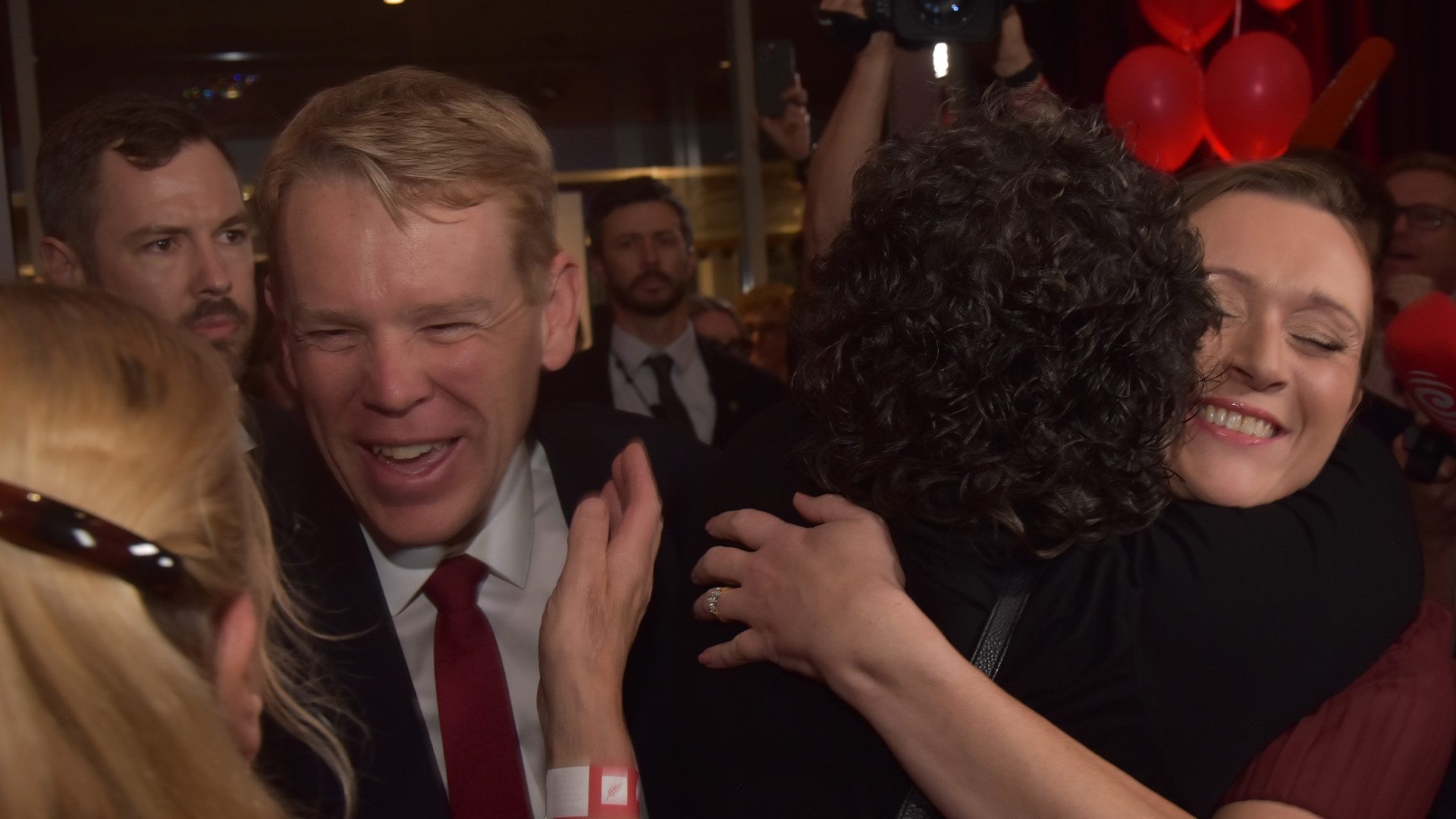
And over to Labour leader Chris Hipkins - “As things stand tonight, it’s clear that we’re not going to know the exact shape of our next government for a little while longer yet but there are some things that are clear from tonight’s results. Our next Parliament is going to require all of us to compromise, to work together and to find common ground.”
“Tonight, New Zealand has spoken. It may take us a little bit longer to figure out exactly what it is that you said. Every vote matters and every vote must now be counted," said Hipkins.
Either way, Opportunity leader Qiulae Wong confirmed she has “both the Chrises' numbers” and the party will be reaching out.
The Electoral Commission estimates the number of special votes is approximately 399,365 - approximately 14%.
The overhang
Parliament has 120 seats, but this election has delivered a staggering 11 extra overhang seats. The overhang is when additional seats are added to Parliament's 120 to accommodate extra MPs due to the difference between electorate and party vote results.
Those seats come from Te Pāti Māori which only received 0.57% of the vote, but were successful in winning five Māori electorate seats. They bring in one new MP, Aperahama Edwards who won Te Tai Tokerau.
The other overhang seats come from National, which only pulled in 29% of the party vote but won 42 electorates. That meant National brought in no list MPs, so the likes of Nicola Willis, Paul Goldsmith and Gerry Brownlee will not be returning to Parliament. Chris Bishop is also behind by almost 900 votes in Hutt South, meaning he would also not be returning.
The overhang, vote-splitting and the dividing election strategy; what does it mean?
Opportunity knocks
Opportunity pulled in almost 6%, with predictions leaning towards more votes being received from the special votes.
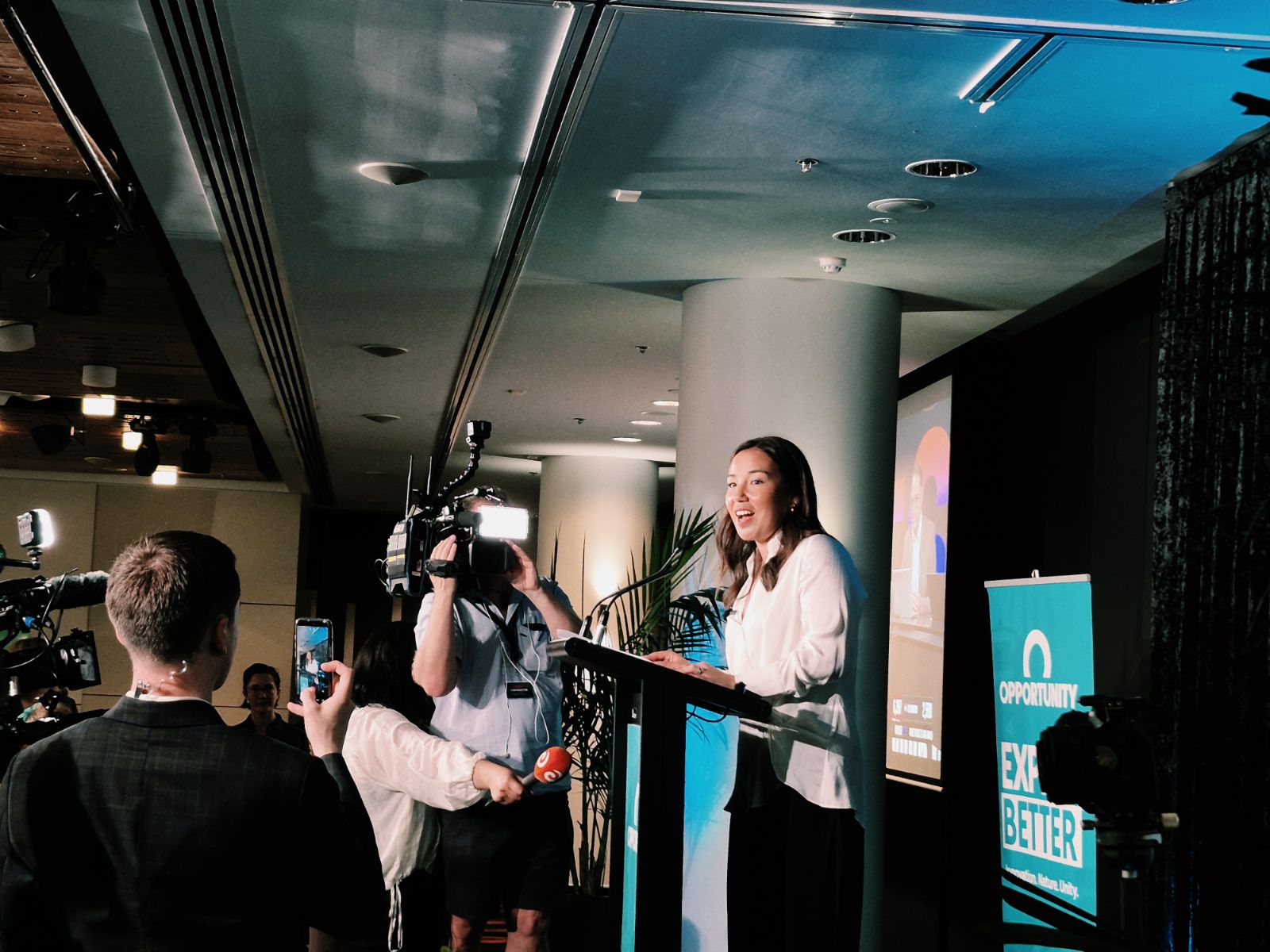
“It is absolutely surreal to feel like we are actually in this position," Wong said.
"We have made history and we've made this happen,” she said.
Interesting seats
Banks Peninsula - back to Labour
Mount Roskill - back to Labour (meaning former Cabinet Minister Michael Wood is back and National MP Carlos Cheung is out)
Nelson - back to National (Labour's Rachel Boyack is out of Parliament)
Te Tai Tonga - from Te Pāti Māori to Labour (meaning Tākuta Ferris is out of Parliament)
Hamilton East, a bellwether seat, was on a knife edge for a large portion of the night, flipping between National and Labour. It ended up with National's Ryan Hamilton with a relatively comfortable 450 vote lead.
Hutt South, another seat that was flipping between Labour and National. It ended up with Labour's Ginny Andersen ahead by almost 900 votes over Chris Bishop.
Wairarapa, only 139 seats between National incumbent Mike Butterick and Labour's Kieran McAnulty.
Wellington Bays, another close one, with Labour's Craig Renney pipping incumbent Green MP Julie Anne Genter by 140 votes.
What now
Expect a bit of hermit-ing from politicians for the next three weeks. From there, it will be all go with negotiations which could creep very close to, or run past, Christmas.
Your interest.co.nz team however will still be on the job, reporting from Parliament as the new MPs are inducted this coming week and the new caucuses meet for the first time.
And as Parliament figures out how it will fit 11 extra MPs into the debating chamber.
___________________________________________________________
We welcome your comments below. If you are not already registered, please register to comment
Remember we welcome robust, respectful and insightful debate. We don't welcome abusive or defamatory comments and will de-register those repeatedly making such comments. Our current comment policy is here.