
“If we were really just economically driven here we would just go out and plant a big square of trees on the farm, but it's not about that, right?"
This week farmer Emma Crutchley shares her thoughts on some key areas around environment policy and in particular the importance of sequestration recognition.
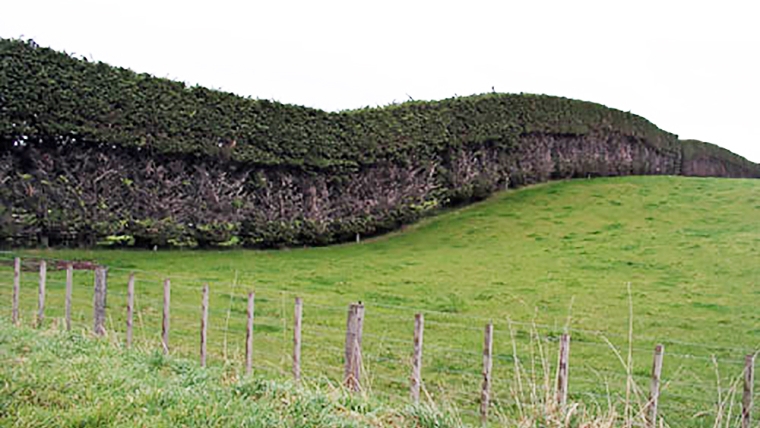
Crutchley says that the Climate Change Commission has not grasped how complex the situation is on the ground. “There's no way that all our tree lanes are going to come anywhere near close to helping us offset our on-farm emissions, that's just not possible.” But she says what you need to be able to do is look out the window and look at a tree lane for example and know that those trees which are sequestrating carbon are being counted.
She has been involved in setting up a large catchment project in the past three or four years. “Over 90,000 plants have been planted and they're all tussocks and grasses, and of course their sequestration values are not included currently, but it does allow the catchment group to bring in some of the woody vegetation around the edges, and then you have got something that actually counts."
“And if that is not there and it doesn't count, then that catchment group actually can’t incentivise those plantings because me as a farmer is going to turn around and say, I don't want to spend money on it, sorry, because I need to plant my pine trees in a big massive square so it can be viable for what I'm trying to do as a farmer. The biggest incentive we have is the fact that carbon farming is worth $86 a ton at the moment, and that completely blows out of water sheep and beef farming, right? So at least if you can start looking at these nature based solutions that fit within HWEN, I mean they're not perfect but they still will work and you've actually got something to work with that doesn’t incentivise you to think of forestry. So I think although they're well meaning (Climate Change Commission) with what they're trying to do I don't think they're quite grasping how these extensive sheep and beef properties actually work.”
She said the ETS works really well in its current form if you're an international company that needs to offsetyour fossil fuel emissions. But for agriculture it's well discussed and documented that it's a direct tax on food production which takes away the tools in the toolbox that incentivise the right practice change.
HWEN is quite a major achievement, unprecendented in bringing together many organisations all of which have made concessions in order to formulate a plan that is fair and workable. The list of organisations include Apiculture NZ, Beef + Lamb New Zealand, DairyNZ, The Dairy Companies Association of New Zealand, Deer Industry NZ, Federation of Māori Authorities, Federated Farmers of New Zealand, Foundation for Arable Research, Horticulture NZ, Irrigation NZ, Meat Industry Association, Ministry for Primary Industries, and Ministry for the Environment. So why would the Climate Change Commission go against this broad group's recommendations in it’s entirety – especially when they appear to not fully understand the lay of the land.
Farmers are not trying to dodge any responsibilities, but they should be able to look outside and know all the trees and vegetation on their property that are sequestering carbon, no matter the individual size of the area, is being recognised. That is fair and equitable.
Listen to the podcast to hear the full story
P2 Steer
Select chart tabs
Angus Kebbell is the Producer at Tailwind Media. You can contact him here.
We welcome your comments below. If you are not already registered, please register to comment
Remember we welcome robust, respectful and insightful debate. We don't welcome abusive or defamatory comments and will de-register those repeatedly making such comments. Our current comment policy is here.