
By Tony Chaston

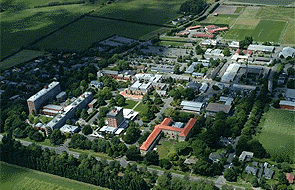
Structural changes have recently been proposed internally at Lincoln University aimed at specialising the organisation's 'land' brand and improving the efficiency and effective use of resources to achieve a better financial performance.
Most staff support this goal but there is a dispute between faculties over how this should be achieved.
The issues seem to be between the generic commerce programmes and the rest who are firmly aligned with the land based brand.
Generic commerce courses aimed mainly at overseas students have had falling enrolments since their peak in 2005 and this year new enrolments - despite a big promotion budget - have fallen to just 52.
Enrolments in the land based programmes over that same period - agricultural degrees and diplomas - have increased by 36% and show there is a strong demand for specialist graduates to grow agriculture in our economy.
Class sizes for these programmes have also grown and farm, horticulture and agribusiness management courses now have some of the largest numbers in the University.
While more students per lecturer will create efficiency, the teaching of these courses in an integrated way with case studies, field trips, and field tours does provide learning and logistical challenges when you have larger groups.
This way of teaching is unique to Lincoln and keeps its education direction in touch with real life agriculture and makes it’s new graduates ready and primed as they enter the work force.
The educational partnership with the rural community gets Lincoln industry respect. Changes away from this style would be a backward step.
This style is also more expensive to fund than the traditional 'class room' programmes and for years the university's academics, management and council members have been lobbying the appropriate Education bureaucrats to recognise the importance of this system though increased funding.
The main issue in the change proposal is that despite the Agricultural Management Group being aligned with the brand and providing the bulk of the students and class sizes the recommendations propose a 25% cut in staff while staff changes in the generic commerce groups see little change.
Conflicts have arisen between the two groups in areas of name change, calculations as to staff required, the use of contractors for key courses and to the future of diploma courses within the campus.
It is proposed the Diploma of Horticulture only be offered off-campus (despite being very profitable and resource efficient) and concerns are being expressed about the future of the Diploma of Agriculture being taught at Lincoln.
There has always been a degree of snobbery associated with running the diploma courses by some university academics but history has proven the value of these courses to agriculture and many of today's agricultural leaders have graduated in diploma courses.
Council members need to insist management follow the primacy of the unique land-based education focus, and resist the pressure from the generic commerce faculty to protect its non-unique patch.
We welcome your comments below. If you are not already registered, please register to comment
Remember we welcome robust, respectful and insightful debate. We don't welcome abusive or defamatory comments and will de-register those repeatedly making such comments. Our current comment policy is here.