
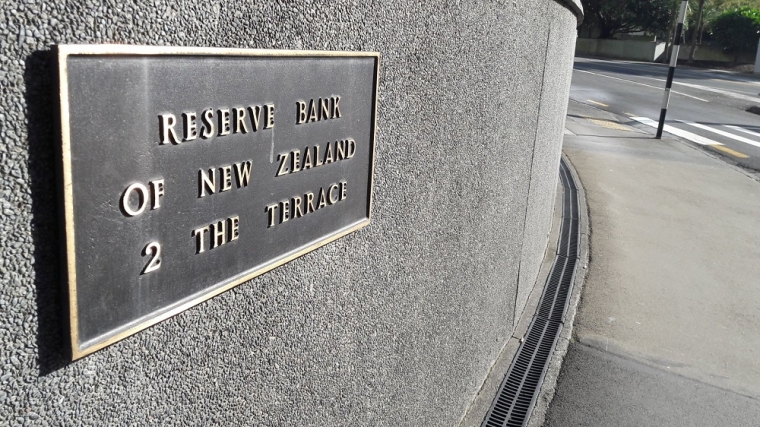
The RBNZ has published this Statement.
New Zealand’s financial system remains sound, with strong capital and liquidity buffers.
Assistant Governor Christian Hawkesby said the Reserve Bank is actively involved in financial markets to ensure smooth market functioning despite the global uncertainty from COVID-19. Regular market operations continue to ensure there is ample liquidity in the financial system.
“The measures we are implementing today provide additional support to domestic financial markets. We will ensure our operations make financial markets operate smoothly,” Mr Hawkesby said.
"We are working in tandem with the banks, the wider financial market community, and the Government."
The provision of term funding
The Term Auction Facility (TAF) is a program that will alleviate pressures in funding markets. The TAF gives banks the ability to access term funding, with collateralised loans available out to a term of 12 months.
Banks currently have robust liquidity and funding positions and can manage short-term disruptions to offshore funding markets. The opening of the TAF will provide confidence that the Reserve Bank stands ready to support the market if needed. Further operation details on the TAF are available in a Domestic Markets media release.
Providing funding in FX swap markets
The Reserve Bank is providing liquidity in the FX swap market, to ensure this form of funding can be accessed at rates near the Official Cash Rate (OCR). This activity will increase in the weeks ahead to support funding markets.
Re-establishment of a USD swap line
The Reserve Bank has re-established a temporary USD swap line with the US Federal Reserve. This will support the provision of USD liquidity to the New Zealand market, in an amount up to USD 30 billion. This is a facility that is being offered to many other central banks globally.
Supporting liquidity in the New Zealand government bond market
The Reserve Bank has been providing liquidity to the New Zealand government bond market to support market functioning.
Ensuring a robust monetary policy implementation framework
To support the implementation of monetary policy, the Reserve Bank is removing the allocated credit tiers for Exchange Settlement Account System (ESAS) account holders. This change means that all ESAS credit balances will now be remunerated at the OCR. Under the previous framework, banks were charged a penalty rate on deposits of cash balances above their allocated credit tiers.
The removal of credit tiers for ESAS account holders will provide additional flexibility for the Reserve Bank in its market operations, by keeping short-term interest rates anchored near the OCR regardless of the level of settlement cash in the system. This framework for monetary policy implementation (i.e. a floor system) is common among other central banks overseas.
The Reserve Bank will continue to monitor the use of our liquidity facilities and ESAS settlement accounts. We anticipate that liquidity will continue to be distributed efficiently throughout the banking system. If not, we will review our framework for monetary policy implementation as needed.
A commitment to market functioning
The Reserve Bank has a number of tools to provide additional liquidity and the ability to increase the size of operations where needed. We are committed to using these to support smooth market functioning.
In addition to the tools listed above, the Bank has an established role to provide liquidity in the New Zealand dollar foreign exchange market in periods of illiquidity or dysfunction, and is operationally ready to undertake this role if required.
Mr Hawkesby reiterated that the Reserve Bank continues to monitor developments, and remains ready to act further to ensure markets and the financial system operate in a stable and efficient manner.
More information:
- Domestic Markets media release: Reserve Bank announces new facility and removal of credit tiers
- Federal Reserve announces the establishment of temporary U.S. dollar liquidity arrangements with other central banks
Below are comments from Westpac NZ chief economist Dominick Stephens on the RBNZ's action.
The Reserve Bank has announced a range of measures to support stressed financial markets. These measures were necessary, and we applaud the RBNZ’s proactivity. These actions will help keep short-term interest rates low. However, the RBNZ needs to do more to prevent long-term interest rates from rising unhelpfully.
- A Term Auction Facility. The RBNZ will lend to banks for up to 12 months, taking Government bonds, residential mortgage-backed securities, and other bonds as collateral. This basically ensures banks will be well-funded for the foreseeable future. This will prevent an increase in the cost of bank funding, which in turn will help ensure that short-term interest rates for businesses and households remain low.
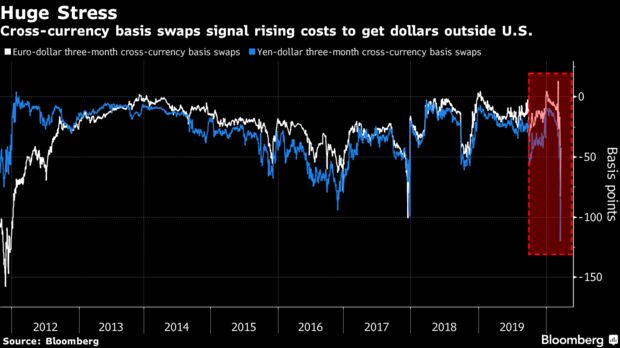
- FX swap market funding. Banks sometimes borrow money from offshore and swap the debt back to New Zealand dollars. In recent days the cost of performing this swap has exploded. Left unchecked, this could have caused an increase in the cost of funding New Zealand banks, which in turn could have led to higher interest rates in New Zealand. The RBNZ has essentially offered to facilitate some of those swap arrangements, which will keep the cost of overseas funding contained.
- The US Federal Reserve and the Reserve Bank of New Zealand have established a $30bn US dollar swap line. This will enable the Reserve Bank of New Zealand to borrow US dollars if it needs.
- Providing liquidity in NZ Government bond markets. As we noted yesterday, the interest rate on New Zealand Government bonds has shot higher because bond market liquidity has dried up. Yesterday the NZ Government borrowed at 2.6% for 17 years, whereas last week the interest rate would have been 1.3%. The RBNZ is now actively buying NZ Government Bonds on the open market, in an effort to provide liquidity. However, the amount of liquidity provided seems tiny so far, and has had little effect on longer-term Government bond rates.
- The RBNZ is now paying the OCR on all cash balances banks hold at the RBNZ (previously, banks were paid a lower rate if they held large balances). This will give the RBNZ greater control over short-term interest rates, keeping them closer to the OCR.
Yesterday we predicted that the RBNZ would have to take actions similar to these to calm stressed financial markets and reduce the cost of bank funding. The ultimate aim of these actions is to prevent New Zealand interest rates from rising in an unintended way, because higher interest rates would worsen the economic downturn.
Today’s actions are likely to be effective at keeping short-term interest rates down, and will allow banks to continue lending smoothly.
However, so far the RBNZ has announced little that will effectively reduce long-term interest rates. In the wake of the RBNZ’s announcement, long-term Government bond rates have fallen only 10 basis points or so.
We suspect the RBNZ is going to have to begin a Quantitative Easing program very soon, similar to the Reserve Bank of Australia’s move yesterday. This would involve buying large quantities of Government bonds, which would reduce long-term Government bond rates.
The other way to keep longer-term Government bond markets calm is for the New Zealand Government to ensure that any future stimulus measures are temporary. Markets need to be assured that the Government has a plausible path to repaying the large debt it is going to incur as it cushions the economy through the Covid-19 recession.
We welcome your comments below. If you are not already registered, please register to comment
Remember we welcome robust, respectful and insightful debate. We don't welcome abusive or defamatory comments and will de-register those repeatedly making such comments. Our current comment policy is here.