
By Roger J Kerr

There are two major issues the RBNZ must address in their upcoming 10 March monetary policy statement:-
Firstly, what is the current GDP growth rate of the NZ economy and how will that sustain through 2016 and 2017? Secondly, what do those growth rates mean for inflation across the NZ economy?
There is no question that the economy bounced back very strongly over the second half of 2015 following the temporary loss of confidence and dip in activity levels when dairy prices plummeted mid-year.
The RBNZ slashed interest rates in response to the dairy situation in June/July expecting that the whole economy would turn down in response.
They were wrong.
Every industry sector outside dairy has experienced robust trading conditions over the last eight months, resulting in annualised GDP growth returning to above 3.00%.
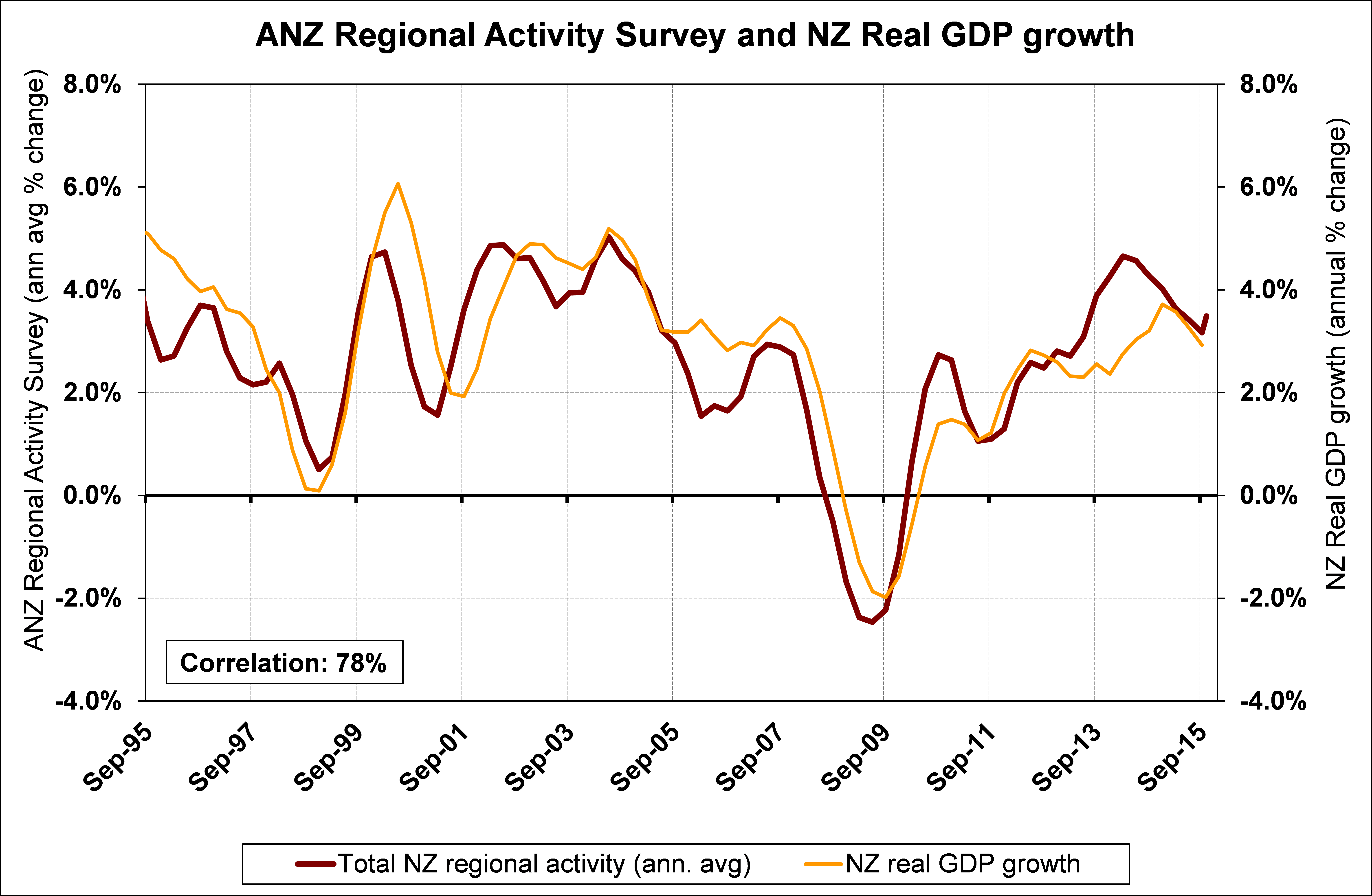
We will not get the official GDP growth numbers for the December 2015 quarter until 17 March, however judging by the ANZ Regional Trends survey results that was released last Friday, it appears that the economy expanded by over 1.00% over that quarter. Annualised (as the Americans like to do) that is 4.00% growth.
The historical correlation between actual GDP growth and the ANZ Regional Trends survey has been very close over the years. The Regional Trends survey increased by 1.8% in the December quarter, the largest quarterly increase in 12 years.
The expansion was broad-based across the country and the logical conclusion is that we will start to see pressure points in the economy this year that can only lead to price increases.
Anecdotal evidence from retailers is that price increases for imported consumer goods due to the currency depreciation over the last 12 months are now occurring, some as much as 10% in quantum.
The plunge in oil and other commodity prices in the last year have overshadowed and disguised building inflationary conditions elsewhere in the economy.
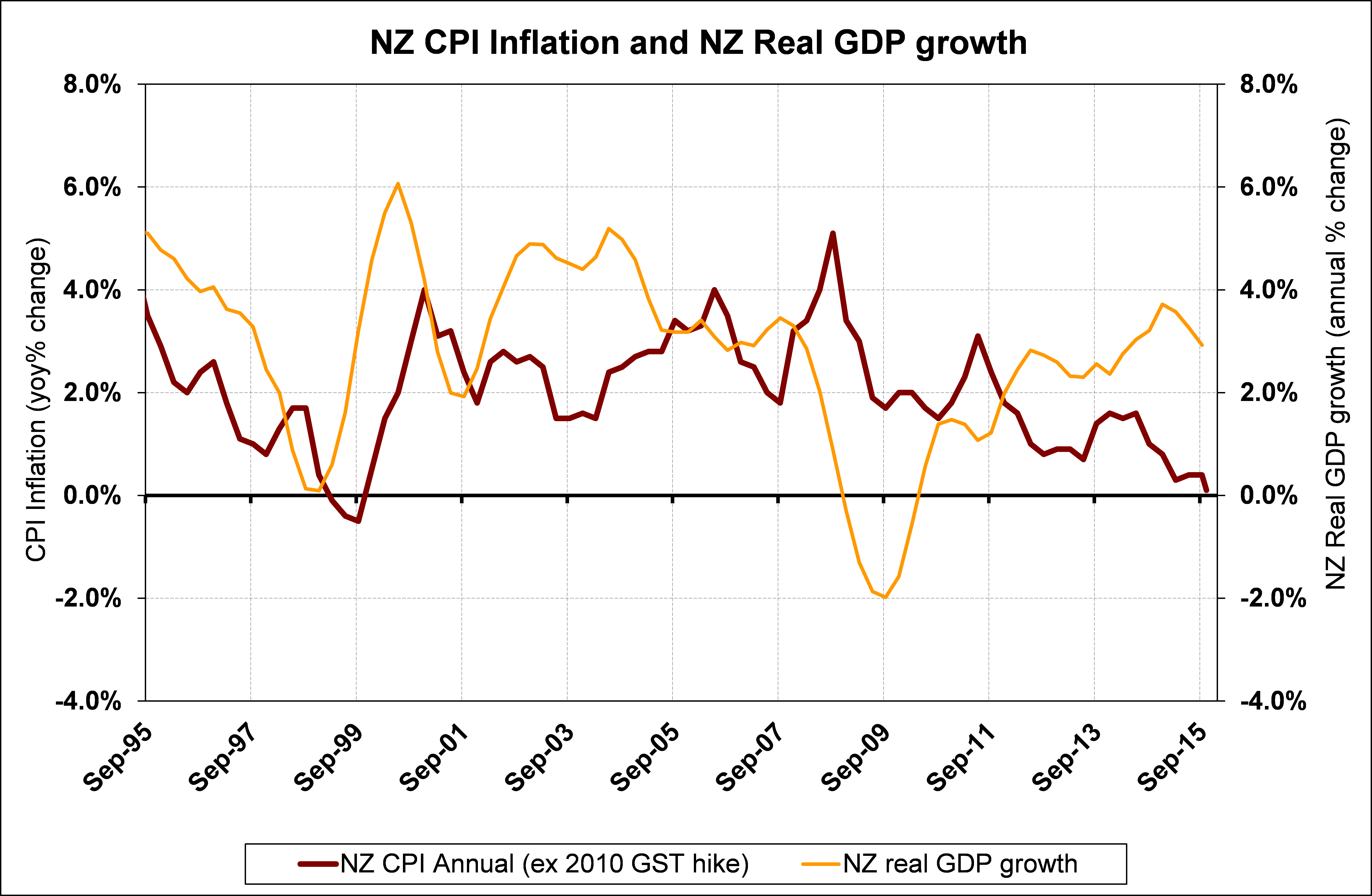
On the premise that oil and global commodity prices continue to bump along the bottom over the balance of 2016, the forces keeping our annual inflation rate below 1.00% to date will no longer be present.
The correlation between GDP growth and annual inflation may have broken down over recent years, however there is no denying the long-term relationship.
The US economy is now experiencing annual price increase at 1.70% reflecting their economic recovery and stronger employment environment.
There is nothing to suggest that the NZ economy has caught the Japanese/European deflation disease, we are more like the US.
To subscribe to our daily Currency Rate Sheet email, enter your email address here.
Daily swap rates
Select chart tabs
Roger J Kerr is a partner at PwC. He specialises in fixed interest securities and is a commentator on economics and markets. More commentary and useful information on fixed interest investing can be found at rogeradvice.com
We welcome your comments below. If you are not already registered, please register to comment
Remember we welcome robust, respectful and insightful debate. We don't welcome abusive or defamatory comments and will de-register those repeatedly making such comments. Our current comment policy is here.