
The Government is tweaking the eligibility criteria for the extended wage subsidy so more businesses qualify.
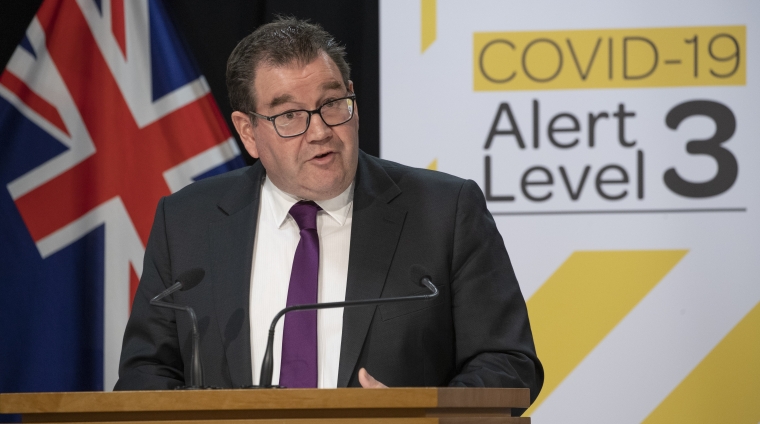
Under new rules announced by Finance Minister Grant Robertson on Friday, businesses could be eligible for an eight-week extension to the 12-week wage subsidy if they’ve suffered a 40% revenue loss. Previously, the threshold for the extended subsidy was 50%.
The window of time in which businesses need to have suffered this loss has also been changed. They now need to have suffered a 40% loss in a 30-day period in the 40 days prior to applying (previously it was 30 days), versus the comparable period last year. This window must begin after May 10 (the extended subsidy is available from June 10).
The Government expects the changes to mean an additional 40,000 businesses will be eligible for the extended wage subsidy.
It expects the cost to taxpayers to increase to between $2.6 billion and $3.9 billion. The top estimate under the previous extended wage subsidy criteria was $3.2 billion.
The wage subsidy has paid out $11 billion to date, covering 1.66 million jobs.
Separately, the Government has announced it’s extending the deadline for Small Business Cashflow Loan Scheme applications from July 12 to July 24.
The Inland Revenue has distributed more than $1.18 billion of unsecured loans to 70,000 small businesses under this scheme to date.
Here’s a press release from the Government:
The Government is today announcing further support for businesses that continue to be affected by the global COVID-19 pandemic, as the broader economy becomes one of the most open in the world following the success of New Zealand’s public health efforts.
A change in criteria for the extended wage subsidy scheme means an extra 40,000 businesses will be eligible. After feedback from businesses, the Government has taken the decision to change the required revenue drop threshold from 50% to 40%. Up to 230,000 businesses are now forecast be eligible for the new 8-week scheme from 10 June, covering up to 910,000 workers.
Small businesses are also being given more time to apply for the Small Business Cashflow Loan Scheme, with the application date being extended from 12 June to 24 July.
Finance Minister Grant Robertson said the changes show the Government is working with the business community to put considerable support in place to protect jobs and incomes during the 1-in-100 year global economic shock caused by COVID-19.
“We moved quickly to put the wage subsidy in place to cushion the blow. We’ve also shown we will move quickly to make changes so support is targeted to where it is needed most, based on feedback from our regular engagement with the business community.
“While many New Zealanders are now back at work and our economy is one of the most open in the world, there are businesses that will feel the impact of this global pandemic for longer. The tourism, retail and hospitality sectors will in particular be supported by the extended wage subsidy and cashflow support.”
Carmel Sepuloni said the wage subsidy was successfully protecting jobs and giving businesses the ability to stay connected to their workers as the economy reopened. The scheme has paid out $10.997 billion to date, covering 1.66 million jobs.
“Nearly two thirds of businesses surveyed said the wage subsidy meant they were better able to use other cashflow for non-staff overheads, like commercial rent. About 89% said the wage subsidy will help them keep operating for the foreseeable future, while only 6% of those surveyed have indicated they are considering redundancies in the next few months.”
Stuart Nash said the extension to the Small Business Cashflow Loan Scheme recognised that many businesses were still planning for the future as the economy opened up more quickly than expected following the success of New Zealand’s public health response.
“The high level of demand we’ve seen for these interest-free loans to date shows we made the right decision to support SMEs with direct lending from the Government, through IRD. Extending the application date will give business owners the confidence that support is available if needed as the economy opens up.”
To date, more than $1.18 billion has been disbursed to more than 70,000 small businesses under the cashflow scheme. The loans are interest-free if repaid within a year. Businesses have five years to pay the loans off, with no repayments required during the first two years.
The changes to the extended wage subsidy scheme mean it is now forecast to provide between $2.6 billion and $3.9 billion of support to businesses to help them with their wage bills, up from a top estimate of $3.2 billion under the old threshold. This will be funded through the COVID Response and Recovery Fund.
The Government has also amended the revenue test under the extended scheme so that the business must have a revenue loss of at least 40% for a 30-day period in the 40 days immediately prior to the application date (but beginning no earlier than 10 May 2020) versus the nearest comparable period last year.
We welcome your comments below. If you are not already registered, please register to comment
Remember we welcome robust, respectful and insightful debate. We don't welcome abusive or defamatory comments and will de-register those repeatedly making such comments. Our current comment policy is here.