

The Reserve Bank (RBNZ) has previously explained its plan for a central bank digital currency (CBDC) is not a short term thing, nor is it a definite yet. It is a "multi-stage exploration until around 2030."
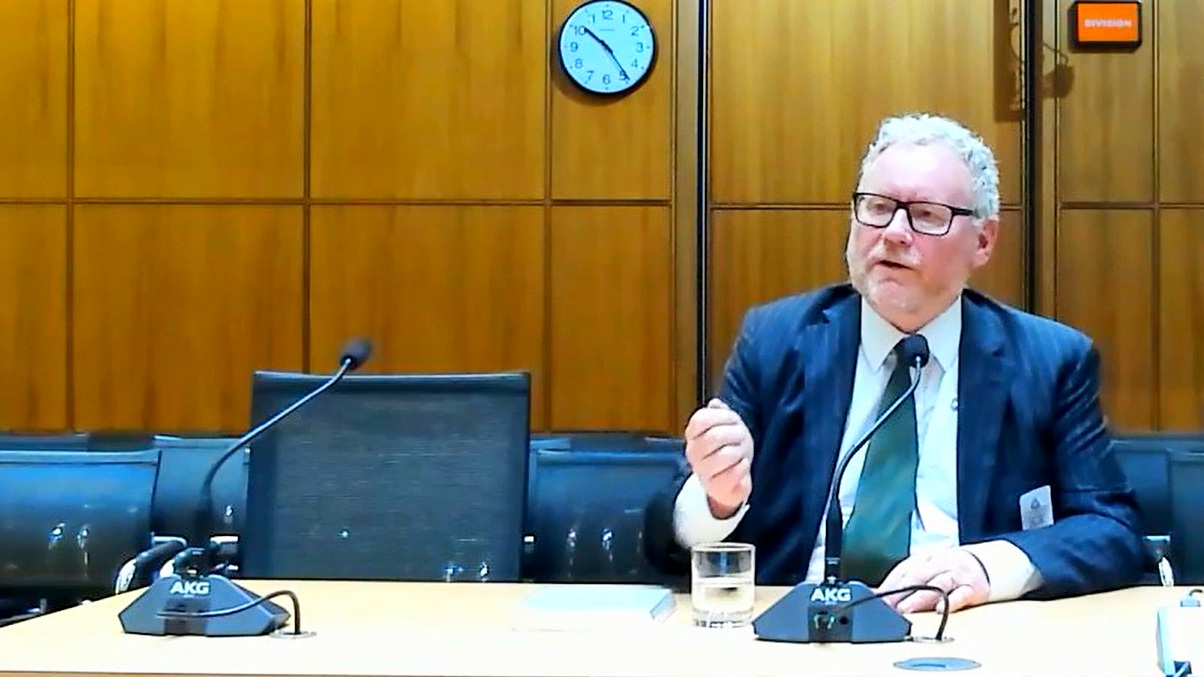
And maybe that could be a conservative timeframe judging by the appearance from RBNZ's Director of Money and Cash Ian Woolford, and Manager of Money and Cash Policy Robbie Taylor, before Parliament's Finance and Expenditure Committee this week.
If a sample of New Zealand's current lawmakers struggle with the idea of a CBDC as much as some appeared to during the RBNZ's appearance before them, then there's a fair chance the NZ public might struggle a bit too.
A CBDC, which the RBNZ's referring to as "digital cash," would be a digital version of NZ's existing fiat money, the NZ dollar, backed by the Government and representing a direct liability on the RBNZ.
The objectives for digital cash, the RBNZ says, would be; to ensure central bank money is available to New Zealanders and allow it to be used digitally, and to enable a money and payments system that is innovative, competitive and contributes to the development of NZ’s digital economy.
Some random remarks from the parliamentary hearing:
"I’m really struggling with conceptualising this."
"It's no more complex or difficult than anything you are currently using."
"I do think this gets quite tricky…"
"This is designed to clarify..."
And then, committee chairman and National MP Stuart Smith, in welcoming a visiting Parliamentary delegation that entered the committee room: "As you might have heard there’s quite a bit of confusion about how this will all play out."
But that's not to say there wasn't enthusiasm for what the RBNZ's proposing, with the idea being styled a "circuit breaker" that could "democratise money."
Consultation underway
The RBNZ is currently running public consultation on its proposals, with submissions due to close on July 26 - but there will be further opportunities for the public to have a say later. The RBNZ has not definitively said it intends to introduce a CBDC.
In launching the consultation process last month, the RBNZ's Woolford said a CBDC would help enable a money and payments system that is innovative, competitive and contributes to the development of New Zealand’s digital economy.
And innovation, was a big part of his presentation to the select committee.
NZ 'lagging'
Woolford noted New Zealand is "lagging" in its core payments systems.
While payments through the banks by individuals might take an hour, for example, the fast payments systems employed overseas are "near instantaneous."
"The New Zealand system is we would say 10-20 years behind other developed countries."
Woolford stressed the aim was not to replace cash, but to give choice and spur innovation in the private sector, "because we are seeing a lack of innovation in payments and product offerings" at the moment.
A CBDC would also pick up on the role of the current physical NZ dollar by acting "as a value anchor".
"The Reserve Bank wouldn’t engage directly with individuals," Woolford said.
"They [the public] would access the digital dollar either via their bank or some other financial institution that isn’t a bank. This will open up service providers offering different products for example.
"Payments could be made a point of sale. You could do it in a peer-to-peer way - outside of the banking system. It will be available offline. And it will be instant.
"The money won’t be programmable, in the sense that the Reserve Bank won’t have any constraints on how the money would be used and the Reserve Bank won’t collect any transaction data or even information about the individuals.
"Our relationship will be with the third party providers, so privacy is an important dimension of what we are talking about here."
Woolford said he understood the concern that people often have about the Government tracking the money.
"That is not the objective of this, with this form of digital cash - and indeed, we would like to see greater protections on the third party use of data than they would have for their own purposes.
"Whether or not you as an individual choose to use a digital form of cash in a sense doesn’t matter. If you benefit because digital cash has acted as a spur to innovation, which we think it will, then you will benefit directly," Woolford said.
He said the progress on open banking "has been glacial".
"So, you are seeing a lack of innovation from the New Zealand banking system - a lack of competition. Central bank digital currency will be competition in and of itself, because people will have choice, you can choose to use your bank or you can choose to use this other product."
Fintech 'going to need to be regulated'
Woolford said in talking about third party providers of the CBDC, "it really is the fintech sector that we are thinking about".
"For that to work they are going to need to be regulated and there’s got to be trust and confidence in them as well," Woolford said.
"That innovation has to come from somewhere. It’s not coming from the banking system. It will eventually but it will take a long time.
"We think that the innovation can come from the fintech sector but people do have to have trust and confidence so there will need to be some form of regulation."
The committee members expressed enthusiasm for having the RBNZ back to report further on its CBDC progress at a later date.
We welcome your comments below. If you are not already registered, please register to comment
Remember we welcome robust, respectful and insightful debate. We don't welcome abusive or defamatory comments and will de-register those repeatedly making such comments. Our current comment policy is here.