

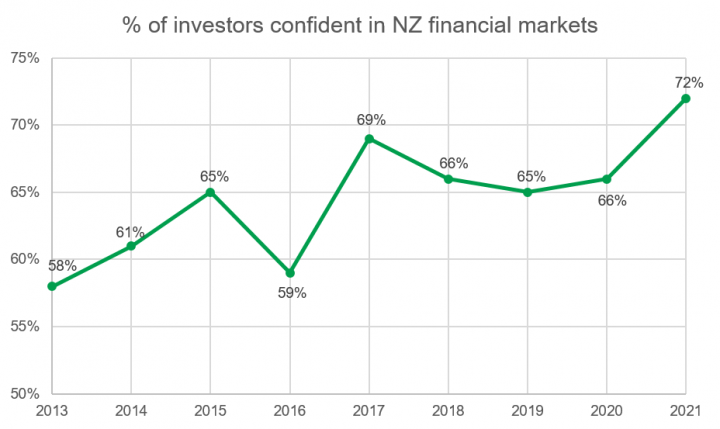
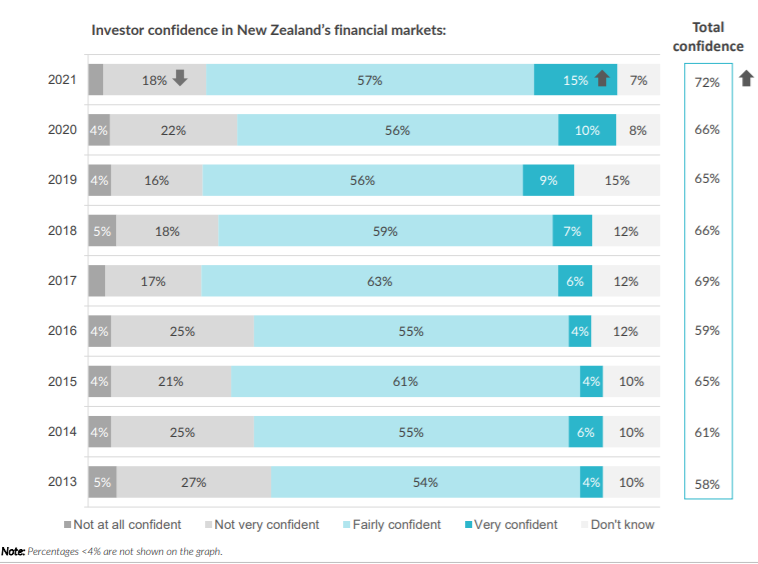
Investor confidence in New Zealand's financial markets is the highest it has been for at least eight years, according to a survey conducted on behalf of financial markets regulator the Financial Markets Authority (FMA).
The FMA's annual investor confidence survey shows 72% of investors are confident in the country’s financial markets. That's up from 66% last year, and is the highest since the survey began in 2013.
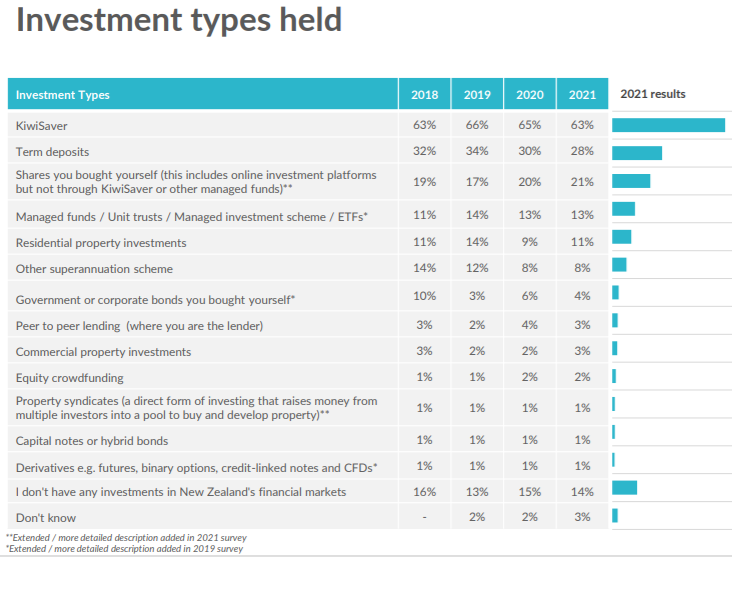
Although the types of investments NZ investors hold hasn’t changed much over recent surveys, over the past three years, the number of people holding term deposits has dropped and the number of people holding shares has increased. This year 28% of investors surveyed hold term deposits, down from 34% three years earlier, and 21% hold shares, up from 17%.
When asked about investment activity over the last 12 months, 23% of respondents indicated they increased or made new investments, up from 17% in 2020. Buying shares online through an online investment platform was the most common activity at 43%. Next most common was managed funds at 26% and investing in residential property at 19%. Meanwhile, 13% purchased cryptocurrencies. It was the first year the survey asked about cryptocurrencies.
The FMA was launched in 2011 by the then National Party led government in place of the discredited Securities Commission. A key purpose of the FMA has been to restore retail investors' confidence after the wholesale collapse of the finance company sector and high profile share market casualties such as Feltex. Additionally Simon Botherway, chairman of the FMA Establishment Board, told interest.co.nz in 2010 a measure of the FMA's success would be greater investment outside property over time.
FMA CEO Rob Everett says it’s encouraging to see investor confidence in the regulation of NZ’s financial markets has remained steady at 67% (versus 68% in 2020) and, almost two thirds of investors continue to acknowledge the usefulness of the investment materials they receive. But he says these are two key measures both the FMA and the financial services sector can always seek to improve.
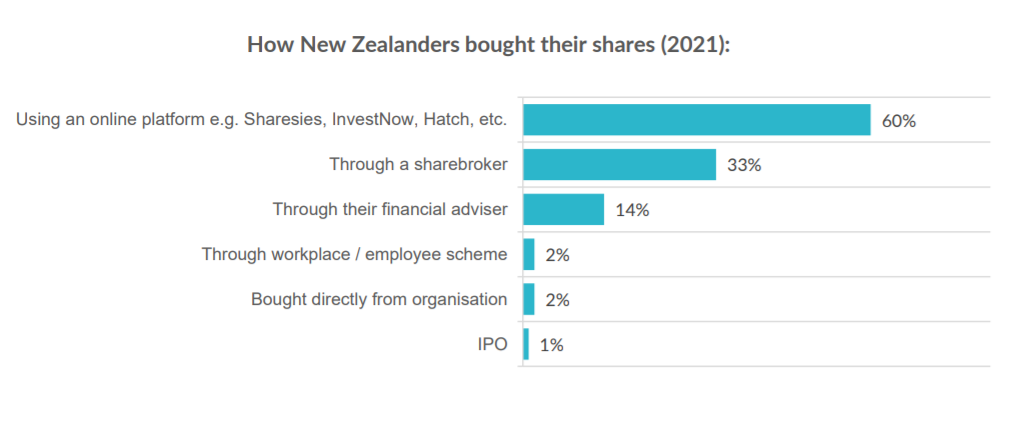
“Term deposits have tended to be the most prevalent investment product outside KiwiSaver, but in this low interest rate environment, with changing behaviours and preferences, individual shares are closing the gap. This aligns closely with the rise of DIY, or fractional, digital share investing over the last few years, with 60% of share investors now buying shares through these platforms,” Everett says.
The survey shows confidence is notably higher among male investors than female investors (+3 percentage points), those who have a household income of $150,000 to $200,000 (+17 percentage points), and those in full-time employment (+9 percentage points).
The top reasons given for feeling confident include:
• Observing or experiencing a strong bounce back from COVID-19 (New Zealand recovering better than other countries in terms of post-COVID-19 response);
• Having trust in the market, Government, or authorities responsible for regulation;
• Having high levels of knowledge of the markets and keeping informed/ updated.
Reasons for lack of confidence in the markets include lack of knowledge about the NZ financial markets and how they work, and uncertainty or lack of stability due to the impact of COVID-19, general instability of the economy, and uncertainty around the Government and its influence in the markets.
The survey results suggest 83% of New Zealanders aged 18 years and over hold an investment of some form, which has remained consistent over the past four years. At 63%, KiwiSaver remains the most common form of investment among New Zealanders, with the survey results suggesting it's the only investment held by three in 10 Kiwis.
The FMA commissioned Buzz Channel to undertake the survey. It was conducted online with 1020 people aged 18 or over between April 23 and May 17. The main objectives were to measure the level of confidence the public has in NZ financial markets and perceptions of the FMA and regulation.
We welcome your comments below. If you are not already registered, please register to comment
Remember we welcome robust, respectful and insightful debate. We don't welcome abusive or defamatory comments and will de-register those repeatedly making such comments. Our current comment policy is here.