
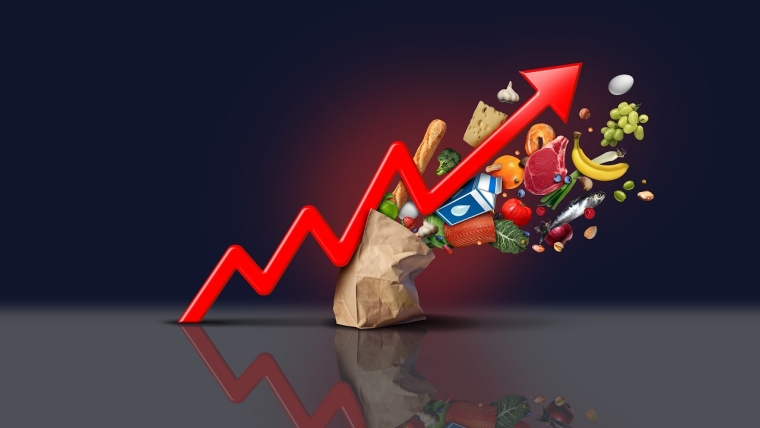
Those food prices are still rising till it hurts - with the annual rate of food price inflation reaching 12.1% in March - the highest rate since 1989.
The latest soaring food price figures come ahead of the release of the March quarter Consumers Price Index (CPI) on Thursday this week and that's likely to show overall annual inflation remaining over 7% for the fourth consecutive quarter.
Food prices make up 18.7% of the CPI.
The 12.1% annual food price inflation figure, which is up from 12.0% as of February, is the largest annual increase since September 1989 when the figure was 12.4%.
Kiwis are being "crushed at the checkout", National Party's finance spokesperson Nicola Willis says.
"Labour must say when and how they will get inflation under control. Annual food price growth has been above 3% since September 2021, and our overall inflation rate at 7.2% is now higher than Canada, the US, Australia, Singapore and Japan.
"This sad state of affairs is an unacceptable result of a Government without a plan to address the underlying causes of inflation," Willis said.
The weather disruptions (the Auckland Anniversary Weekend deluge and particularly Cyclone Gabrielle) in the early part of this year were expected to have an impact on the March prices.
However, ASB senior economist Mark Smith said there were "fewer than expected" signs of an immediate cyclone-induced boost to fruit and vegetable prices, but generalised rises were evident for grocery food price rises. Food prices rose 3.7% over Q1, contributing 0.7 percentage points to the first quarter CPI, he said. ASB economists are picking a 1.8% quarterly inflation figure and 7.2% annual rate when the CPI is released on Thursday.
Smith said food price rises "remain ingrained", and it appears consumers are cutting back where they can.
"Conditions are in place that should see NZ food price inflation cool over 2023, but a difficult year lies ahead for NZ consumers."
Stats NZ's consumer prices manager James Mitchell said grocery food was the largest contributor to the food price rises, with increasing prices for barn or cage-raised eggs, potato chips, and six-pack yoghurt the largest drivers within grocery food.
But the annual increase was due to rises across all the broad food categories Stats NZ measures.
Compared with March 2022:
- grocery food prices increased by 14%
- fruit and vegetables prices increased by 22%
- restaurant meals and ready-to-eat food prices increased by 8.7%
- meat, poultry and fish prices increased by 7.8%
- non-alcoholic beverage prices increased by 8.2%.
The second-largest contributor to the annual movement was fruit and vegetables. The increase was driven by tomatoes, potatoes, and avocados.
In terms of monthly food prices, these rose 0.8% in March 2023 compared with February 2023. After adjusting for seasonal effects, they were up 0.5%.
The 2.3% increase in grocery food was the largest contributor to the monthly movement. Within this group, the items having the greatest impact were barn or cage-raised eggs, six-pack yoghurt, and boxed chocolates.
These price rises were partly offset by a 1.0% fall in meat, poultry, and fish.
The Government has been moving to improve competition in New Zealand's supermarket sector.
And the Green Party was quick on Monday to say that the Government needed to "get on" and pass the Grocery Industry Competition Bill, which among other things creates a regulatory regime for wholesale supply of groceries, without delay.
Green Party spokesperson for commerce and consumer affairs, Ricardo Menéndez March said NZ was "also long overdue a serious look at the need to force supermarkets to divest their subsidiary companies".
"The cruel truth is that food price rises driven by supermarket profiteering are making it harder and harder for people to afford to eat. The evidence for an excess profits tax on supermarkets could not be clearer."
We welcome your comments below. If you are not already registered, please register to comment
Remember we welcome robust, respectful and insightful debate. We don't welcome abusive or defamatory comments and will de-register those repeatedly making such comments. Our current comment policy is here.