

As New Zealand farmers navigate the unpredictable waters of economic volatility, It’s crucial to focus on key parameters that drive business success. In these turbulent times, understanding the balance between supply and demand impacts is essential for mitigating business risks.
The current flood of economic reporting can feel as erratic as the effect of sea sickness, influenced by the major global events as geopolitical tensions and energy price shocks bite.
March Madness reporting is causing the effect of a sea sickness volatility of economic reporting. But the focus on major key parameters that drive your business should be the only focus.
However, one must balance the deflationary hit of high fuel costs, since it subtracts from NZ consumer spending. It then becomes a bit of a horse race between supply impacts (higher inflation) and demand impacts (lower growth) – whichever is the more pronounced impact, generally dominates medium-term inflation.
While circumstances were quite different, during the energy price shock from the Russian invasion of Ukraine in 2022, many central banks took the view that the negative demand impacts would dominate – this was misdiagnosed and turned into part of a cost-push inflation spiral that saw global inflation reach multi-decade highs and took years of aggressive policy to correct.
Developments are fluid and volatility remains high so the information you are reading can change quickly.
As we navigate these uncertain economic times, focusing on the key parameters can help farmers mitigate risks and enhance their resilience. By staying informed and adaptable, farmers can not only survive but thrive amid volatility.
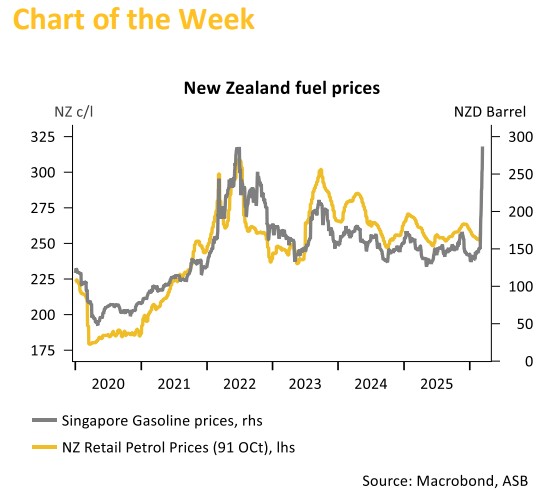
The key drivers for focus farm management focus are:
- monitor fuel and input costs closely. Implement energy-efficient practices where possible to reduce expenses.
- Utilise technology and data analytics to gain insights into market conditions. Prepare your business model for a change of production focus.
- Strengthen relationships with suppliers to ensure a reliable supply chain. Diversifying suppliers may help mitigate risks from single-source dependencies. If one supplier is under performing in the current environment, then take advantage of those that are delivering better returns.
- Develop flexible financial strategies to compensate for changing economic conditions. Focus on the most profitable contributors and avoid continuing loss-making categories.
We welcome your comments below. If you are not already registered, please register to comment
Remember we welcome robust, respectful and insightful debate. We don't welcome abusive or defamatory comments and will de-register those repeatedly making such comments. Our current comment policy is here.