
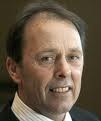
Don Nicolsons foray into politics from a Federated Farmers background is not new, as many well known politicans have started their political career via this way.
Just how successful he will be only time will tell, but it is interesting to note that Bruce Wills the new president has already stated that his style will be less divisive. Is the political following by farmers changing, and are they moving further to the right and away from ther traditional National Party roots?
Certainly this weeks capital gains tax will not endure them to the left, and the ETS policies of Labour and the Greens will win little support from agriculture.
But Nationals middle of the road approach to these issues will have not upset too many of their faithful, and Don Nicolsons radical approach will alienate some of the traditionally conservative farming voters.
How did you rate Don Nicolsons term as the Feds president, and will Bruce Wills proposed more concilatory style, bring more success as a lobbyist?
An Opinion piece in the Nelson Mail: Don Nicolson's emergence as another key player for ACT is less of a surprise than southern storms at lambing time. In standing down last week as president of Federated Farmers, he made it clear that he felt he still had a role in the corridors of power. His declaration – unnecessary for anyone with any interest in politics – that he aligns himself with "where National used to be" made it clear that he was angling for a prime spot on the ACT list.
Right-wing blogger David Farrar speculates that Mr Nicolson might feature as high as four on the Don Brash-led party's list. If this proves correct, only one of the top four ACT politicians were even party members three months ago. This illustrates the extent of the cleanout, starting with Dr Brash's extraordinary and swift campaign to depose then leader Rodney Hide in April.
Mr Nicolson makes no bones about his loathing of the radical Left, both locally and internationally. He has been quoted as seeing climate change and measures to combat it – such as the emissions trading scheme – as a massive con. "I have to say the Green movement has done a great job of getting into the hearts and minds of the international population. They have infiltrated everywhere," he told the Timaru Herald last week.
He further theorised that the ETS is part of a United Nations' effort to move resources from developed to developing countries to grow them out of the poverty trap – "creating jobs to prevent anarchy". His antipathy towards radicalism, then, will seem strange to those at the other end of the political pendulum – for his newly adopted party is every bit as extreme as they are. Despite the inclusiveness Dr Brash claims to seek, his method is deliberate and divisive. And he well knows that the so-called Maori privilege he targets is a myth – but one he happily exploits, and the segment of the voting public he appeals to is just as keen to believe in. It is the same drum that New Zealand First leader Winston Peters has been thumping throughout his political career – and Dr Brash has outplayed him.
MMP's main purpose is to bring a more representative voice to Parliament – including the white, conservative race-based segment that NZ First and ACT most appeal to. That does not mean that the wider electorate still buys into these outdated racial views. The emergence of the Maori Party as a competent and reasonable voice for Maori should have helped to dispel some of the fears that Dr Brash tapped in his ground-changing Orewa speech in January 2004.
We welcome your comments below. If you are not already registered, please register to comment
Remember we welcome robust, respectful and insightful debate. We don't welcome abusive or defamatory comments and will de-register those repeatedly making such comments. Our current comment policy is here.