
BEEF
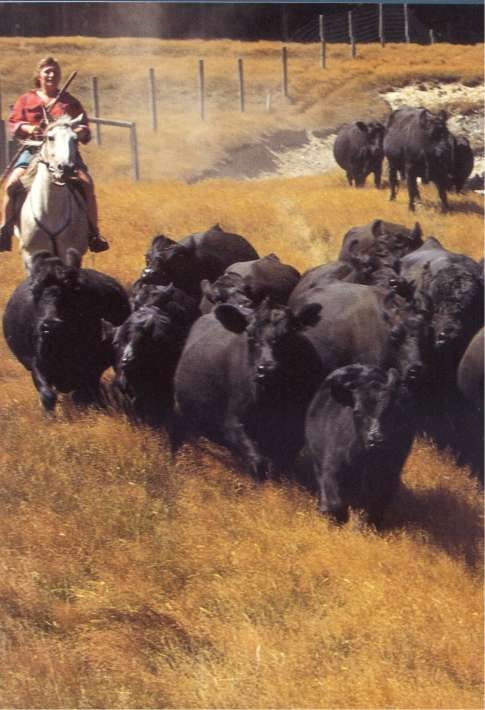
More beef schedule drops driven by the huge increase in supply into the US market by Australian and NZ exporters is finally taking its toll on prices.
South Island beef processing numbers are 24% ahead of last year as managers cash in on the beef boom especially with cull cows and bulls , but some have been slow to replace, waiting for a feed induced adjustment to lower store prices accordingly.
It has been reported that in the US, feedlotters are turning to dairy beef to fill the shortages, and this could in the future compete directly with NZ’s manufacturing beef market.
The court has ruled Silver Fern Farms owes workers $2-$3 million dollars for historical redundancy payments on the closure of the Silverstream cutting plant, and this big cash cost will be unhelpful in a company desperate to make profits and improve it’s equity position.
LAMB
More falls in lamb schedules this week, as the early optimism has waned and prices now are very similar to where they were last year, but with unfortunately in the south, a less favourable feed supply.
Exporters report competition from domestic product in the UK and Europe is easing and more enquiries for frozen lamb is building.
Mutton demand this season has come from the more traditional markets of the US and Europe, as China struggles to reduce big stocks of last years purchases.
North island areas are keeping animals to bigger carcass weights to compensate for dropping schedules and have mouths for good feed supplies.
At this stage store lamb sales have held to reasonable values, but with big volumes to come, price pressures could mount, on scarce lamb feed especially in the south.
In the annual stock count, sheep numbers again fell to now sit at 29.6million head, but reports from ram sales do indicate that optimism in this sector is returning and in NI regions with feed, restocking is happening.
-------------------------------------------------------------------------------------------------------------------------------------------
Farms For Sale: the most up-to-date and comprehensive listing of working farms in New Zealand, here »
-------------------------------------------------------------------------------------------------------------------------------------------
WOOL
The combined island wool sale saw prices ease in a mixed fortunes sale, with finer, stronger, and better style wools improving in price, while others eased for an offering that saw 19% passed in.
Small early sales of lambs wool sold at prices well ahead of the first offerings last year, and if it continues will enhance returns considerably.
.DEER
Maybe the first signs this week that the summer schedule may be nearing the bottom, as the rate of decline eases, on the back of reducing volumes.
Processors report that deer skin prices have been weak and are affecting carcass returns, and with 55% of last year’s kill being female, the industry is still unfortunately contracting.
Stock count tallies shows the degree of the decline with numbers falling to 949,400, back from 1.75 million just 10 years ago.
The National Velvet competition annually sets the standards for velvet production and this year was no exception, with red velvet weights reaching 13kg, now a long way ahead of early competitiont heads at just 5kgs.
We welcome your comments below. If you are not already registered, please register to comment
Remember we welcome robust, respectful and insightful debate. We don't welcome abusive or defamatory comments and will de-register those repeatedly making such comments. Our current comment policy is here.