
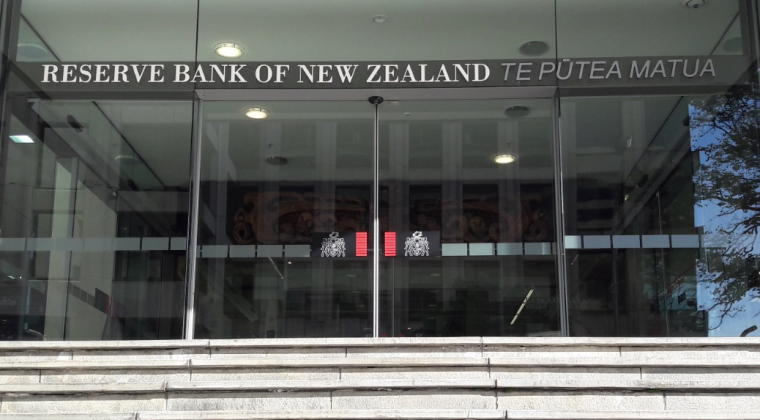
The Reserve Bank is giving banks seven days notice that it plans to remove loan-to-value ratio (LVR) restrictions on their residential mortgage lending for at least a year.
The move is in response to the economic downturn caused by the COVID-19 pandemic. LVR restrictions are limits on banks to reduce the amount of low-deposit mortgage lending they can do. (The details on where the limits are set are at the foot of this article).
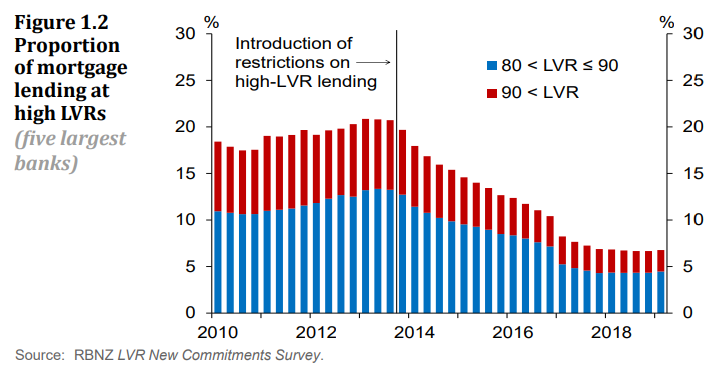
The Reserve Bank says LVR restrictions are aimed at reducing the risks to financial stability from a severe correction in house prices. The restrictions were introduced in October 2013 in response to high levels of high-LVR mortgage lending, with policy settings adjusted since as risks have evolved.
"The current economic conditions resulting from the COVID-19 crisis have caused the Reserve Bank to consider the removal of LVR restrictions, given the counter-cyclical nature of the LVR policy. This action will also avoid any uncertainty around the implications of LVR limits from the mortgage deferral scheme. It is important that banks continue to provide support to borrowers during these extraordinary times," the Reserve Bank says in a letter to banks.
"The Reserve Bank intends to remove the LVR restrictions for a period of one year, until 1 May 2021. We have not yet determined what, if any, LVR limits will be needed in the future. This will be further considered ahead of the end of the 12 months, and will be consulted on as necessary."
Reserve Bank Deputy Governor and General Manager of Financial Stability Geoff Bascand says as is normal for changes to macro-prudential measures, the regulator is consulting with banks on its proposal, for seven days.
"Feedback will be collated from industry stakeholders over this period and a decision will be made promptly after that," says Bascand.
"The change, if effected, will be made via a change in bank Conditions of Registration. If the decision is made to remove the restrictions, the Reserve Bank will monitor lending activity and feedback from retail banks over the next 12 months as the economic impact of the COVID-19 pandemic becomes clearer. After that period, we will review whether to reinstate LVR restrictions. This provides banks and customers certainty that no further changes to LVR requirements will be made for at least one year."
LVR restrictions apply to new high-LVR loans, and not retrospectively to existing loans. Existing borrowers are only affected if they want to take out a top up loan.
The chart below comes from the Reserve Bank's May 2019 Financial Stability Report. At that time the Reserve Bank said LVR restrictions had been in place since 2013 to address the risks associated with high household indebtedness and stretched house prices, and had made households and banks more resilient to financial shocks.
The details of the current LVR restrictions, as set out by the Reserve Bank, are below.
Investor loans – 30% deposit / 5% of investor lending
LVR lending restrictions are tighter for investor loans due to the higher risks associated with this type of loan. The current policy classifies investor loans as high-LVR if they are more than 70% of the property’s value, and restricts high-LVR lending to no more than 5% of a bank’s total new investor lending.
Owner occupier loans – 20% deposit / 20% of owner occupier lending
This class of loan is for borrowing secured against owner occupied property. The current policy classifies owner occupier loans as high-LVR if they are more than 80% of the property’s value, and restricts high-LVR lending to no more than 20% of a bank’s total new owner-occupier lending.
Special cases
There are some exemptions relating to borrowing to build a new home, for non-routine repair work (e.g. fixing leaky homes) on existing properties, bridging finance, refinancing of existing loans, shifting loans from one property to another (provided the total value of the loan does not increase) and loans made under the Housing New Zealand Mortgage insurance scheme (including Welcome Home Loans). The construction exemption covers any loan for a residential property purchase under the government’s Kiwibuild programme. In addition, borrowers with owner occupied and investment property collateral can use the combined collateral exemption to obtain finance up to 70% of the value of the investment properties and 80% on their owner occupied property.

We welcome your comments below. If you are not already registered, please register to comment
Remember we welcome robust, respectful and insightful debate. We don't welcome abusive or defamatory comments and will de-register those repeatedly making such comments. Our current comment policy is here.