
Here's my summary of the key events over the weekend that affect New Zealand, with news the "global elites" are gathering for their annual meeting in Davos.
But first, Moody's has agreed to pay nearly NZ$1.2 bln to settle with American authorities over its ratings of risky mortgage securities prior to the 2008 financial crisis. Nearly two years ago, S&P paid almost NZ$2 bln on the same charges.
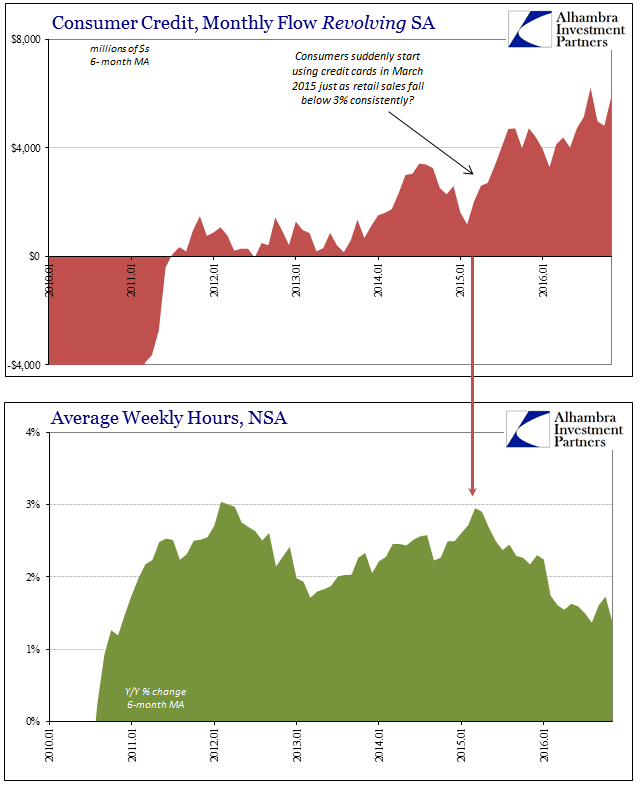
American households ended 2016 spending at a solid pace, especially on cars and online shopping during the holidays. Sales rose +0.6% in December from a month earlier, the eighth monthly increase in nine months and extending their long economic expansion. In fact, retail sales rose +3.3% in all of 2016, faster than the prior year’s gain of +2.3% and supported by the +2.9% pickup in American wages.
As a consequence American consumer confidence hit 12 year highs at the end of last year, too, helping to keep spending strong.
If there is any meeting that says "global elite" is the Davos meetings in Switzerland, and they are on this week. At them are American billionaires (including senior Trump adviser Scaramucci), Russian oligarchs, and most Chinese heavy hitters. President Xi will be there. It won't be the fine-sounding conference agenda that attracts them, its the opportunity for back-room deals.
In China, their leading home appliance maker Haier said its profits in 2016 jumped +12.8% to almost US$3 bln. Haier owns Fisher & Paykel Applincaes. It also owns the GE Appliances brand business.
And China's central bank has identified a US$67 bln financial stability risk from 267 "payment platforms" and has ordered them to hold advance payments from customers in non-interest earning State deposit accounts, to prevent "misappropriation".
Their tax authorities also said that tax revenue growth in the country slowed to +4.8% in 2016 from +6.6% the previous year. Income tax cuts turned out to be implemented quickly, but the switch to a GST did not actually generate the tax take expected.
In New York, the UST 10yr yield reversed its recent weakness and climbed at the close, finishing at 2.40%.
Oil prices slipped slightly on Friday, now just on US$52.50 for the US benchmark, while the Brent benchmark is now just on US$55.50 a barrel. Growth in the rig count stalled last week. Expect energy prices to rise from the severe cold weather in the Northern Hemisphere. NZ$2/l pump prices are on the cards, boosting local headline inflation. This will be just one feature of "much more volatility" in oil prices in 2017, says the IEA.
The gold price slipped in New York at the close and is now at US$1,195/oz.
The New Zealand dollar ended last week at 71.3 US¢. On the cross rates it was at 95.1 AU¢, and against the euro at 67 euro cents. The NZ TWI-5 index is at 77.2, a four week high.
If you want to catch up with all the changes on Friday, we have an update here.
The easiest place to stay up with event risk today is by following our Economic Calendar here ».
We welcome your comments below. If you are not already registered, please register to comment
Remember we welcome robust, respectful and insightful debate. We don't welcome abusive or defamatory comments and will de-register those repeatedly making such comments. Our current comment policy is here.