
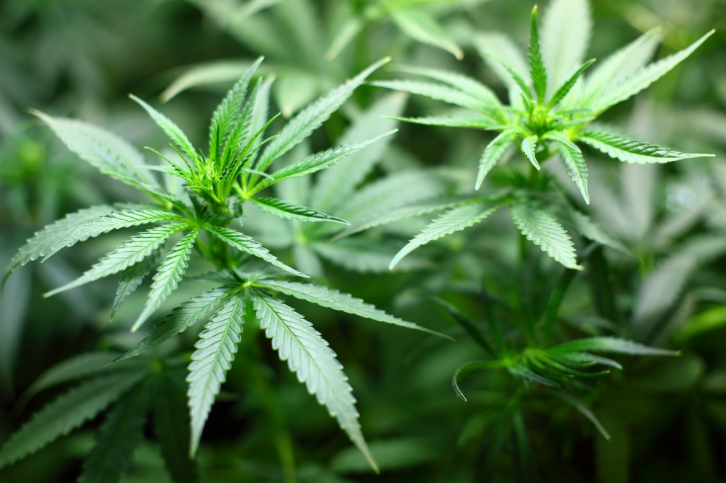
The Government has detailed what the public will vote on in a cannabis referendum at the 2020 General Election.
Cabinet has agreed there will be a simple Yes/No question asking voters if they support a draft piece of legislation that will propose:
- Making it legal to buy recreational cannabis from licensed and registered retailers
- Making it legal to use recreational cannabis in licensed premises or private property
- Requiring recreational users to be 20 or older
- Banning the advertising of cannabis products
- Regulating private cultivation
- The rollout of a public education programme
While Justice Minister Andrew Little said the referendum was binding "because all of the parties that make up the current Government have committed to abide by the outcome," a new government could modify the bill or refuse to pass it.
National leader Simon Bridges said he would have to see the bill before deciding whether he would support passing it if elected at the 2020 election.
The Green Party's Chlöe Swarbrick said having the proposed law developed and released ahead of the referendum was key. However the Greens had wanted to see legislation passed through Parliament before the referendum, so it was ‘self-executing’ with a majority yes vote.
"We didn’t gain consensus on that step," Swarbrick said.
"As it is, a yes vote will be informed by a clear regulatory regime set out in draft legislation that people will know and understand. We will avoid any potential of a ‘Brexit’ situation because people will know exactly what the future holds, and how these changes will be implemented.”
National's spokesperson for drug reform, Paula Bennett, had a go at the Government for spinning the issue to make it sound like the referendum was binding.
"While legislation will be drafted, it won’t go through the House, meaning Parliament won’t have the opportunity to improve the legislation through the Select Committee process, expert advice and public submissions," she said.
“It is too early to be having a debate about legalisation. We should have waited to see the evidence from Canada who only legalised in October. Since a referendum has been promised, we believe the public should have as much information and certainty as possible. This option does not deliver that.”
Little said officials were drafting legislation with stakeholder input. The Electoral Commission would draft the referendum question to appear on the ballot.
“The Coalition Government is committed to a health-based approach to drugs, to minimise harm and take control away from criminals," he said.
“The referendum is a commitment in the Labour-Green Confidence and Supply Agreement, as well as a longstanding commitment from New Zealand First to hold a referendum on the issue."
Here is the paper considered by Cabinet.
Little confirmed there would be no other government-initiated referendums at the next election. This rules out the possibility of a referendum on the shape of the electoral system, which had been previously mooted.
However if Act's End of Life Choice Bill passes the parliamentary process, a referendum at the 2020 general election is likely to be required to seal the law change.
We welcome your comments below. If you are not already registered, please register to comment
Remember we welcome robust, respectful and insightful debate. We don't welcome abusive or defamatory comments and will de-register those repeatedly making such comments. Our current comment policy is here.