
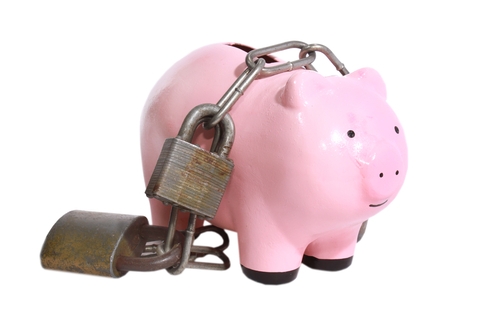
Housing-related concerns may be prompting people to be wary about over-spending, Westpac economists say.
In commenting on results of the fourth-quarter Westpac McDermott Miller Survey, Westpac senior economist Felix Delbruck that while the overall Consumer Confidence Index had risen to its highest level since September 2009, spending intentions are surprisingly subdued. This is despite people being the most upbeat they have been about their finances in the six years.
"Given all this positivity, we might have expected a similar lift in the survey’s questions that relate more directly to spending appetites. Interestingly, those haven’t moved much.
"In fact, the number of households saying that now is a good time to buy a major household item, or that they would spend a cash windfall, is lower than six months ago," he said.
While Delbruck noted that the survey’s various ‘spending’ questions were still at, or slightly above, historical averages, he said the subdued attitude was "a note of caution in what is otherwise a very positive report".
"The most obvious culprit is housing-related concerns," he said.
"With house prices marching steadily higher and restrictions on low equity borrowing now in place, the hurdle to home ownership has risen. Meanwhile, talk that interest rates will rise next year may have made homeowners more uncertain about future property values and their own future mortgage payments.
"We think it is suggestive that the signs of renewed spending caution were particularly noticeable among Aucklanders, as well as among older and higher-income respondents (who are more likely to fall into the existing homeowner category)."
As well as people being the most upbeat about their finances in six years, and economic optimists now outnumber pessimists by the widest margin since December 2004, the survey has found.
"What’s more, the improvement has been remarkably widespread across age, income, and regional groups," Delbruck said.
"This is all very much in keeping with the facts on the ground. The construction sector is ramping up (not just in Canterbury), the job market is on the mend, house and share prices have continued to rise, and rural incomes are getting a big boost from post-drought recovery and sky-high export prices. (Consumer confidence in rural regions has risen particularly sharply over the past few surveys.)"
The Westpac McDermott Miller Consumer Confidence Index summarises the net balance of optimistic/pessimistic responses to five questions: how households’ financial situation has changed over the past year; whether now is a good time to buy a major household item; households’ outlook for their financial situation over the coming year; and their near-term and longer-term outlook for the New Zealand economy as a whole.
Survey interviews were conducted from December 1-10, with a sample size of 1569.
Delbruck said the biggest increases were in the net percentage of households saying their financial situation has improved (to a net 0.4% positive, the highest since December 2007) and in the net percentage of households expecting good economic times over the coming year (to a net 27.8% optimistic, the highest since December 2004). There was also a smaller rise in the net percentage of people expecting their finances to improve over the year ahead, from 9.6% to 12.1%, the highest since September 2010.
The net percentage of households saying that now was a good time to buy a major household item rose slightly, from 24.7% to 25.8%, but remained well below its recent peak of 34.4%, in the June survey. Meanwhile longer-term economic optimism (looking 5 years ahead) fell back from 37.8% to 34.4%, close to the historical average of 32%.
The survey also asks respondents how their spending on entertainment and eating out has changed over the past year, and what they would do with a $10,000 cash windfall. The net proportion saying they have increased their spending on entertainment/eating out slipped back slightly (to -16.7% from -15.0%), despite the improvement in their reported financial situation. The percentage of respondents saying they would spend a cash windfall (rather than save it or use it to pay down debt) held steady at 34.3% - below the recent peak of 37.7%, but still slightly above the historical average.
We welcome your comments below. If you are not already registered, please register to comment
Remember we welcome robust, respectful and insightful debate. We don't welcome abusive or defamatory comments and will de-register those repeatedly making such comments. Our current comment policy is here.