
Legislation to remove the employment target from the Reserve Bank of New Zealand’s mandate will be the first law passed after the 54th Parliament begins next week.
Chris Bishop, the newly-appointed leader of the House, said the new Parliament will sit from Tuesday and the first week would be taken up with ceremonial and procedural processes.
There will then be two weeks in which to pass some key legislation—such as repealing Fair Pay Agreements, Resource Management Act reform, and the clean car discount—before the Christmas break.
But first off the blocks will be legislation that returns the RBNZ to a single monetary policy mandate, focused on fighting inflation. Bishop said it would be the first government bill to go through all stages.
The RBNZ’s monetary policy mandate was revised in 2018 to introduce a dual mandate of promoting price stability and supporting maximum sustainable employment.
Employment was already a key consideration for the central bank prior to the law change, but the amendment to the Reserve Bank of New Zealand Act formalized the arrangement.
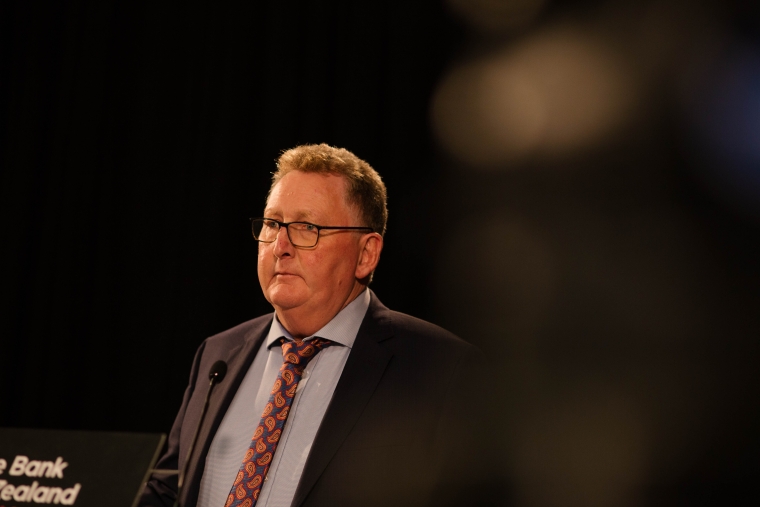
Prime Minister Christopher Luxon and Finance Minister Nicola Willis met with RBNZ Governor Adrian Orr on Tuesday, ahead of the November Monetary Policy Statement.
Luxon said it had been a “very constructive meeting” and he had confidence the Reserve Bank would be able to bring inflation back into the target range.
“In my conversations yesterday, with the Reserve Bank Governor, I was pleased to hear his obsession and his focus around driving inflation lower,” he told reporters.
“Also, it was helpful to have the Secretary of the Treasury there to make sure that we're getting the fiscal and monetary policy joined up, and not working at cross purposes, which is what we've observed over the last few years”.
Despite frequent criticism of the RBNZ while in opposition, Luxon said he now shared a “united goal of going after inflation” with Governor Adrian Orr.
“He can only go so far if we don't have our fiscal situation sorted and under control. That's why we need to go through government spending with a very big focus on that,” he said.
Luxon said it was “incredibly disappointing” to see the central bank warn it may need to lift the Official Cash Rate higher, in part - he said - due to Labour’s higher spending.
Orr said the higher interest rate track, outlined in the Monetary Policy Statement, was partly because government spending was higher than the bank had previously expected.
“But the bigger driver of it is actually the total level of spending in the economy, and that is largely driven by the growth in the population,” he said.
The meeting with Luxon and Willis was part of a routine process to brief the Government on the economic outlook and did not include talk about changing the bank’s remit.
“The vibe in the room was incredibly constructive, and highly focused on the job at hand. And the number one job at hand for us is to reduce inflation”.
While the remit was not discussed, the Governor said reporters should read the central bank’s own review which was published last year.
It suggested making the inflation target the primary goal, with the employment target a secondary consideration.
“We can never ignore the impacts on the real economy, the labor market and so on, but [we can give inflation] primacy,” Orr said.
Other possible changes proposed in the Coalition Agreements include setting a specific timeline on inflation targeting and replacing the seven person Monetary Policy Committee with a single decision maker.
The initial bill passing through Parliament before Christmas will only remove the employment mandate and the other changes will be considered later — after advice has been provided.
Orr suggested the central bank might advise against these other changes.
The lag of monetary policy and unpredictability of economic shocks made it “extremely difficult” to set an exact time limit for achieving the inflation target, and making monetary policy decisions as a committee had increased the level of scrutiny and discipline involved.
Finally, the Governor was asked about whether he would make changes to the use of Te Reo Māori within the central bank.
Orr said the bank was “very proud” of its Māori name, Te Pūtea Matua, and it would continue to use it.
“Our embracing of Te Ao Māori has been more about how we work together as opposed to what our mandate is. All of our actions and activities are firmly, firmly anchored to our legal mandate,” he said.
We welcome your comments below. If you are not already registered, please register to comment
Remember we welcome robust, respectful and insightful debate. We don't welcome abusive or defamatory comments and will de-register those repeatedly making such comments. Our current comment policy is here.