
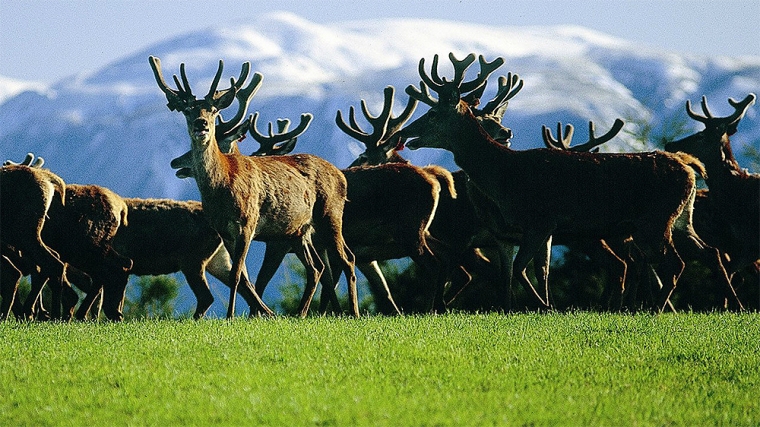
Farmers have been scrambling to get deer velvet sales ready for China ahead of a looming ban on imports of frozen product, with a major deadline due today (Friday).
In a letter, the export giant PGG Wrightson warned farmers to get velvet supplies off the farm by the end of this week in order to meet a deadline for exports.
“Final export shipments to China leave in early March,” the letter says.
“To avoid any uncertainties, we urge all suppliers to have velvet and antler off farm before the 23rd of February.
“We will still be accepting velvet and antler with no certainty of price or payment times.”
Tony Cochrane, PGG Wrightson’s national deer and velvet manager, is open about this problem, saying the matter is now in the hands of negotiators from the Ministry for Primary Industries (MPI) and the Chinese Government.
Deer velvet is used in Traditional Chinese Medicine (TCM) for treatment of the immune system, circulation problems, joint pains and fatigue, and more recently has focused on prostate issues.
It is very expensive, earning about $120 per kilogramme in export markets, and is popular in South Korea as well.
According to the lobby group Deer Industry NZ, deer velvet exports rose from $96 million in 2022 to $124 million in 2023.
Some of this increase is believed to stem from farmers rushing to get exports en route to China well ahead of the deadline.
Cochrane is optimistic about the talks between MPI and the Chinese Government, but it is unclear how long they will take.
The aim of the Chinese is to have all velvet imports come in as dried product. Cochran says this is aimed at all countries, not just New Zealand, and is part of a comprehensive reform of all aspects of TCM.
“It’s not a strategic thing, it is just them cleaning up their own in-house rules.
“TCM is highly regulated, it is much more stringent than western medicine. An oriental medical doctor takes a lot longer to be trained than a western surgeon.”
New Zealand will still be selling deer velvet to South Korea. Sales to China remain uncertain, pending progress in the talks.
Cochran says New Zealand sells some dried velvet to China, but there is not enough drying capacity here to convert all product to dried material. And creating processing plants to do this work would take time and money.
“It comes back to the fact that someone’s got to finance it, someone’s got to provide the capital, and we are talking about a very expensive product.”
Cochran says official and industry professionals are meeting on a weekly basis to try to solve this matter, and he says the talks are very delicate.
And he is not pessimistic about the future prospects for the trade.
“Long term, it’s going to be really positive to get these rules nailed down, because it should open the door for further added value. So, there might be long term gain after some short term pain.”
In a statement, MPI says resolving this matter is a key priority.
“There is ongoing constructive engagement with China to agree conditions for the continued trade of frozen deer velvet exports to China,” says its Acting Director of Market Access, Bruce Burdon.
“We are aiming to resolve this matter before the 2024/25 export season.
“In the meantime, we’ve agreed with China that New Zealand frozen deer velvet exports to China can continue under the existing conditions for the current season until 30 April 2024.”
We welcome your comments below. If you are not already registered, please register to comment
Remember we welcome robust, respectful and insightful debate. We don't welcome abusive or defamatory comments and will de-register those repeatedly making such comments. Our current comment policy is here.