
Labour’s finance spokesperson Grant Robertson says house price growth, and the wealth effect it creates, is not foundational to his “long-term” plan to sustainably grow the economy.
The Reserve Bank’s decision to lower interest rates in a bid to encourage more borrowing, investment and spending is adding fuel to an already heated housing market.
House prices have gone up 7.5% in the past year according to QV’s house price index, with mortgage lending reaching an all-time high.
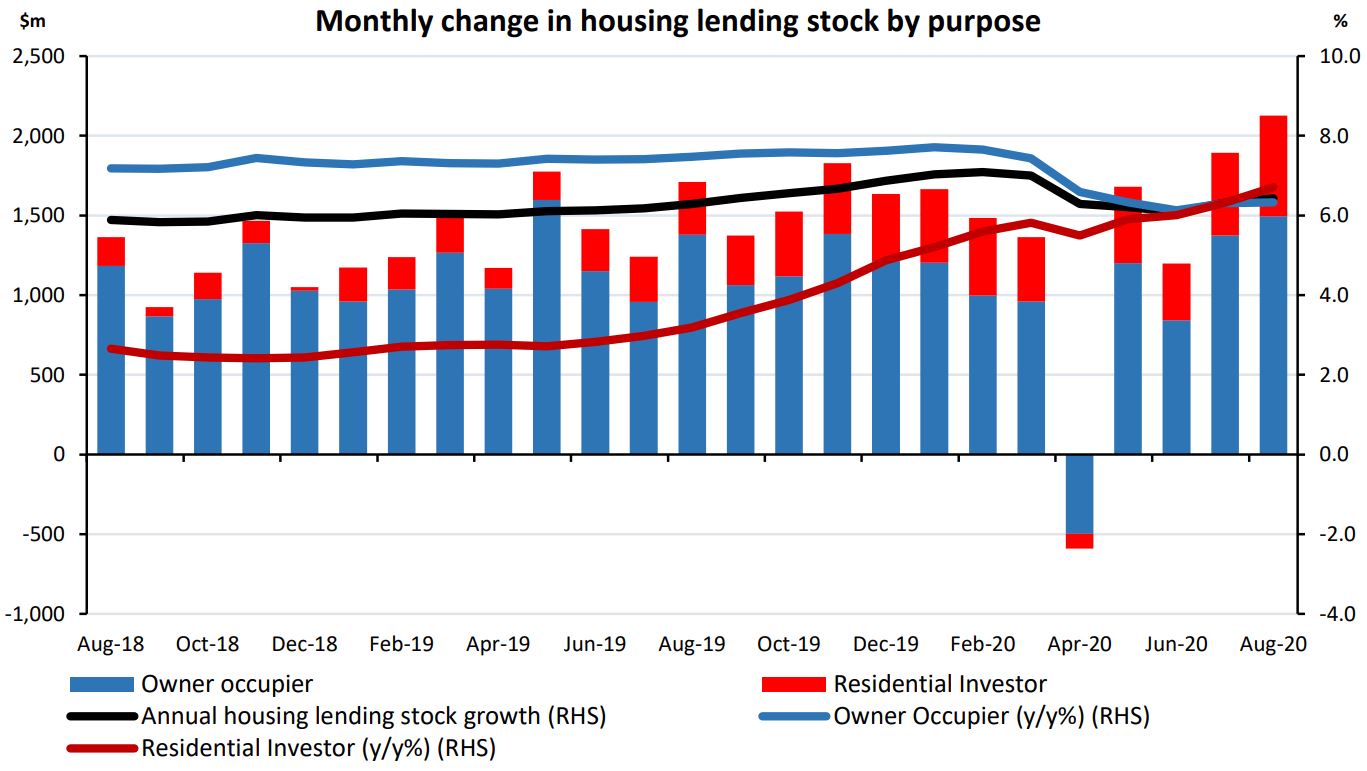
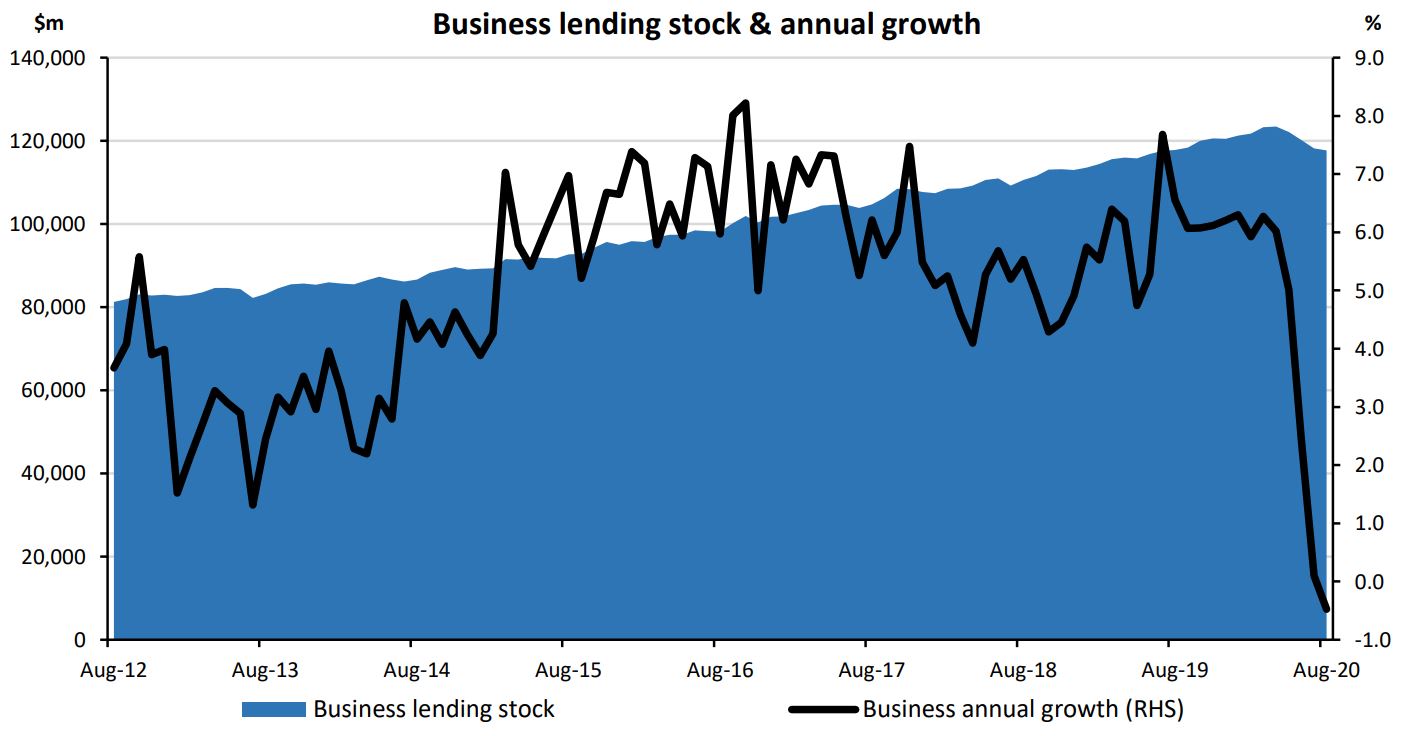
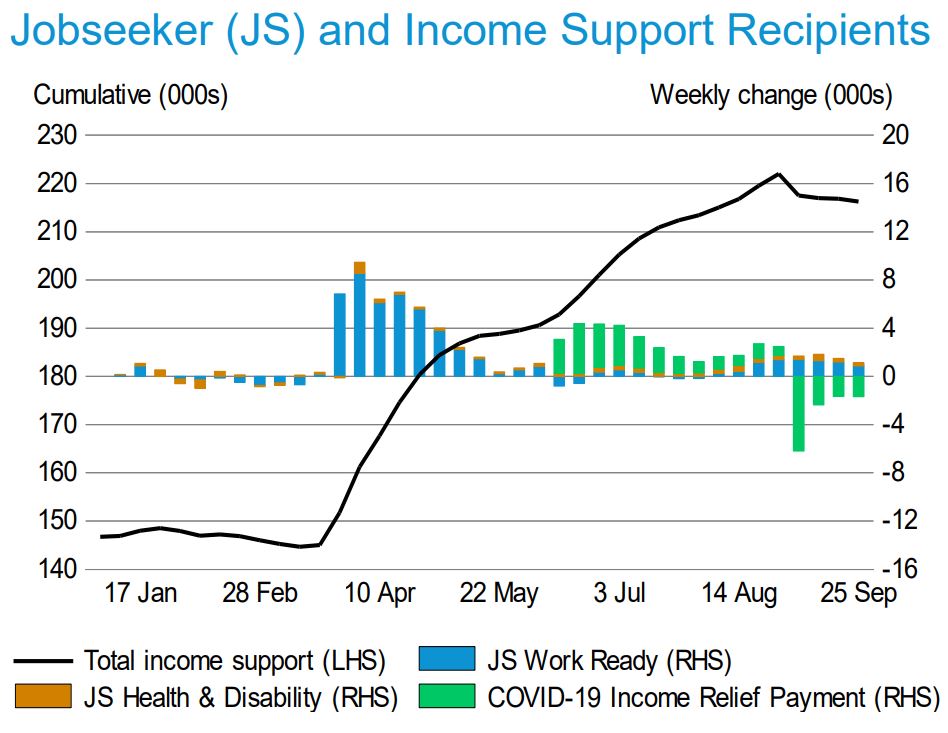
Meanwhile business lending has fallen, and the number of people to go on income support has increased by around 80,000 since March.
Speaking to interest.co.nz, Robertson acknowledged low interest rates prompt people to “look at” assets like housing.
Yet, he wanted to see low interest rates also encourage more consumer spending and business investment.
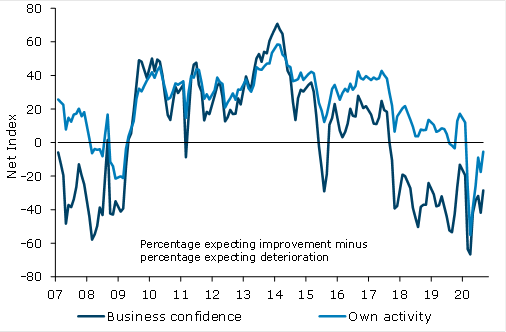
“Business investment… is about confidence, and we’re starting to see some confidence return,” he said, referencing improved ANZ Business Outlook Survey results.
A time for ‘balance’ rather than ‘transformation’
On the issue of whether fiscal stimulus by the government is keeping up with monetary stimulus by the Reserve Bank, interest.co.nz put it to Robertson that someone with a $500,000 mortgage, who switched from paying the average two-year mortgage rate at the beginning of the year to the average two-year rate now, would save $217 per month on interest payments.
Whereas someone on a benefit is $100 better off per month thanks to benefit rate increases made by the Government in response to Covid-19.
Asked whether it was fair that the support the Reserve Bank was providing to property owners was, in this modest example, worth more than the increased support the government was providing the more vulnerable, Robertson said the example didn’t compare apples with apples.
But he acknowledged the concept, and said changes made under his government were putting more cash in people's pockets - particularly sole parents.
He also noted Labour was campaigning on welfare changes, including changing abatement rates so that beneficiaries can earn more through paid work before their welfare payments are docked.
Asked why he was changing tack this election and campaigning on being “balanced” rather than “transformational”, Robertson said, “We’re in the middle of a one-in-100-year economic shock.
"Monetary policy has carried a portion of the load. The balance that we’re talking about is making sure that on the fiscal side we do invest heavily, which I believe we are. But that we also make sure we’ve got enough money available for public services and a careful management of the economy.”
Minimum wage hikes stimulatory
Robertson also pointed to the stimulus he maintained would come from increasing the minimum wage in 2021 from $18.90 to $20 an hour. The minimum wage was $15.75 when Labour came into power in 2017.
“Those on the lowest incomes are those who spend whatever increase they get, so that does flow through the economy,” he said.
“For the whole time I’ve been in politics, people have told us that when the minimum wage goes up, somehow or other this would have this massive impact on jobs. I’ve never seen that happen.”
Asked whether now was the time to increase costs for businesses (noting Labour also wants to permanently increase sick leave from five to 10 days), Robertson said it was a matter of balancing support for businesses with support for low-income earners.
Labour is campaigning on making a three-year extension to the Small Business Cashflow Loan Scheme, which enables businesses to get interest-free, unsecured loans from the Government. It’s also pledging to reduce the fees businesses pay their banks for accepting debit and credit card payments. And it wants to offer digital training vouchers.
One week at Level 3 could be enough for a new wage subsidy extension
In terms of other forms of fiscal stimulus, Robertson said he would continue to take a targeted approach.
He didn’t think the economy was in a dire enough state for helicopter payments to be warranted - in the “foreseeable future” at least.
Should there be a move back to Level 3 lockdown, Robertson said he’d rather look at a wage subsidy extension or something similar.
Asked whether a week at Level 3 would be long enough for the wage subsidy to be reinstated, Robertson said: “I think we’re moving to that…
“We can look at, potentially, week-by-week subsidies if we need to. It’s really more a systems thing than anything else. And I think they [the Ministry of Social Development] are probably in a position to be able to do that now.”
In terms of the Government directly helping “economically strategic businesses” like Air New Zealand, Robertson said he would continue to be ready to talk to businesses, if re-elected.
He said the type of support that had been discussed to date has been debt, not equity.
Social insurance could come as a surprise
Robertson remained elusive over when he would introduce a social insurance scheme and who would pay for it.
Social insurance would see someone who loses their job receive a higher payment than Jobseeker Support for a limited period of time. This would presumably be funded by the government and ACC-like levies charged to businesses.
Asked why Labour was committing to designing such a scheme, but wasn’t explicitly campaigning on it, Robertson said there were other more “immediate” issues for it to focus on at this election.
Asked whether he would put the scheme to voters before implementing it, his response possibly indicated the taxpayer, rather than businesses, could cover the cost of the scheme - to begin with at least.
Robertson said: “We’ve been very clear about our commitment around taxes and levies and so we would be seeking a mandate for that. But there’s an awful lot of work we can do... There would be other ways of funding that too that wouldn’t necessarily have that kind of implication.”
Dairy: ‘Volumes can go up if we can be sustainable in doing so’
Finally, Robertson acknowledged the Coalition Government’s decision to ban new offshore oil and gas exploration without consultation “clearly” evoked a “negative reaction from people”.
“But I think it’s now largely accepted as part of our plan for more sustainability,” Robertson said when asked whether he would rule out pulling the rug out from beneath an industry in that way again.
“We must bring people with us.”
As for the future of dairy, Roberson was focussed on adding value to products and making the sector more sustainable.
“Volumes can go up if we can be sustainable in doing so,” he said.
We welcome your comments below. If you are not already registered, please register to comment
Remember we welcome robust, respectful and insightful debate. We don't welcome abusive or defamatory comments and will de-register those repeatedly making such comments. Our current comment policy is here.