
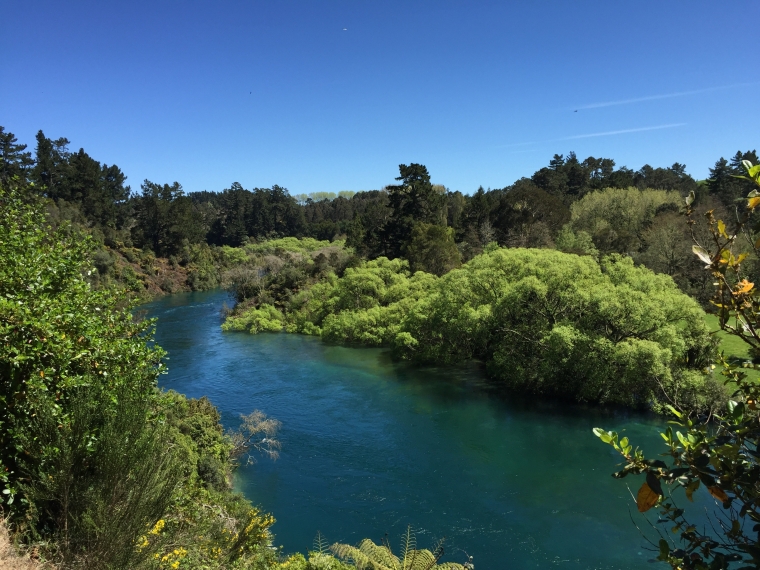
The Government wants to put greater restrictions on farmers who want to use their land in a more intensive way.
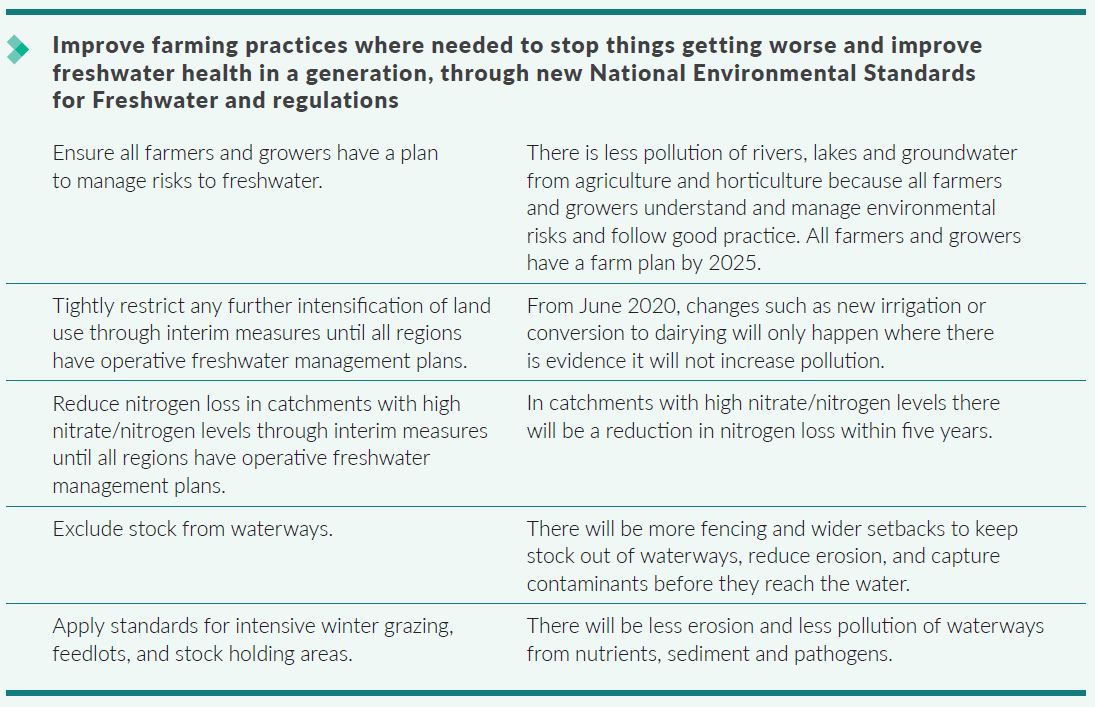
It’s proposing to, from June 2020, restrict farmers from using new irrigation schemes or converting to dairy, unless they can prove this won’t increase pollution.
In a consultation document, Action for Healthy Waterways, the Government says it wants to “tightly restrict any further intensification of land use through interim measures until all regions have operative freshwater management plans”.
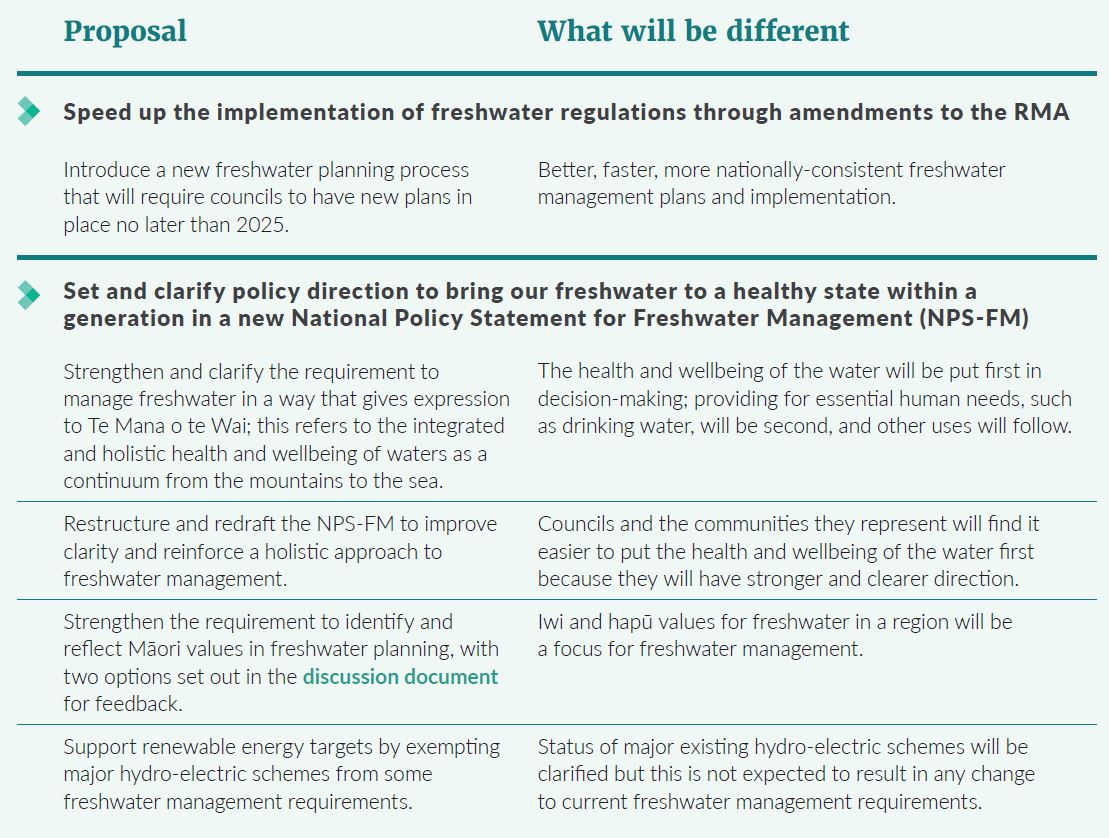
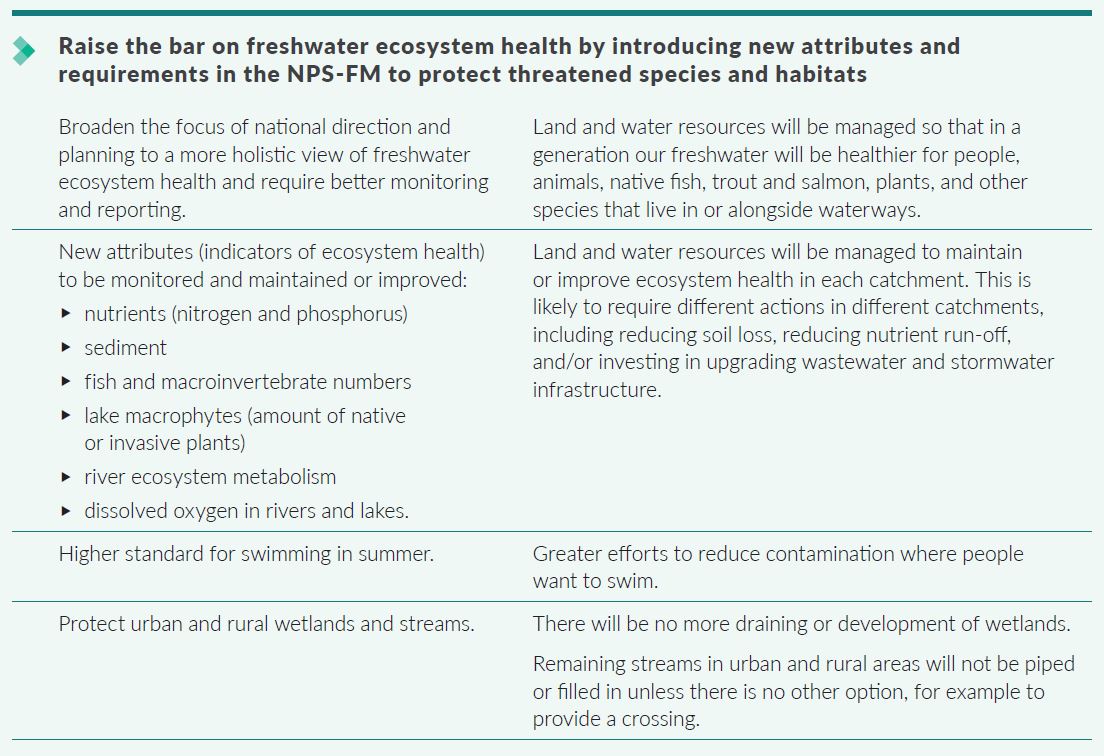
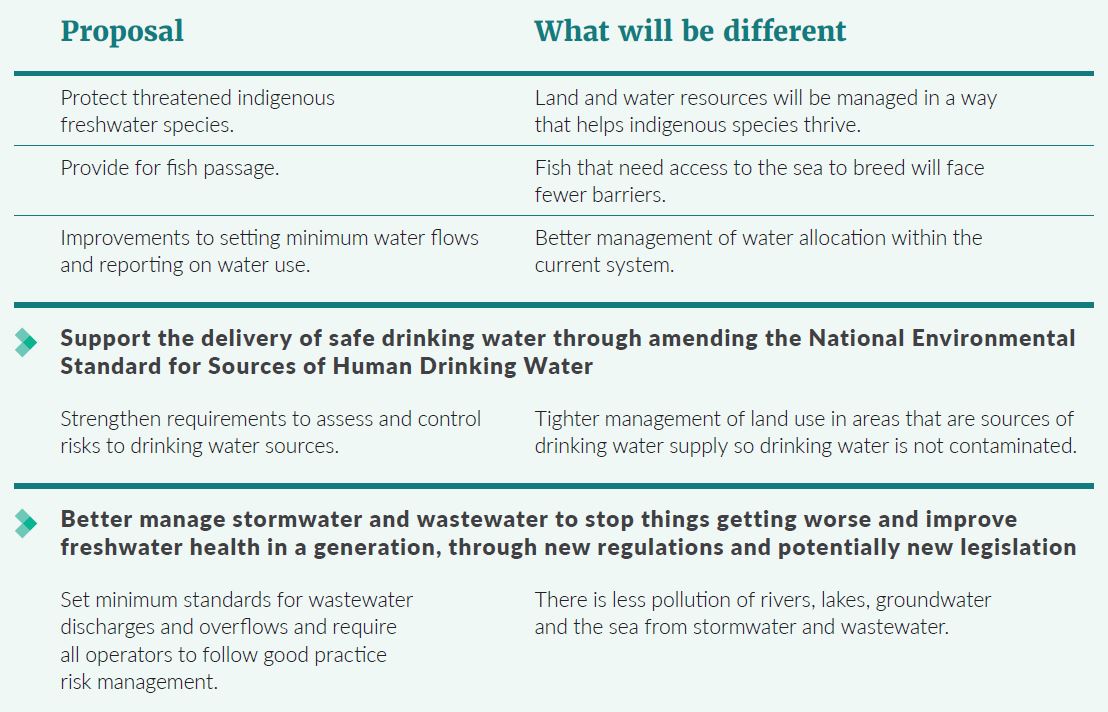
It is proposing a raft of other legislative and regulatory changes to clean up lakes and rivers within “a generation”.
These include changes to the Resource Management Act, updates to the National Policy Statement for Freshwater Management, updates to the National Environmental Standard for Sources of Human Drinking Water, and the introduction of new National Environmental Standards for Freshwater and Wastewater.
The thing that is off the cards, due to the Labour/New Zealand First Coalition Agreement, is the introduction of “resource rentals for water”.
Here is a summary of the proposals. The public has until October 17 to provide feedback.
Federated Farmers: "Proposals essentially throw farming under the tractor"
Federated Farmers estimates large parts of rural New Zealand will have to abandon their reliance on the pastoral sector based on the freshwater proposals released today.
The Essential Freshwater announcements could lead to wholesale land use change to meet unnecessarily stringent targets.
The proposed National Policy Statement for Freshwater Management nutrient levels will require parts of New Zealand to reduce their nitrogen by up to 80%.
"It becomes very hard to continue economically farming animals or growing vegetables under a regime like this," Federated Farmers environment and water spokesperson Chris Allen says.
"The long term targets for nitrogen reduction, are effectively unachievable in some parts of the country, and will end pastoral farming in these areas."
Federated Farmers continues to be supportive of government effort to improve and maintain water quality, the use of farm environment plans and the continued shift to ‘GMP’ - good management practice policy.
"But with today’s proposals the government seems to be signalling it is prepared to gamble with the viability of food production as the major export earner for New Zealand."
Feds has one simple message for the government, freshwater quality will continue to improve in rural areas, because farmers and growers are already doing the work.
"Lumping regional councils, with an entirely new regulatory system to implement and manage puts up everyone’s rates, and gives little additional support to actual water quality results," Chris says.
"Millions of dollars raised from increased rates which could have been spent on more river and waterway restoration will now be spent on hearings, lawyers and other random water experts," Chris says.
"Basically your rates will go up, while farmers are doing the work anyway."
Feds is particularly concerned about the proposed "interim controls" which will have untold ramifications for the New Zealand economy, as there will be an inevitable slump in land values, across all sectors and regions.
"The discussion documents say an ‘interim control’ is not a ban. But if it stops you from doing something with your own land, without appeal or any achievable recourse, then it’s a ban, pure and simple," Chris says.
This ban will have a significantly negative knock-on effect for all rural and urban communities where the activity of the primary sector is the lifeblood earner for the cafes, sports clubs, banks, insurance companies, car dealerships, restaurants, shopping malls and all the other people downstream of New Zealand’s largest earner.
"All we ask is for regulation that is based on science and evidence."
Federated Farmers encourages all farmers to do their best to input into this process despite the short consultation period of six weeks and it being held at the busiest time of the year for farmers.
Fish and Game NZ: Industry-set standards "need to be rejected"
Today's Government announcement has the potential to fix New Zealand's freshwater pollution crisis - but only if the right options are selected, Fish & Game New Zealand Chief Executive Martin Taylor says.
"New Zealanders deserve fresh clean water and we welcome today’s announcement. It contains a number of good options, which, if selected, will start dealing with the clean water crisis," Mr Taylor says.
"For example, we support the stance that, by 2025, regional councils will be required to have made final decisions on plans and actions that will improve freshwater ecosystem health.
"The focus on ecosystem health is long overdue, as are the new proposed planning processes that should force councils to change how they manage water.
"We also welcome the productive land package of $229 million which will support farmers’ transition to sustainable practices.
"However, we have concerns regarding a number of bad options around industry set standards and enforcement. These need to be rejected.
"The reality is that some intensive dairying operations are heavy polluters who do not want strong, mandatory rules because they want to maximise profit margins."
An example of this is winter break feeding practice in Southland.
Martin Taylor says it is essential that the Government select the options which set mandatory, enforceable rules for intensive agriculture, as voluntary accords and unenforced Farm Environmental Plans have failed the country.
"Voluntary farm environmental plans have been around for decades and they are one of the main reasons for the current degraded state of our rivers and streams."
The NES is about holding the line and stopping degradation getting worse now, while the NPS is about delivering better water quality for all New Zealanders going forward.
"We also believe a Fresh Water Commission is a good idea worth further discussion."
A recent Colmar Brunton poll conducted for Fish & Game New Zealand showed that pollution of our rivers and lakes remains a top concern for Kiwis with two-thirds expecting the Government to put rules and regulations in place to protect water quality.
"Three quarters - 77 per cent - of those surveyed said they were extremely or very concerned about the pollution of lakes and rivers.
"These results show the depth of feeling kiwis have about the loss of what they considered their birthright - clean rivers, lakes and streams.
"Kiwis expect to be able to swim, fish and gather food from their rivers, lakes and streams. This is a once-in-a-generation opportunity to tackle an issue Kiwis are deeply concerned about. Let's get this right."
National: "This document will only add to farmers’ and growers’ uncertainty"
The proposals in the Government’s Freshwater Discussion Document released today are short-sighted and will severely limit our most profitable sector, National’s Environment spokesperson Scott Simpson says.
“While we encourage the constant improvement of our waterways, many of the changes proposed will have perverse effects on our primary sector and the wider economy.
“Despite David Parker making freshwater a key part of his election campaign, it’s taken two years to finally see some proposals.
“The Essential Freshwater proposals will limit the flexibility of New Zealand farmers to adjust to market conditions and change their land use. The effects of this would be far reaching and could restrict farmers from innovating, which is one of New Zealand’s key advantages.
“Water is a both a critical strategic asset and a source of recreation in New Zealand, and we all know it must be abundant, healthy, clean and cost effective.
“National established a comprehensive National Policy Statement whilst in Government and worked alongside our primary sector to clean our waterways, which have been steadily improving, as shown by the Government’s own data from Land, Air, Water Aotearoa (LAWA). This is a major achievement of our farmers but not a story David Parker wants to tell.
“The primary sector has already taken responsibility for water with dairy farmers fencing off over 98 per cent of waterways and spending over $1 billion in environmental investment over the last five years. National applauds these efforts while acknowledging there must be more done.
“This document will only add to farmers’ and growers’ uncertainty as there is still no clarity as to what might be coming down the pipeline for them. And further tinkering with the RMA will do nothing for public or business confidence.
“The Government is taking a complex issue that requires a measured, science-based approach and is instead proposing we hamstring our most profitable sector, which accounts for 60 per cent of our exports. We all want improved water quality but this drastic action will smash the economic engine of our country.”
Local Government NZ: Pace of change can only go as fast as a community’s ability to pay
Local Government New Zealand (LGNZ) has welcomed the launch of the Essential Freshwater package as an important step to cleaning up the country’s waterways, but says more work is needed to ensure that the Government right-sizes the package to take communities with them.
“Cleaning up New Zealand’s waterways is a goal that all New Zealanders can get behind, and something that both regional councils and territorial authorities have been working towards for many years,” said LGNZ President Dave Cull.
“The challenge in doing this has been the tools with which we’d had to do the job, which is why the Essential Freshwater package is a welcome announcement. It will considerably sharpen these policy tools, and enable councils to progress the environmental outcomes that their communities want.”
“However, getting the detail and timeline settings right will be critical. We need to set our urban and rural communities up for success by right-sizing the new regulatory requirements and the deadlines so that they can meet them.”
“The reality is that the pace of freshwater change can only go as fast as a community’s ability to pay. This is particularly so when you consider the tsunami of regulatory costs that rural and provincial areas are staring at, as well as ageing infrastructure such as storm water and waste water treatment plants across the country.
LGNZ’s Regional Sector Water Subgroup has worked closely with the Government and the Ministry for the Environment as one of the Essential Freshwater Sub-Groups to assess the feasibility of various policy tools to meet the Government’s environmental outcomes.
“The Regional Sector strongly supports the Government’s goal to improve water quality, and continues to be well positioned as part of the solution. We are committed to taking a lead role in implementing the reforms, but recognise there are major challenges ahead,” said Doug Leeder, Chair of LGNZ’s Regional Sector and Bay of Plenty Regional Council.
“We want to ensure that the likely impact of the new proposals on communities is well understood and factored into the pace of change, so that we can then lend the Government our full support when the final package comes out.”
“Improvement in freshwater is a long-term game. What changes behaviour faster is on-the-ground support and incentives for landowners and resource users to make the necessary changes. Regional councils are already working with landowners, tangata whenua and community groups to get action, but public and private affordability will always have constraints.”
The Regional Sector also highlighted the need for an all-of-system response from Government to ensure the package can be implemented in the projected timeframes.
“From a New Zealand Inc. perspective we know that there are significant capacity, capability, and data gaps that will need to be closed to implement this package. The technically skilled staff we need just aren’t there in the numbers we need to do our job,” said Mr Leeder.
“That’s why we’re calling for an all-of-system response from Government. We need to ensure our tertiary institutions across the country are aligning their curriculums to the demand coming down the track for technical water skills. We also need to focus the National Science Challenges on freshwater, so that they’re actively closing the gaps in our scientific understanding of complex ecosystems.
“Ultimately, we all need to take responsibility to improve water quality, and that means everyone doing their part.”
We welcome your comments below. If you are not already registered, please register to comment
Remember we welcome robust, respectful and insightful debate. We don't welcome abusive or defamatory comments and will de-register those repeatedly making such comments. Our current comment policy is here.