
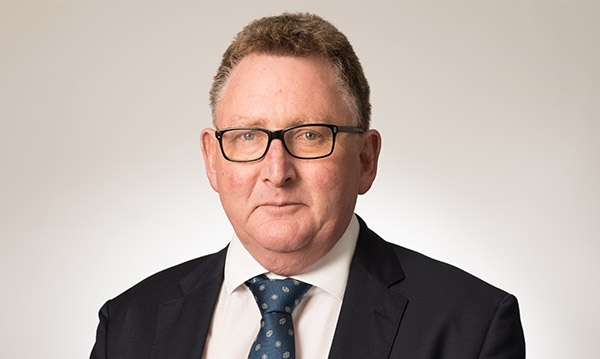
There are fears the Reserve Bank’s (RBNZ) decision to keep the Official Cash Rate at 1% will see banks increase their lending rates.
The interest rate market reacted strongly to the RBNZ’s somewhat surprising decision on Wednesday to keep the OCR at 1%, rather than cut it further.
The two-year swap rate jumped 21 basis points in the immediate aftermath of the announcement. It is up 40 basis points from an October low.
Wholesale interest rates are back where they are were before the RBNZ made its shock 50 basis points OCR cut in August.
Kiwibank economists Jarrod Kerr and Jeremy Couchman say this reaction indicates lending rates are likely to rise "a little" from here.
The RBNZ wants banks to lower their interest rates so that people borrow more and spend more to stimulate the economy. If banks respond to the RBNZ’s decision to take a breather from cutting the OCR by increasing their rates, the RBNZ’s plan to stimulate the economy backfires.
Interest.co.nz asked RBNZ Governor Adrian Orr, in a press conference following release of the Monetary Policy Statement, whether he was concerned that the sharp increase in swap rates signalled a looming increase in lending/mortgage rates.
Orr said: “That’s going to be for the retail banks themselves to decide.
“There’s plenty of margin involved, and lots of business competitive decisions between the numbers you’ve quoted, both one: to how the OCR feeds through into market expectations and forward pricing… Two: about how that forward pricing feeds in to a competitive banking sector and what they do with their mortgage rates…
“What we’ve made very clear is that we believe monetary policy is very stimulatory and that we will have to keep it at that position for a long period of time, and if circumstances change, we will act.
“Really, they have to make commercial business decisions about what they want to do with their customers.”
Assistant Governor Christian Hawkesby made the point that markets constantly change their pricing.
“Markets are currently pricing a 20% chance of a [OCR] cut in February and a 50% chance of a cut by November next year, and we’d expect those percentages to move around with the economic data as it evolves,” he said.
RBNZ Chief Economist Yuong Ha added: “Over the year, we’ve actually had mortgage rates fall by between 50 and 150bps, so while we’ve had a bit of a short-term blip, we’re still providing a lot of stimulus through the economy and it has been feeding through to retail rates that households are facing.”
ASB Chief Economist Nick Tuffley pointed out the RBNZ was now starting its three-month, summer “hiatus” until the next OCR review with wholesale interest rates markedly up, and the risk that mortgage rates start to lift just as the seasonal spring upswing in housing activity hits its straps.
“Crucially, a lot of mortgage rate re-fixing will be happening in coming months,” he said.
“The associated balance sheet risk management of that re-fixing will in itself put upward pressure on wholesale swap rates, compounding the recent wholesale market pressures.
“Keeping the OCR on hold is not without its risks.”
We welcome your comments below. If you are not already registered, please register to comment
Remember we welcome robust, respectful and insightful debate. We don't welcome abusive or defamatory comments and will de-register those repeatedly making such comments. Our current comment policy is here.