
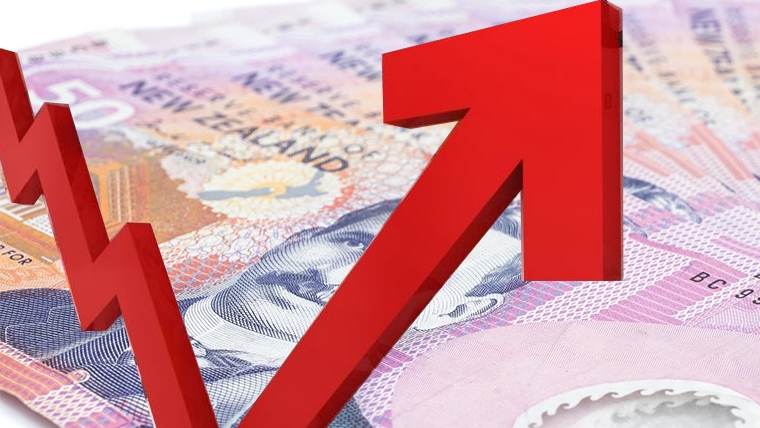
Improved prospects for de-escalation in the Middle East have driven oil prices lower, supported global rates markets, and added fresh momentum to already buoyant equity markets. The NZD shows a modest gain to 0.5890.
Overnight, there were positive developments regarding the Middle East conflict. A spokesman for Qatar’s Foreign Ministry said language for a possible US-Iran resolution has been drafted and is being circulated between the parties. Current efforts are focused on preventing further escalation, reopening the Strait of Hormuz, and creating the conditions for diplomacy to resume. Furthermore, according to diplomats, Iran is considering allowing European nations to remove mines from the strait, a softer position than Iran’s public stance. US Treasury Secretary Bessent told CNBC, “There is a chance we may have a deal today or tomorrow to open the strait,” adding that he thought there would be freedom of movement.
These headlines have sent oil prices lower, with Brent futures steadily falling overnight to below USD80 per barrel after having earlier pushed above USD86 last evening and after the recent surge to USD102. No one is claiming a deal is guaranteed, but investors are hopeful that shipping through the Strait of Hormuz can soon resume.
Lower oil prices have supported global bond markets. US Treasury yields are down 4-5bps across the curve for the day. The 10-year rate traded as high as 4.71% overnight and currently sits at 4.63%, close to the level that preceded the hissy fit during, and after, Fed Chair Warsh’s post-FOMC press conference last week. Similarly, rates have fallen across Europe, albeit with slightly more downward pressure at the short end. The UK 2-year rate is down 7bps, and the market no longer fully prices a BoE rate hike this year.
The economic dataflow has been light. The US JOLTS report showed the number of job openings fell 178k in June to 7,359k, after trending higher earlier this year. Hiring increased, layoffs were little changed, and the quits rate was steady at 2%. The number of vacancies per unemployed worker remained close to 1, consistent with a broadly balanced labour market.
Lower rates, lower oil prices, and strong earnings continue to buoy the US equity market. The S&P 500 is up 1.8% in late-afternoon trading to a fresh record high, led by gains in tech stocks. The economically sensitive Materials and Industrials sectors are the next two best performers, reflecting economic optimism. Software developer Palantir Technologies is the top performer, up 30% following a very strong earnings result, with the CEO describing sales as “otherworldly” (which apparently is a real word). The result has implications for other software companies as it assuages some fears about the negative impact of newer AI technology on their business models. The Nasdaq index is up 2.6%. The Euro Stoxx 600 index closed up 0.7% at a fresh record high, so it should come as no surprise that the MSCI World Index is also on track to post a record high.
Currency movements have been modest. Positive risk sentiment has seen the NZD push higher, returning above 0.5890. The AUD is up to 0.7040, with some additional support yesterday from stronger-than-expected household spending data for June. NZD/AUD fell after that report, trading down to a low of 0.8355 before recovering slightly.
Other NZD crosses are higher overnight. USD/JPY has been range-bound, with no evidence over the past 24 hours of further intervention, while much has been written about the joint US-Japan effort to contain the yen. The broad consensus is that intervention provides a short-term floor for the yen but is unlikely to engineer a lasting trend reversal. The threat of further intervention is seen as limiting near-term downside for the yen, but structural negative forces, namely the BoJ’s ultra-easy policy stance, remain firmly in place. USD/JPY is trading at 157.70, well above Monday’s low just above 155.20, but still comfortably below the pre-intervention level of 163.50. NZD/JPY has been drifting higher since Monday’s low and sits at 92.8.
The domestic rates market had an unremarkable trading session yesterday. Global forces helped swap rates fall 1-2bps across the curve, with hedge funds looking to put on received short-end positions and some price makers happy to clear positions. For NZGBs, rates were down 1bp at the shorter end of the curve and little changed further out.
In the day ahead, the domestic focus will be on the labour market releases. The consensus expects a small lift in employment, leading to a nudge higher in the unemployment rate to 5.4%, matching the cycle high reached at the end of last year. On the global economic calendar, the key release will be the US ISM services survey, while the ADP monthly private payrolls report will also be of some interest.
Daily exchange rates
Select chart tabs
Jason Wong is the senior Markets Strategist at BNZ Markets.
We welcome your comments below. If you are not already registered, please register to comment
Remember we welcome robust, respectful and insightful debate. We don't welcome abusive or defamatory comments and will de-register those repeatedly making such comments. Our current comment policy is here.