
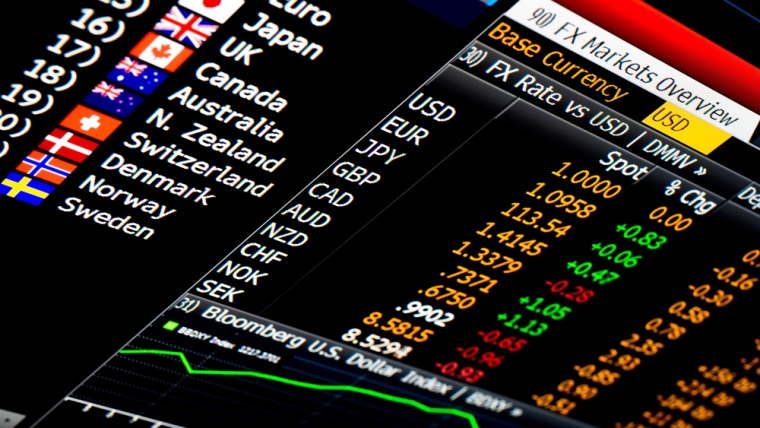
Risk appetite weakened again, with global bond yields hitting fresh multi-decade highs in overnight trading as higher oil prices and a renewed widening in French-German bond spreads came into focus. A significant retracement subsequently saw US Treasury yields fall well below their peaks, leaving them relatively flat for the day. Equity markets are weaker and the USD is broadly stronger, pushing the NZD back below 0.56.
After we reported an improvement in risk sentiment yesterday, the mood soured again overnight. With limited newsflow, this can largely be regarded as a mood swing. The US 10-year rate reached a fresh high of 5.36%, coinciding with Brent crude trading at around USD102.50 per barrel, so elevated oil prices clearly remain a concern. Oil prices have since slipped back towards USD100 per barrel, easing pressure on the rates market.
For investors concerned about inflation, crude oil is only one variable in the mix, with the recent surge in refined product prices, such as diesel, already well recognised. Freight and shipping costs are also soaring. According to the Baltic Exchange, it now costs $77m to hire a VLCC to transport a shipment of oil from the US to Asia, compared with an average of $9.2m last year. For a typical cargo of 2m barrels of oil, that equates to an additional delivery cost of about USD38.50 per barrel.
There were nerves heading into the $39b auction of 10-year Treasury notes, but strong demand saw the clearing rate come in 1.7bps below prevailing yields, and the market subsequently rallied. The US 10-year rate is currently 5.28%, well below its earlier peak, little changed for the day, and 3bps lower since the NZ close. Shortly after we go to print, the FOMC will release the minutes of its September meeting. While these could trigger a knee-jerk reaction, a number of speakers have already aired their views, so the minutes should have no lasting impact.
For those concerned about the impact of higher rates on the US economy, the average rate on 30-year fixed-rate mortgages reached 7.49% a week ago, its highest level in almost three years, according to the US Mortgage Bankers Association.
In the European bond market, weaker risk appetite drove demand for safe-haven assets and away from peripheral markets. Germany’s 10-year rate rose by one basis point, compared with increases of 5–10bps in other markets. The France-Germany 10-year bond spread widened by 12bps to 139bps as fears of a debt crisis resurfaced. The French Finance Minister told the WSJ that France could consider increasing its issuance of shorter-term debt as investors become more hesitant to hold longer-term securities. However, the Finance Ministry subsequently issued a statement saying there had been no change in its bond issuance strategy. The head of the French central bank said, “The conditions are not in place now for an intervention by the ECB…it’s not here to deal with countries’ budget problems.”
Angst in the European bond market has spilled over into the euro, making it the weakest of the major currencies both overnight and over the past 24 hours. The EUR has slipped back below 1.12 and is on track for its weakest close since May 2025. The USD is broadly stronger, with the DXY index up 0.4%, although less euro-heavy dollar indices show a smaller increase. The JPY is the strongest of the majors, demonstrating its safe-haven credentials, with USD/JPY slipping below 158.
Broader dollar strength has weakened the NZD, although the apparent short-term support level of 0.5580 has held, and the currency currently sits near 0.56. The AUD has weakened to 0.6965, while NZD/AUD is at 0.8040. Movements in other NZD crosses have also been small, with NZD/JPY weaker at 88.5 and NZD/EUR slightly higher, close to 0.50.
Higher rates have also weighed on equity markets, with the S&P 500 currently recording a modest decline, led by the economically sensitive Industrials and Materials sectors. European equities underperformed, with the Euro Stoxx 600 index down 1%.
The domestic rates market had a quiet and uneventful session yesterday. NZGB yields were unchanged at the close, while swaps also saw little movement, with the 2-year rate marked 1bp lower at 4.04%.
The economic calendar remains light, with no major data releases scheduled for the day ahead.
Daily exchange rates
Select chart tabs
Jason Wong is the senior Markets Strategist at BNZ Markets.
We welcome your comments below. If you are not already registered, please register to comment
Remember we welcome robust, respectful and insightful debate. We don't welcome abusive or defamatory comments and will de-register those repeatedly making such comments. Our current comment policy is here.