
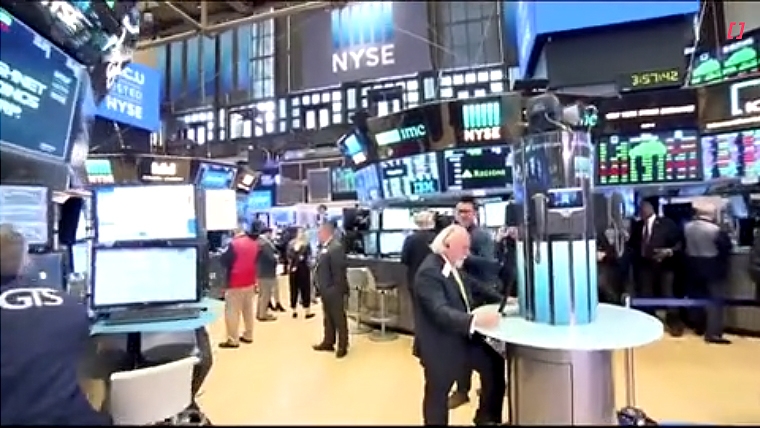
US long-end Treasury yields rebounded after investors judged the Treasury’s plan to curb borrowing costs as a short-term fix that did little to address underlying structural issues. The move weighed on equities, though net moves were modest. The S&P 500 is slightly lower in afternoon trading, while the Nasdaq is down close to 1%. Oil prices continued to rise after President Trump vowed to apply maximum economic pressure on Iran. An initial dip in the US dollar index was retraced, leaving it little changed.
Treasury Secretary Scott Bessent said in an interview with CNBC that the administration will unveil a new fiscal initiative aimed at easing elevated borrowing costs. His comments followed a day after the Treasury Department’s announcement that it would at least double buybacks of longer-dated securities to support market functioning. Bessent said the Treasury had a “big toolkit” to lower bond yields, arguing current levels did not reflect underlying fundamentals.
The market looked past Bessent’s comments about further measures, with long-end Treasuries reversing the previous day’s rally. The proposed buybacks are small relative to long-end issuance and the broader stock of debt. After trading as low as 5.18% following the initial buyback announcement, 30-year yields rebounded to 5.24%. Ten-year yields are around 6bp higher at 4.70%, while the curve has steepened as front-end yields remain little changed.
Oil rose to its highest level in almost a month after Donald Trump threatened further economic pressure on Iran. US officials said they would soon unveil plans to further isolate Iran and its trading partners, an escalation that supported prices. Brent futures traded up to US$94.50 before easing towards US$93.
Australia’s labour market data were marginally weaker than expected. The unemployment rate rose to 4.5% in July, above the 4.4% consensus estimate and in line with the RBA’s Q4 forecast in the August SoMP. Employment fell 16k, driven entirely by part-time roles, against expectations for a 12k increase. The AUD dipped after the release, while RBA pricing was little changed and continues to imply around a 50% chance of a 25bp hike by December.
The US dollar index fell to a fresh multi-month low in European trading before reversing to be little changed, though it has retained its decline since the Treasury announced increased buybacks. Net moves across G10 currencies were small. NZD/USD consolidated recent gains, oscillating in a narrow range around 0.5950. NZD/AUD traded above 0.8360 after the Australian labour market data and has largely held those gains offshore. Moves across the other main NZD crosses were modest.
A flattening bias in NZ rates extended through the local session yesterday, led by the long end after the US Treasury announced plans to increase longer-end buybacks. The 2-year NZ swap rate rose 2bp to 3.64%, remaining within its recent range, while 10-year rates fell 3bp to 4.38%. The weekly government bond tender was well supported, drawing close to NZ$2.1b in bids for the NZ$450m on offer. Both lines cleared below prevailing pre-tender market levels.
The July trade balance is the only domestic data release today. Japan CPI is also due, with consensus expecting a pickup in both headline and core inflation. Flash PMIs are released across Europe and the US. The euro-area August survey will provide an early read on whether Q2 GDP momentum has carried into Q3, after the headline PMI rose to 52.0 in July. US PMIs are expected to show still-solid activity, with consensus looking for the composite reading to dip to 53.9 from 54.5.
Daily exchange rates
Select chart tabs
Stuart Ritson is a senior Markets Strategist at BNZ Markets.
We welcome your comments below. If you are not already registered, please register to comment
Remember we welcome robust, respectful and insightful debate. We don't welcome abusive or defamatory comments and will de-register those repeatedly making such comments. Our current comment policy is here.