
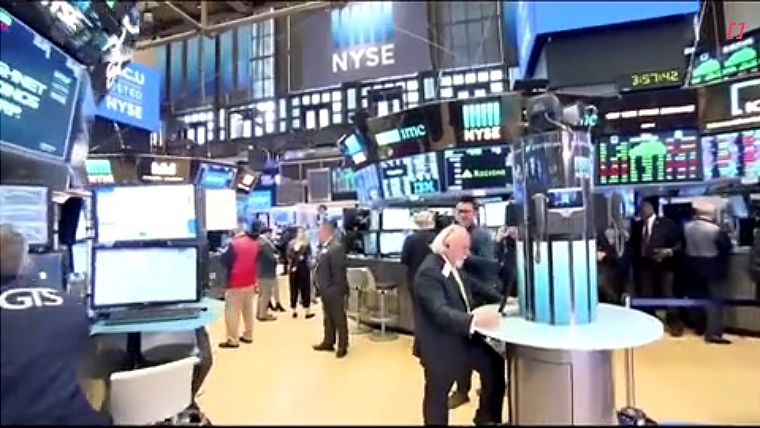
The weaker risk tone that emerged during yesterday’s Asian session extended overnight, as renewed concerns about AI valuations weighed on technology stocks and higher energy prices added to the pressure. The Eurostoxx fell 2%, while China’s CSI 300 declined 1.8%, taking its losses since June to 20% and marking its entry into a bear market. The S&P is down more than 1% in afternoon trading. Equity losses supported demand for Treasuries, outweighing concerns about inflation pressures from elevated energy costs. G10 currencies were mixed against the US dollar, with the yen outperforming.
Following a strong rally in technology stocks, investors are demanding clearer evidence of returns on AI investment and questioning whether the scale of spending can be sustained. The sector is leading the S&P’s decline, with several major AI-related stocks under pressure. Meta Platforms’ projection of billions of dollars in additional future spending commitments added to investor concerns.
Geopolitical uncertainty added to the risk-off tone and supported oil prices, with Brent crude trading above US$112 per barrel. The US State Department ordered non-emergency personnel and their families to leave Saudi Arabia amid a growing threat from Houthi militants in neighbouring Yemen. The New York Times also reported that US and Israeli militaries had drawn up specific plans for renewed strikes against Iran after the US midterm elections.
US Treasury yields fell across the curve as weaker risk sentiment outweighed concerns about higher energy prices. The 10-year yield dipped below 5.0%, down around 10bp from the NZ close. The move was broadly parallel, although the long end lagged slightly. Markets pared expectations for Fed tightening, with the probability of a hike next week falling below 10% and less than 25bp priced by December. Weekly jobless claims were steady, while the four-week average fell to its lowest since late 2022, suggesting firms continue to retain staff despite higher energy prices and borrowing costs. The data had little impact on market pricing.
Yields declined across most European sovereign markets, but French bonds came under further pressure amid broader risk aversion and the threat of renewed protests over the weekend. The French 10-year spread over Germany widened to a peak of 178bp, the highest level since the euro debt crisis, reflecting concerns about political gridlock and budget uncertainty.
The US dollar was little changed overall, with the yen outperforming on haven demand and the euro modestly weaker. The NZD was steady overnight but below yesterday’s one-month high above 0.5700.
NZ headline inflation eased to 3.7% y/y in Q3, marginally below the 3.8% consensus and the RBNZ’s 3.9% projection. However, most core measures strengthened, even as annual non-tradables inflation edged down to 3.3%. Price pressures also broadened, with the share of items recording increases rising to 60%, the highest since mid-2023. Together with emerging pressure from higher fuel prices and the lower NZD, this points to headline inflation reaccelerating in Q4.
There was little reaction to the CPI data at the front end of the NZ rates curve during yesterday’s session. Market pricing continued to imply a nearly 90% chance of a 25bp hike at next week’s RBNZ meeting and 39bp of cumulative tightening by year-end. The 2-year rate closed 2bp lower at 4.07%, with larger declines further out the curve. The 10-year rate fell 5bp to 4.67%, supported by the firmer tone offshore.
NZGBs broadly matched the move in swaps, while the weekly tender was well absorbed, with the current 5- and 10-year lines both clearing more than 1bp below pre-tender mid-market yields. Australian 10-year bond futures yields have fallen around 8bp since the NZ close, pointing to lower NZ rates at the open.
There is no domestic data of note today. Japan’s September CPI report is expected to show core inflation returning to the BOJ’s 2% target, supporting the case for further rate hikes. Elsewhere, the focus will be on October’s flash PMIs across the US, euro area and UK. US economic outperformance remains the dominant theme, although services activity in the euro area and UK has strengthened recently.
Daily exchange rates
Select chart tabs
Stuart Ritson is a senior Markets Strategist at BNZ Markets.
We welcome your comments below. If you are not already registered, please register to comment
Remember we welcome robust, respectful and insightful debate. We don't welcome abusive or defamatory comments and will de-register those repeatedly making such comments. Our current comment policy is here.