
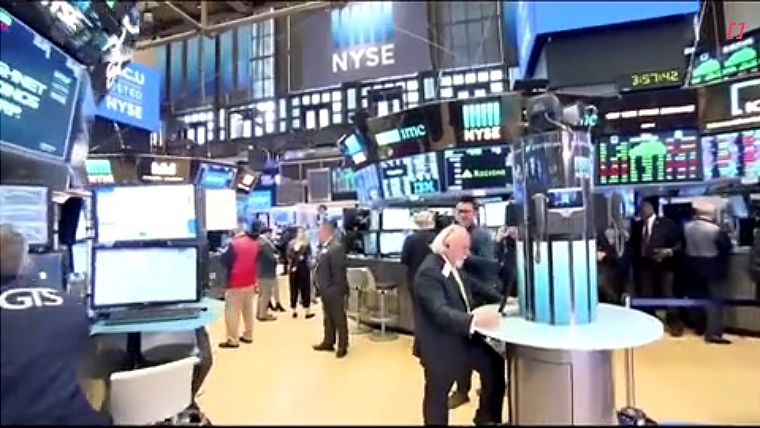
US equities fell sharply overnight, led by tech, as investors positioned for a slowdown in the AI build-out after the midterms. Speculation that congressional Democrats will clamp down on the sector hit chipmakers and data-centre suppliers hardest, dragging the Nasdaq close to 4% lower. Defensive sectors such as consumer staples and health care held up better, but the S&P still fell 3%. The VIX spiked to its highest level since the US–Iran conflict began. Treasury yields declined despite a partial recovery in oil prices, while the US dollar gained and defensive currencies outperformed.
Brent crude edged up from near US$93 a barrel after falling almost 9% on the Democratic sweep in the US midterms. The prospect of easing tensions has left Brent about 15% below its late-October levels, though uncertainty persists. Persian Gulf crude exports have recovered to near pre-conflict levels, but shipping in the region remains at constant risk of attack. US–Iran talks have yet to produce a durable resolution, although the New York Times reported that Qatar-led diplomatic efforts to avert a full-blown war have had some success, with Iran reviewing "concrete proposals" on its nuclear programme.
Rising risk aversion led markets to scale back Fed tightening expectations, with the chance of a December hike dipping below 70% and terminal pricing falling close to 10bp. Largely second tier economic data had a limited impact on price action. Treasury yields initially drifted higher, with the 10-year reaching 4.92%, before the equity sell-off triggered a sharp reversal. Safe-haven demand pulled the 10-year yield down close to 10bp to 4.83%, slightly below levels seen in Asian trading yesterday.
The Bank of England lifted Bank Rate 25bp to 4.0%, its first hike in more than three years, and struck a hawkish tone. The 8–1 vote saw Catherine Mann dissent in favour of a 50bp move, and policymakers signalled further tightening is likely in the coming months. Inflation is projected to peak at 4.9% in Q2 2027, before falling below the 2% target in 2029 on a policy rate path peaking at 4.75–5%. The one caveat is that the forecasts don’t incorporate the significantly recent fall in oil prices. Front end UK rates moved higher initially with the move fading as equity markets fell. There was little impact on the pound with EUR/GBP only dipping marginally on the release.
The US dollar firmed against most G10 currencies, with the defensive yen and Swiss franc outperforming. The NZD and AUD were among the weakest, both falling close to 1% as risk sentiment soured. The NZD pushed above 0.5650 yesterday before drifting steadily lower overnight to stabilise just above 0.5600, with much of the decline coming before the equity rout. The NZD is broadly weaker on the crosses, although NZD/AUD is little changed after trading in a wide range with the AUD weakness more pronounced as equity market fell.
NZ rates extended their decline in the local session yesterday, led by the long end of the curve. There was no domestic catalyst, but the positive tone across global fixed income supported the move. The 2-year yield fell 4bp to 3.71%, while the 10-year closed 8bp lower at 4.33%. The first of the reduced NZGB weekly tenders, now NZ$350m, was more than five times covered despite lower yields. Demand was strongest for the shortest line, with the NZ$175m May-2032s attracting NZ$1.2bn of bids and clearing 2bp through mid-market.
Despite sharp swings across global markets, Australian 10-year bond futures are net little changed from the NZ close, suggesting little directional lead for NZ rates on the open.
There is no domestic data on the calendar today. Offshore, the focus will be on US October labour market data. Consensus expects nonfarm payrolls to rise 65k, rebounding from a soft September print, with the unemployment rate steady at 4.2%. University of Michigan consumer sentiment is expected to hold up as gasoline prices continue to ease from their late-September highs. Canada also releases labour market data.
Daily exchange rates
Select chart tabs
Stuart Ritson is a senior Markets Strategist at BNZ Markets.
We welcome your comments below. If you are not already registered, please register to comment
Remember we welcome robust, respectful and insightful debate. We don't welcome abusive or defamatory comments and will de-register those repeatedly making such comments. Our current comment policy is here.