
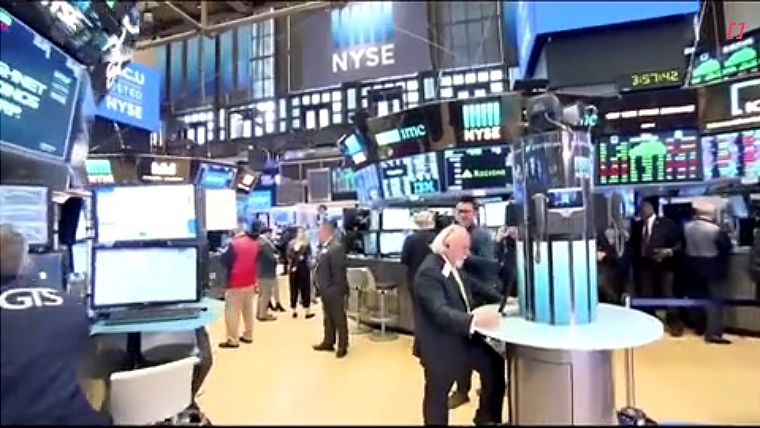
The improved risk tone has held overnight. Stocks rose in Europe, tracking a rebound in US technology shares after several sessions of volatile price action. The Euro Stoxx advanced nearly 2.5%, led by technology stocks. The gains followed a late-session rebound into Wednesday's US close that saw the Nasdaq recover from nearly entering a bear market ahead of Thanksgiving. US equity markets were closed overnight for the holiday, but S&P futures are up around 0.8% since that close, though most of the advance occurred in Asian trading. Currency markets were stable and European bond yields rose modestly.
Oil prices remain firm, with front-month Brent rising to US$96 a barrel after a near 6% gain over the previous two sessions. The move comes amid attacks by Tehran-backed Houthi rebels on Saudi Arabia's oil export hubs. Attention now turns to Sunday's OPEC+ meeting, where Saudi Arabia and its partners will discuss 2027 supply. Rolling current output quotas over into January is under consideration, but members are at odds over how much they can sustainably produce.
The Treasury cash market was closed for the public holiday, with futures pricing indicating 10-year yields were unchanged from the previous US close near 4.85%. European sovereign bond markets closed modestly higher in yield, with 10-year German bunds up 3bp to 3.26%, in the absence of first-tier economic data. It was reported that Spain's Pablo Hernández de Cos is set to become the ECB president, but the market reaction was limited given it was widely expected.
Moves across currency markets were subdued. The US dollar index is consolidating near its highest level since early last year. The Norwegian krone was the best-performing G10 currency, likely reflecting the firmer oil prices. The NZD and AUD were confined to narrow ranges, though both are marginally softer, with the NZD dipping towards 0.5470. Moves on the key crosses were small, although the NZD is a little weaker against the euro and pound.
The carry trade, one of the best performing currency strategies in 2026, has come under pressure. The strategy involves being long the highest-yielding G10 currencies while being short the low yielders. After steady gains this year, November has been a challenging month as market volatility picks up. The low-yielding defensive currencies like the yen and Swiss franc have performed relatively strongly during the month, while the higher-yielding AUD and NOK have been amongst the largest fallers.
NZ swap rates were little changed across the curve in the local session yesterday, as an initial offshore-driven rally reversed. The 2-year rate ended 1bp higher at 3.71% while the 10-year rate was steady at 4.31%. The government bond curve was also little changed. The weekly tender attracted decent demand, with a relatively small amount of interest rate risk for the market to absorb. Both lines (May-2030 and May-2035) cleared below prevailing mid rates and were close to 5 times covered by investor bids.
ANZ consumer confidence is released today. The RBNZ’s decision to leave the OCR on hold in October, together with the rapid fall in fuel prices, may provide some relief for households. The official general election results are due this afternoon, but they will mark the start of a new period of uncertainty rather than the end of one, as cross-party negotiations to form the next government get underway. Recounts in some very close electorate seats could delay progress in those negotiations further.
Otherwise, it is a quiet end to the week on the international calendar with largely second-tier data. Tokyo’s CPI report for November, which is considered a leading indicator for the national reading, is expected to show inflation accelerating. That would strengthen the case for the Bank of Japan to lift its policy rate by a further 25bp at its December meeting. The market is pricing around an 80% chance for a 25bp hike.
Daily exchange rates
Select chart tabs
Stuart Ritson is a senior Strategist at BNZ Markets.
We welcome your comments below. If you are not already registered, please register to comment
Remember we welcome robust, respectful and insightful debate. We don't welcome abusive or defamatory comments and will de-register those repeatedly making such comments. Our current comment policy is here.