

The housing market's bounce back from the lockdown has continued strongly, with mortgage lending last month hitting a record high for an August.
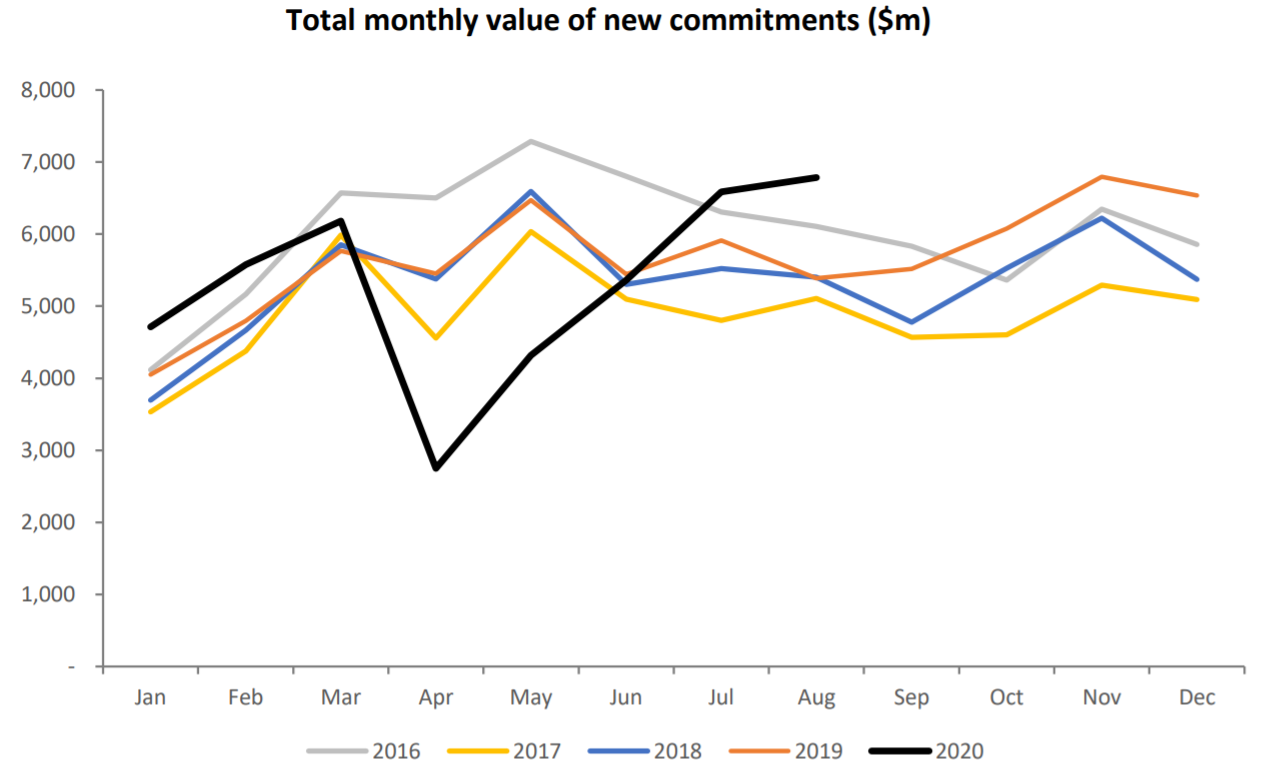
The latest Reserve Bank residential mortgage lending by borrower type figures show that nearly $6.8 billion was advanced in mortgages last month
This follows a record for a July of nearly $6.6 billion the month before. The RBNZ has been compiling this series of monthly data since 2013 and publicly releasing it since August 2014.
The all-time high in this data series for ANY month was the nearly $7.3 billion advanced in May 2016, which was shortly before the RBNZ applied tough lending limits on investors. The RBNZ in May 2020 removed all the loan to value ratio (LVR) limits, including those on investors, for at least 12 months.
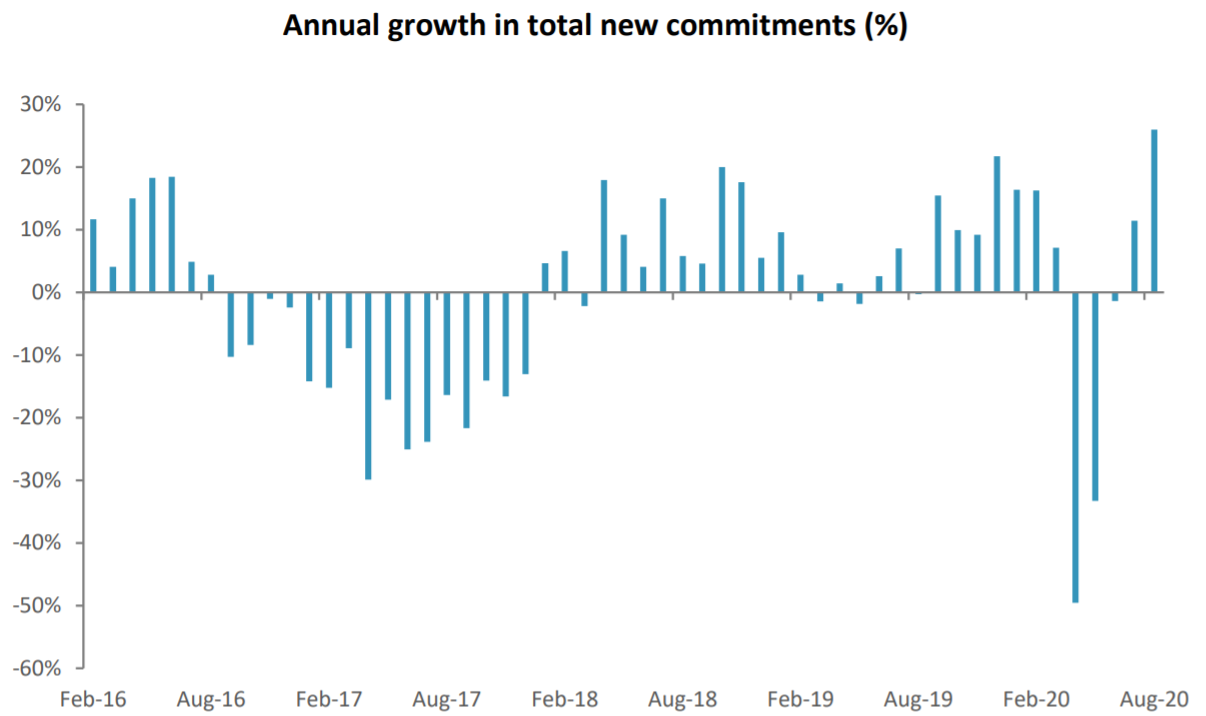
The $6.8 billion borrowed in August 2020 was up some 26% on the figure for the same month a year ago (nearly $5.4 billion). Last month easily surpassed the previous record August tally, which was $6.1 billion in August 2016.
In August 2020, first home buyers were again strong in the market, exactly matching their record borrowing level of $1.344 billion borrowed in July 2020. The July FHB total was also a record in terms of its proportion of the total - at 20.4%. Of course because the overall amount borrowed in August was higher, then the FHB proportion dropped a little - to 19.8%.
Investors borrowed almost exactly the same amount in August as they did in July too, with $1.452 billion.
The amount of high loan to value ratio borrowing by investors (regarded for investors as loans of more than 70% of the value of the property) again increased, though not by as much as the previous month when it more than doubled. High LVR borrowing from the investors totalled $491 million in August, which was up 10.3% on the high-LVR borrowing in July.
Among FHBs, their amount of high-LVR borrowing (which for them equates to over 80% of the value of the property), was $554 million, which was slightly down on the $577 million of high-LVR borrowing they did the month before.
The market has been stimulated by ever-lower interest rates. On the one hand this means cheaper, more affordable mortgages, while on the other the very low rates now available on deposits make alternative investments, such as property, appear more attractive.
Now the Reserve Bank has indicated it will likely go ahead before the end of the year with a Funding for Lending Programme (FLP), involving directly lending to banks at cheap interest rates at around the level of the Official Cash Rate (currently at 0.25%). This will put further downward pressure on retail interest rates both for mortgages and deposits. And this could well be supportive of the housing market in the run-up to Christmas.
Here's some of the highlights of the month's mortgage figures as detailed by the RBNZ:
- Total monthly new mortgage commitments were $6.8b in August – the highest August on record since the survey began in 2013. This is an increase of $0.2b (3.0%) from July 2020 and up 26.0% from August 2019.
- New mortgage commitments to first home buyers were $1.3b in August and remained consistent with July while other owner occupiers increased from $3.7b in July to $3.9b in August.
- First home buyers accounted for 19.8% of new mortgage commitments, down from 20.4% in July while other owner occupiers share of new commitments rose from 56.7% in July to 57.9% in August.
- The nationwide year-on-year growth in value of new mortgage commitments to first home buyers was 45.6%, while new commitments to investors was up 41.9%.
- The year-on-year increase of 26.0% in new mortgage commitments was largely driven by Auckland region. New mortgage commitments in Auckland increased from 3.9% in July to 24.5% in August, while new commitments outside of Auckland rose from 17.6% to 27.1%.
- Monthly new mortgage commitments with high loan-to-valuation ratio increased since the restrictions were removed in May 2020. High LVR new mortgage commitments to investors saw an increase of 10.3% in August.
We welcome your comments below. If you are not already registered, please register to comment
Remember we welcome robust, respectful and insightful debate. We don't welcome abusive or defamatory comments and will de-register those repeatedly making such comments. Our current comment policy is here.