More investors bought gold than cryptos in 2021. We are in another sharp retreating phase for cryptos just as inflation jumps. Louise Street says gold is doing its job as a safe-haven, and exhibiting its inflation hedging qualities
More investors bought gold than cryptos in 2021. We are in another sharp retreating phase for cryptos just as inflation jumps. Louise Street says gold is doing its job as a safe-haven, and exhibiting its inflation hedging qualities
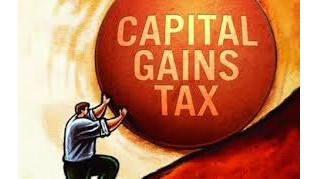
Buddle Findlay's Tony Wilkinson, Fiona Heiford & Maria Clezy highlight problems with NZ's ad hoc capital gains tax rules, and the unlevel playing field this causes
Buddle Findlay's Tony Wilkinson, Fiona Heiford & Maria Clezy highlight problems with NZ's ad hoc capital gains tax rules, and the unlevel playing field this causes
Pinelopi Goldberg touts an effective way for a high-tariff country like the US to do more to reduce costs for consumers. "Openness" and "globalisation" may have fallen out of political favour, but free trade remains sound economic policy
Pinelopi Goldberg touts an effective way for a high-tariff country like the US to do more to reduce costs for consumers. "Openness" and "globalisation" may have fallen out of political favour, but free trade remains sound economic policy
Struggling to manage the pandemic, China is caught in a tough spot, reports Mark Tanner. Although there is substantial infrastructure stimulus, there will also be further consumer-specific policies to keep spending ticking along
Struggling to manage the pandemic, China is caught in a tough spot, reports Mark Tanner. Although there is substantial infrastructure stimulus, there will also be further consumer-specific policies to keep spending ticking along
In their second edition of The Vault, ANZ commodity strategists think heightened geopolitical risks will drive investor demand for gold, and make it a good hedge against inflation despite a strong USD
In their second edition of The Vault, ANZ commodity strategists think heightened geopolitical risks will drive investor demand for gold, and make it a good hedge against inflation despite a strong USD
Koichi Hamada frames an answer to the question, "When does inflation stop?" by examining the various mechanisms that have pushed up consumer price indices
Koichi Hamada frames an answer to the question, "When does inflation stop?" by examining the various mechanisms that have pushed up consumer price indices
Milford Asset Management's Felix Fok is cautious about China from an investment perspective given the lack of a political off-ramp to change tack on fighting Omicron
Milford Asset Management's Felix Fok is cautious about China from an investment perspective given the lack of a political off-ramp to change tack on fighting Omicron