
The lack of a peace deal in the latest round of negotiations between the US and Iran drove up oil prices and nudged up global rates, but the impact on equity markets and currencies has been minimal. The NZD trades this morning at 0.5965, about where it closed at the end of last week.
Markets opened the new week with a risk-off tone after President Trump saw Iran’s response to the one-page US peace plan as “TOTALLY UNACCEPTABLE”. Overnight, Trump has added more colour saying Iran’s response was “a piece of garbage” and that he didn’t even finish reading it. Sources suggest that Iran’s plan continued to include control over traffic through the Strait of Hormuz. This highlights the massive gap between the two sides. Trump added that a diplomatic solution was still “very possible”, but the ceasefire was on “massive life support”. He said he’s considering reviving the “Project Freedom” plan to escort ships through the Strait as part of a larger military operation.
Brent crude opened the Asian trading session higher and reached about USD106 in NZ afternoon trading but there has been no follow-through overnight, trading between about USD103-106 and up 3% from Friday’s close.
The transmission of the oil shock to the global economy has been limited to date due to the buffering effect of high inventories that were in place ahead of the conflict. But the CEO of Saudi Aramco warns that inventories have been materially depleted, and the world’s stocks of gasoline and jet fuel could soon reach critically low levels. JP Morgan estimates commercial oil inventories in the developed world could approach operational stress levels by early June.
US Treasury yields opened a few basis points higher at the start of the Asian trading session and have pushed up a little overnight, not helped by a weak auction of 3-year bonds. The 10-year rate currently trades at 4.40%, up 5bps from last week’s close, with the 2-year rate showing a similar move. European bond yields are up 4-5bps across the curve.
UK Gilts are up around 9bps with the 10-year rate back at 5%, with political risk overhanging the market in the wake of Labour’s bloodbath at the local and regional elections. Initial market reaction on Friday was contained but the full extent of the collapse of Labour support is now clearer with more votes counted. Overnight, PM Starmer gave a speech, vowing to contest any leadership challenge. His position as PM is untenable and it is only a matter of time before he is challenged, with the likelihood of him being replaced by a more left-leaning candidate with less regard to UK public finances. One of the key contenders, Andy Burnham, who is popular but not a current MP, claims the country is “in hock to the bond markets”.
There has been no obvious impact of UK political risk affecting GBP at this stage. GBP is relatively flat, with the key move being USD strength during the NZ trading session reversing course overnight, resulting in little net movement from Friday’s close. The NZD dipped as low as 0.5935 yesterday but has returned to 0.5965, where it closed last week. The AUD has recovered to 0.7250 after its lurch towards 0.72 yesterday. NZD cross movements have been minimal.
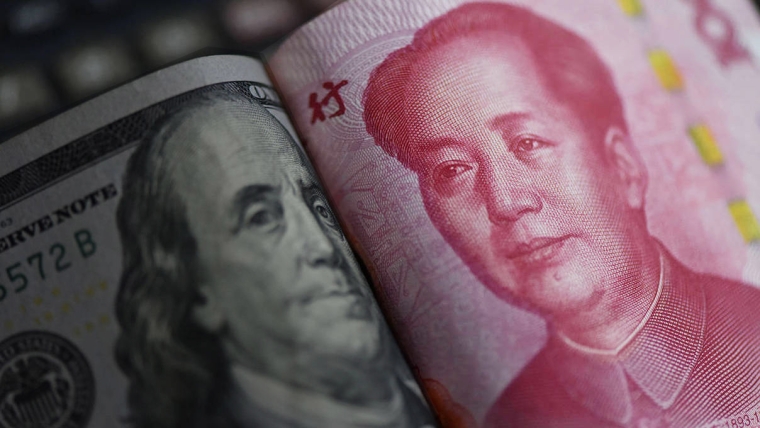
USD/CNY fell below 6.80 for the first time in over three years, continuing a trend of yuan appreciation that has persisted throughout the past year. While the PBoC has permitted this appreciation, it continues to closely manage the pace at which the yuan strengthens. Even though the yuan remains significantly undervalued in light of China’s substantial and growing trade surplus, the ongoing strengthening trend suggests it is unlikely to be a major topic at the upcoming Xi-Trump summit later this week. Both China’s PPI and CPI inflation data exceeded expectations, with annual PPI inflation surging from 0.5% to 2.8%—its highest level in nearly four years—driven primarily by rising commodity prices.
Equity markets continue to brush off overhanging risk concerning the Middle East conflict. While S&P futures were softer during the Asian trading session, once US trading began it didn’t take long for the market to take on a more positive tone and the S&P 500 currently shows a modest gain. The Euro Stoxx 600 index closed up 0.1%, supported by a gain in UK stocks, with the FTSE100 up 0.4%, showing no ill effect from UK political risk.
In other news, the WSJ reported the Trump administration planning to temporarily reduce tariffs on beef imports by suspending the annual tariff-rate quota, enabling more of the product to enter the US at lower tariff rates. The move aims to address short-term supply issues with beef in the US.
The domestic rates market was quiet. There was little trading activity in NZGBs and the curve flattened a little, with short-end rates flat against a 2bps fall in longer dated bonds. The swaps curve also flattened, with payside pressure at the short end resulting in the 2-year rate closing up 2bps at 3.57%, while the 10-year rate fell 2bps to 4.32%.
In the day ahead the Australian Budget will be released tonight, where the government will outline major housing tax reform alongside fiscal consolidation. US CPI data tonight are expected to show a further jump in annual inflation to 3.7% y/y, fuelled by gasoline, while a 0.3% m/m gain in the core CPI would nudge up annual core inflation to 2.7%.
Daily exchange rates
Select chart tabs
Jason Wong is the senior Markets Strategist at BNZ Markets.
We welcome your comments below. If you are not already registered, please register to comment
Remember we welcome robust, respectful and insightful debate. We don't welcome abusive or defamatory comments and will de-register those repeatedly making such comments. Our current comment policy is here.