
Risk appetite improved after Trump announced a framework for a future deal on Greenland, resulting in stronger global equity markets, and the NZD and AUD outperforming. Gains have been extended overnight in the face of a broadly weaker USD, seeing the NZD pierce up through 0.59.
Soon after we went to print yesterday, President Trump announced that following a productive meeting with NATO Secretary General Mark Rutte, a framework of a future deal on Greenland had been agreed. Details of the framework will be released “shortly”. Trump said it’s a long-term deal and that the US would be “involved” in Greenland’s mineral rights. Rutte said “there’s a lot of work to be done”.
Nearly 24 hours later, details of the deal remain sketchy. Bloomberg reports a European official briefed on the talks suggested the framework entails the stationing of US missiles, mining rights aimed at keeping China interests out and a bolstered NATO presence. Not on the table was the issue of sovereignty although some media report that American base areas in the region will be deemed US sovereign territory, mimicking Britain’s agreement with Cyprus. Overnight, Trump told Fox Business “We will have everything we want, we’re getting everything we want at no cost”. The WSJ reports European officials said there was no written document and that no real details on Greenland’s future had been negotiated between Rutte and Trump.
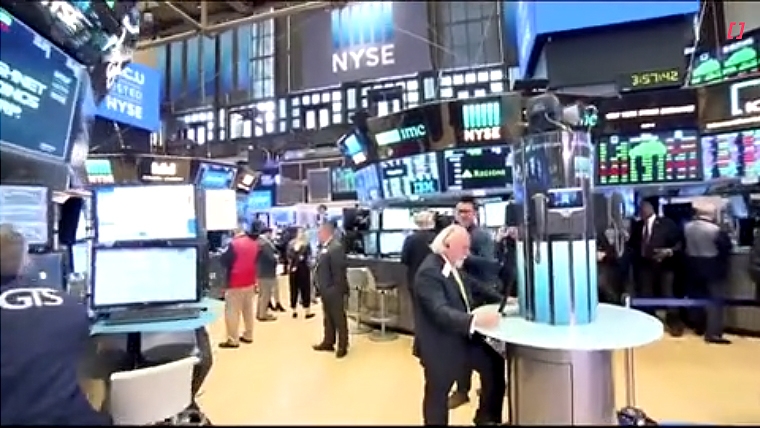
The market has focused on the fact that the move has de-escalated US-EU tensions on Greenland, rather than the lack of details. Following a strong rebound of US equities into the close yesterday, gains have been extended and the S&P500 index is up 0.8% in early afternoon trading. The Euro Stoxx 600 index closed up 1%.
US economic data released were robust, including solid gains of 0.3% m/m for real consumer spending over October and November. This suggests a resilient consumer following the strength in spending in the previous quarter. The third revision for Q3 GDP was revised up marginally to an annualised gain of 4.4% and private consumption was unrevised at a strong 3.5%. Initial jobless claims showed another below-consensus weekly gain of 200k, indicative of a low-firing job market.
Meanwhile inflation figures were in line, with the core PCE deflator showing gains of 0.2% m/m in October and November, and annual inflation 2.8% y/y.
Bond market volatility remains suppressed, with the US 10-year rate trading a range of 4bps overnight of 4.23-4.27%. The current rate of 4.25% is little changed from the NZ close. Against the backdrop of robust US data, there has been some modest upside pressure on 2-year yields, taking them up to the top of their range over recent months. For a second session, Japanese bond yields fell, indicative of calmer conditions following the meltdown earlier in the week and buyers returning to the market.
In the currency market, the initial market reaction to Trump’s Greenland announcement was a stronger USD yesterday, but overnight the USD has shown a broadly based fall. The NZD has been a notable beneficiary of higher risk appetite and it has pushed up just over 0.59, taking its year-to date gain to 2.6%, the best of the majors. The AUD was supported after stronger than expected labour market data yesterday (see below), making a sustained break up through 0.68. While NZD/AUD initially fell after the release, it found support just over 0.86 and has recovered back to 0.8640.
Other key NZD crosses are all higher, with NZD/JPY extending gains to reach a fresh 18-month high near 93.5. NZD/EUR and NZD/GBP traded at four-month highs of 0.5030 and just under 0.4390 respectively.
Australian employment rose 65k in December, driving a two-tenths fall in the unemployment rate to a seven-month low of 4.1%. The data added to the case for the RBA to hike rates sooner rather than later. Australian rates and the AUD rose. The market now prices a February rate hike as more likely than not, with 15bps priced.
Breaking the run of strong data, NZ electronic card spending data were weak in December and REINZ housing market data were soft. Total card spending fell 1.0% m/m in December, albeit following a strong 1.8% gain in November and this could simply reflect changing spending patterns with more focus on Black Friday sales in November compared to Boxing Day sales. House prices remain flat and sales activity tepid, with little sign of positivity from the significant fall in mortgage rates since the easing cycle began.
NZ rates were pushed around by global forces yesterday, lower and higher, but the net result was little change in rates for the day, with swaps marked unchanged and NZGB yields up 1-2bps.
In the day ahead the domestic focus will be on the Q4 CPI print, where the consensus sees annual inflation steady at 3.0%, well above the RBNZ’s November estimate of 2.7%. The breakdown matters a great deal for the policy outlook, and the data will appear less alarming if core inflation measures are better behaved.
Japan CPI data will be released ahead of the BoJ’s policy announcement. The BoJ is seen as highly unlikely to hike again so soon after the December hike but the market will be interested in any revisions to its CPI forecasts. Flash US and European PMI data for January are released tonight.
Daily exchange rates
Select chart tabs
Stuart Ritson is a senior Markets Strategist at BNZ Markets.
We welcome your comments below. If you are not already registered, please register to comment
Remember we welcome robust, respectful and insightful debate. We don't welcome abusive or defamatory comments and will de-register those repeatedly making such comments. Our current comment policy is here.