
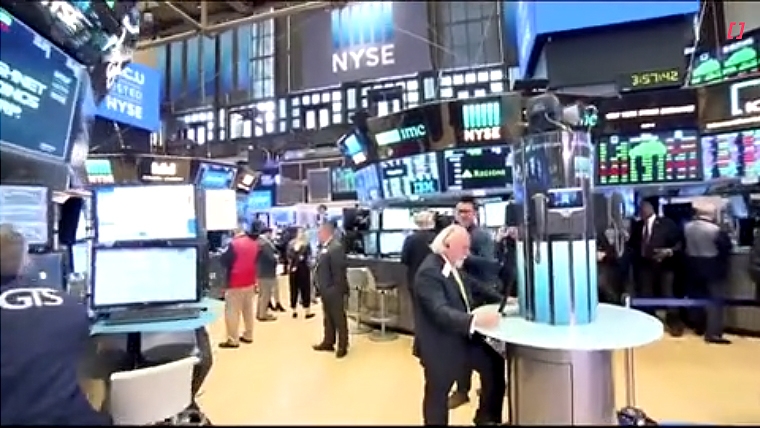
Rising geopolitical risk linked to US–Iran tensions weighed on global equities. The S&P slipped into negative territory in afternoon trade and is currently down close to 0.5%. Major European indices also retraced, with the Euro Stoxx closing around 1% lower. In contrast, sovereign bond and currency markets were little changed.
Crude prices moved higher amid the rising geopolitical tensions in the Middle East, with Brent futures gaining around 2% to trade near US$72 a barrel. The advance reflects growing concern over the U.S. military buildup in the region and the risk of a potential escalation involving Iran. President Trump has said he will decide the next 10 days if the US strikes Iran or does a deal. While oil markets began the year weighed down by excess supply, the prospect of disruption to key shipping routes, including the Strait of Hormuz, has seen risk premiums rebuild, lending near‑term support to prices.
US economic data had little impact on markets. Initial jobless claims fell to 206K which was below the consensus estimate of 225K. The pullback indicated the higher readings in the past two weeks were weather related and disruptions from heavy snowfall. Pending home sales declined more than expected in January but was also likely impacted by bad weather in the final week of January.
The minutes from the January FOMC were released yesterday morning and struck a distinctly hawkish tone. Several participants emphasised ongoing inflation pressures despite signs of stabilisation in the labour market. Policymakers noted that further increases in the federal funds rate could be appropriate if inflation fails to move back toward target, highlighting increasingly two‑sided risks around the policy outlook. Market pricing implies around 57bp of easing by the Federal Reserve by the end of the year.
US treasuries are little changed. 10-year notes are yielding 4.08% having rebounded modestly from three-month lows just above 4.0% earlier in the week.
The US dollar was marginally firmer against most G10 currencies in offshore trade. The AUD and NZD were flat. The AUD gains after stronger-than-expected labour market, which had pushed NZD/AUD to fresh multi-year lows near 0.8450 in the local session yesterday, faded. NZD/USD dipped towards 0.5950 overnight but has since recovered and the NZD is marginally firmer on the key crosses.
Australian labour market conditions remained resilient in January, with the unemployment rate holding at 4.1% and employment rising driven entirely by gains in full‑time positions. The outcome is consistent with the Reserve Bank’s (RBA) assessment that the economy can absorb tighter monetary policy settings without triggering a material increase in job losses. The data contributed to a selloff in Australian rates markets. Although the RBA is expected to keep rates unchanged in March, the market is pricing around a high chance of a 25bp hike in May.
Despite the moves in Australia, NZ rates were little changed in the local session yesterday extending the cross-market performance from the post-MPS price action. Swap rates were 1-2bp higher across the curve with a similar move for government bonds. There was decent demand from investors the weekly tender. Investors bids totalled NZ$1.8 billion for the NZ$450 million of bonds offered. The longer May-35 maturity saw marginally less demand by was still 3.5 times covered by investor bids.
The January trade balance is the only piece of domestic data of note today, although RBNZ Governor Breman is speaking as the post‑MPS round of engagement continues. The international data calendar is busier. Key releases include US Q4 GDP, expected to confirm the economy maintained solid momentum late last year, alongside preliminary PMIs for the US, UK and euro zone.
Daily exchange rates
Select chart tabs
Stuart Ritson is a Markets Strategist at BNZ Markets.
We welcome your comments below. If you are not already registered, please register to comment
Remember we welcome robust, respectful and insightful debate. We don't welcome abusive or defamatory comments and will de-register those repeatedly making such comments. Our current comment policy is here.