
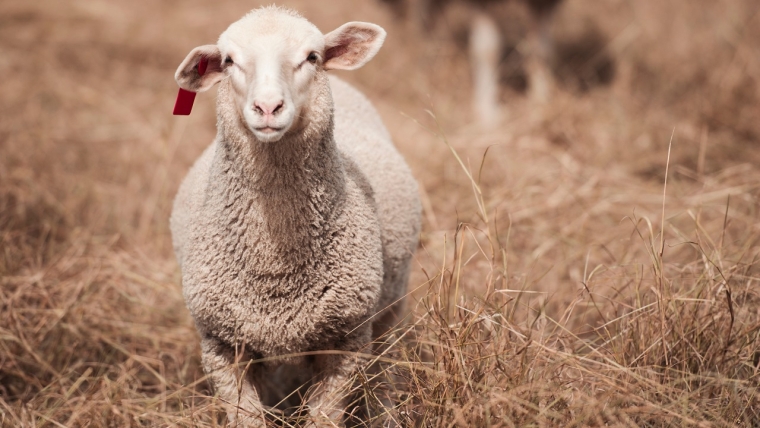
The Reserve Bank is a sheep in wolf's clothing, the economists at Kiwibank are concluding.
This follows the decision by the RBNZ last week to leave the Official Cash Rate (OCR) unchanged at 5.5% in an announcement that had a tone seen by the market as indicating a 'dovish pivot' by the central bank. While most economists had expected the OCR to be unchanged, the tone of the announcement had been expected to be much more 'hawkish', including a slight revising down of the chances of a future OCR hike .
Kiwibank's economists have long since been adamant that the RBNZ has already done more than enough with the OCR hikes - which have seen the OCR raised from 0.25% in as of October 2021 to 5.5% now.
In Kiwibank's latest First View publication, chief economist Jarrod Kerr, senior economist Mary Jo Vergara and economist Sabrina Delgado said they had learned last week that the RBNZ was "all bark and no bite".
They say they know the saying ‘a wolf in sheep’s clothing’, but in the RBNZ’s case, they see a sheep in wolf's clothing.
"....Because after some ferocious barking, and a lot of huffing and puffing about potential rate hikes, the RBNZ stripped off their wolf skin. Not only did the RBNZ keep the cash rate unchanged at 5.50%, but they also lowered their OCR track," they said.
"It seems that after a three-month break, the RBNZ came back to the drawing board and concluded: Monetary policy is working."
The economists said with the RBNZ's dovish tone and lower forecast OCR track, thoughts of rate hikes have all-but evaporated.
"And our call for a cut in November looks a little closer."
The economists said that looking at the offshore situation, central banks around the globe "have done enough", by hiking interest rates, to stifle growth and strangle inflation.
"Global growth is below trend, and our trading partner growth is expected to remain weak this year. The RBNZ sees downside risks to the global growth outlook. That points to softening commodity prices. And we’re a commodity exporter. Without a fall in our currency, our exporters may face another awkward year. The inflationary impulse reaching our shores is simply softer, with deflation in China, our largest trading partner. Yes, shipping costs have spiked with the skirmishes in the Red Sea. It will feed through to inflation (somewhere between 0.3-to-0.7% according to RBNZ). These added costs, and time, will impact the bottom lines of exporter and importers."
All of the focus is around central banks, especially the Fed, cutting rates this year.
"They have done enough, and will need to cut rates in order to achieve anything close to a soft landing. The Fed cutting first, followed by the likes of the RBA, may put some upward pressure on the Kiwi currency, which helps dampen tradables inflation. We need the Fed to act as an icebreaker, for others to follow."
Locally, the RBNZ’s comments around migration and the labour market were key, the economists said.
"Signs of a slowdown in economic activity are abundant. Whether it’s retail sales, construction, or manufacturing, tighter financial conditions are weighing on activity. Household consumption is weak and business activity is subdued.
"The RBNZ’s new forecasts were little changed and continue to paint a soft economy, continued rise in unemployment, and a (slightly) faster return to the RBNZ’s 1-3% inflation target band. Monetary policy is restrictive and having the intended impact. The need for further pain is unwarranted.
"The Kiwi economy is weak, and has been for 18 months. We saw a massive 3% decline in economic output last year, on a per head basis. Economic growth is expected to have been flat in the final quarter of last year. And looking beyond, we’re in for a few more quarters of rather subdued growth. Restrictive interest rates and below-trend global growth is weighing on demand in the economy.
"Rapid population is supporting aggregate output, and remains an upside to the economic and inflation outlook. The demand impact of strong migration is emerging in the form of rising rents. And retail sales volumes, down 4% last year, would be weaker still if not for population growth."
However, the Kiwibank economists say the supply-side impact of migration is being felt, to a great extent.
"With high migration and weaker demand, capacity constraints in the labour market have eased, and will continue easing. The unemployment rate may have increased by less than the RBNZ had expected, but wage inflation has eased. It’s clear evidence that slack is building in the market. A softening in wage inflation is key in driving a continued slowdown in domestic inflation. Unemployment is still expected to rise, hitting a peak of 5.1% by the second half of this year."
We welcome your comments below. If you are not already registered, please register to comment
Remember we welcome robust, respectful and insightful debate. We don't welcome abusive or defamatory comments and will de-register those repeatedly making such comments. Our current comment policy is here.