
By Jenée Tibshraeny
See video montage of politicians' responses over the past six months to the question: How are you considering the effects of the Reserve Bank's monetary policy in your policy-making? Finance Minister Grant Robertson admitted, as early as June, he wasn't factoring this into his Covid-19 response.
Skyrocketing house prices are turning the Reserve Bank (RBNZ) into a political football.
In the past few weeks, we’ve had Finance Minister Grant Robertson signal he put pressure on the RBNZ to reimpose loan-to-value ratio (LVR) restrictions on bank lending against housing.
Thereafter, the RBNZ announced it would consult on reinstating the rules in March - two months before it previously said it would look at the matter.
On the same day the RBNZ indirectly committed to sprinkling water on the raging housing market, it added fuel to the fire by confirming it would launch its $28 billion Funding for Lending Programme (aimed at lowering interest rates) in December.
Then we had National come out saying Robertson should make the RBNZ require retail banks that draw down on this low-cost funding to on-lend it to productive parts of the economy, not housing.
While scrutiny and public debate over the immense amount of power the RBNZ is exercising are important, the situation begs the question - how is the Government responding to the side-effects of the RBNZ’s actions - namely ballooning house prices?
There’s an argument the RBNZ should take a breather and stop going all out to lower interest rates. There’s also an argument money could be injected directly into the economy rather than via the banking system, as the RBNZ seeks to meet its inflation and employment targets.
But given the RBNZ has been clear from the start of this crisis it’s front-loading its response and using conventional “unconventional monetary policy” like quantitative easing, the onus has been on the Government to respond to the well-known impacts of this.
It admits it hasn’t, and now we are seeing the consequences of that.
The problem: Inequality
The stimulus isn't being evenly distributed. The haves are getting more, and the have nots are missing out - all the while being most at-risk of losing their jobs.
Lower interest rates are giving residential property owners both relief and capital gains.
Someone with a $500,000 mortgage, who switched from paying the average two-year mortgage rate at the beginning of the year to the average two-year rate now, would save about $54 a week in interest payments.
Someone who owns a median-priced home would have seen the value of their property increase by $85,000 between February and October, to $725,000. That’s a 13% increase in seven months… in the midst of a pandemic.
However, it’s the renters who are disproportionately affected by the crisis. These are typically young people and low-income earners. Their rent costs aren’t falling and they aren’t accumulating wealth, as they don’t own assets.
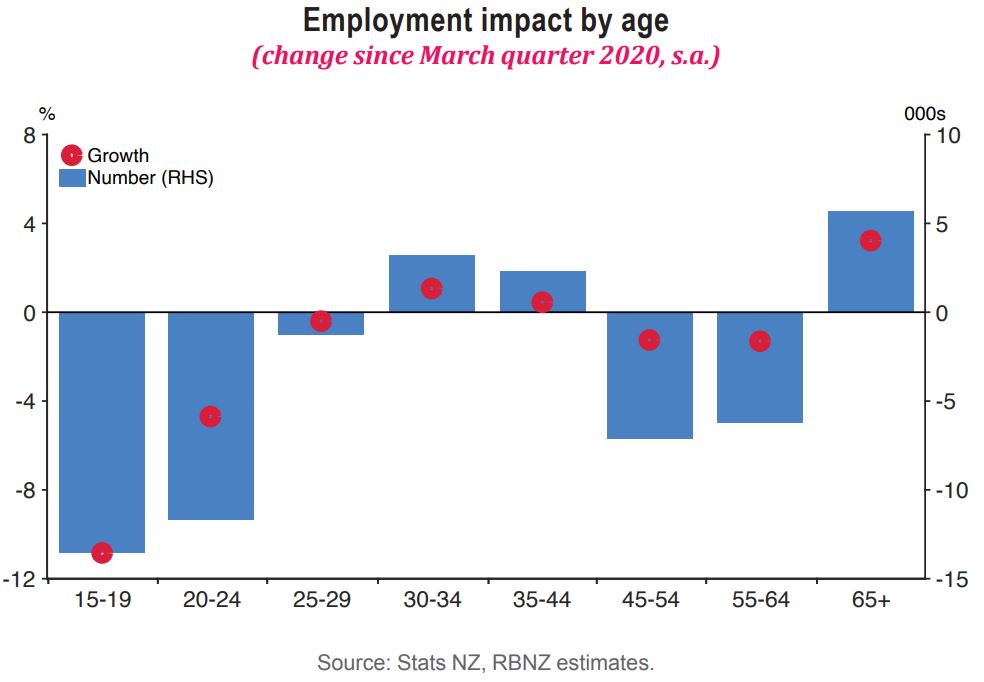
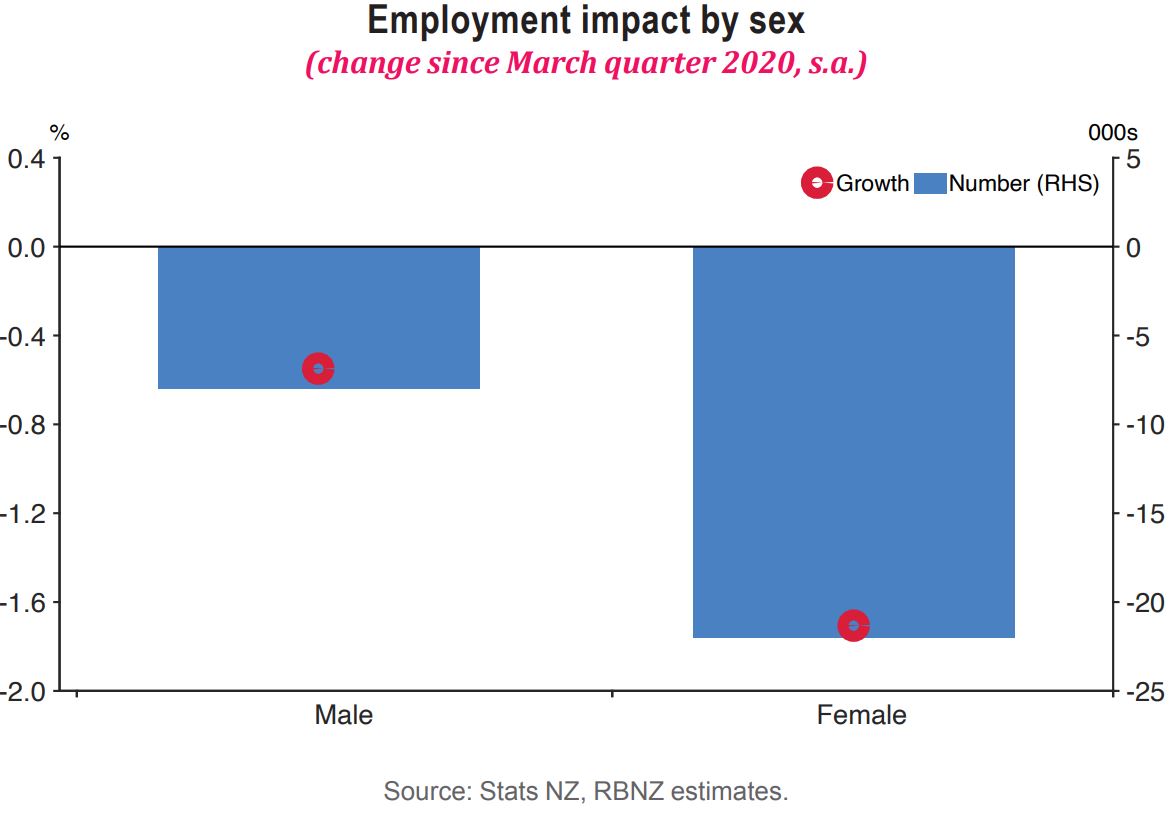
Those who lose their jobs and go on Jobseeker Support will only get $25 more each week than they would’ve before Covid-19.
Coming back to those rock-bottom interest rates, it’s fair to note lower debt servicing costs also benefit those trying to get into the property market.
But first-home buyers are stretching themselves. The portion of mortgage lending to first-home buyers with debt more than five times their annual income rose to 43% in September, from 36% a year earlier.
A major upside: Lower-than-expected unemployment
It isn’t all so bad of course.
The RBNZ has provided ample liquidity to avoid a Global Financial Crisis-style credit crunch.
Robertson made the right call fixating on keeping people employed. The wage subsidy, tax relief and loan facilities made available to businesses have been instrumental.
Making trades training free was also clever. The uptake has been good so far. Let’s hope these people can help stem labour shortages to get infrastructure projects off the ground.
Putting yourself in Robertson’s shoes
It is also to some extent understandable - politically and economically - Robertson has focused on providing stability to give households and businesses the necessary confidence to spend and invest.
It wasn’t long ago that economists were forecasting big spikes in unemployment and house price falls.
The RBNZ, in its May Financial Stability Report, said: “After nearly two decades of house price growth generally exceeding the growth rate of incomes, the current economic downturn could bring a significant correction.”
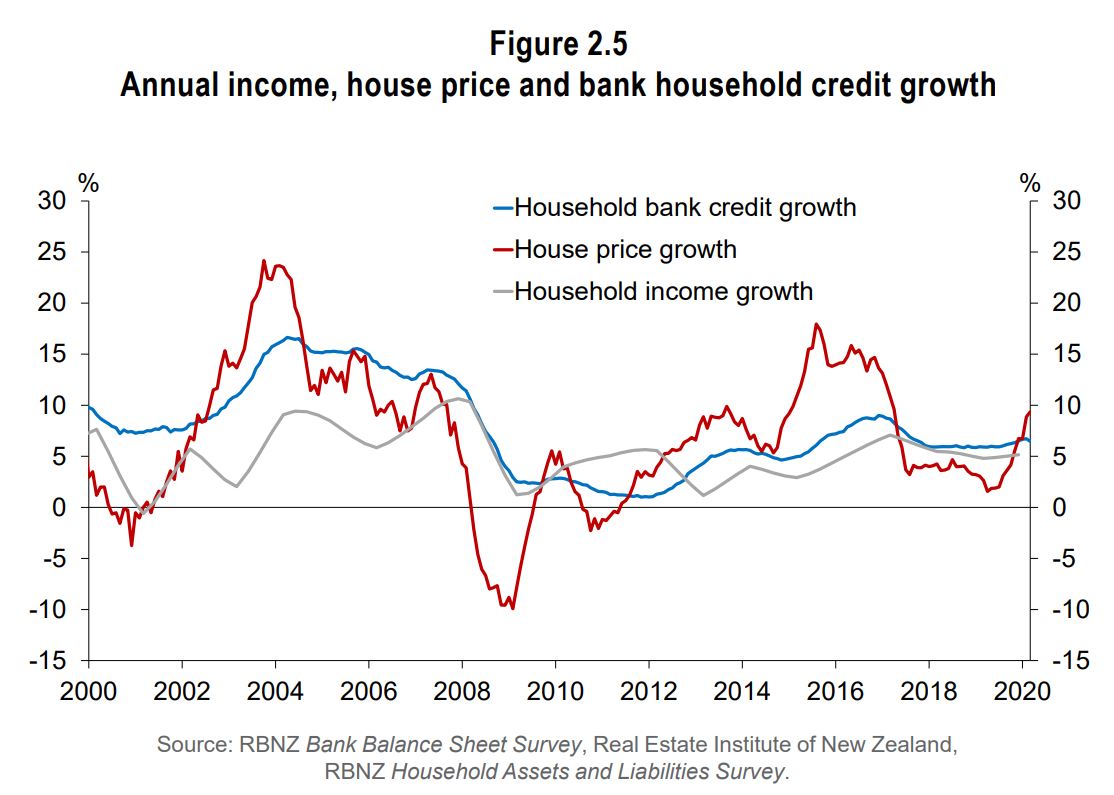
It said the introduction of LVR restrictions in 2013 meant household balance sheets could absorb a greater decline in house prices without going into negative equity. But still, a 20% drop would put 7.5% of mortgage debt at risk of negative equity.
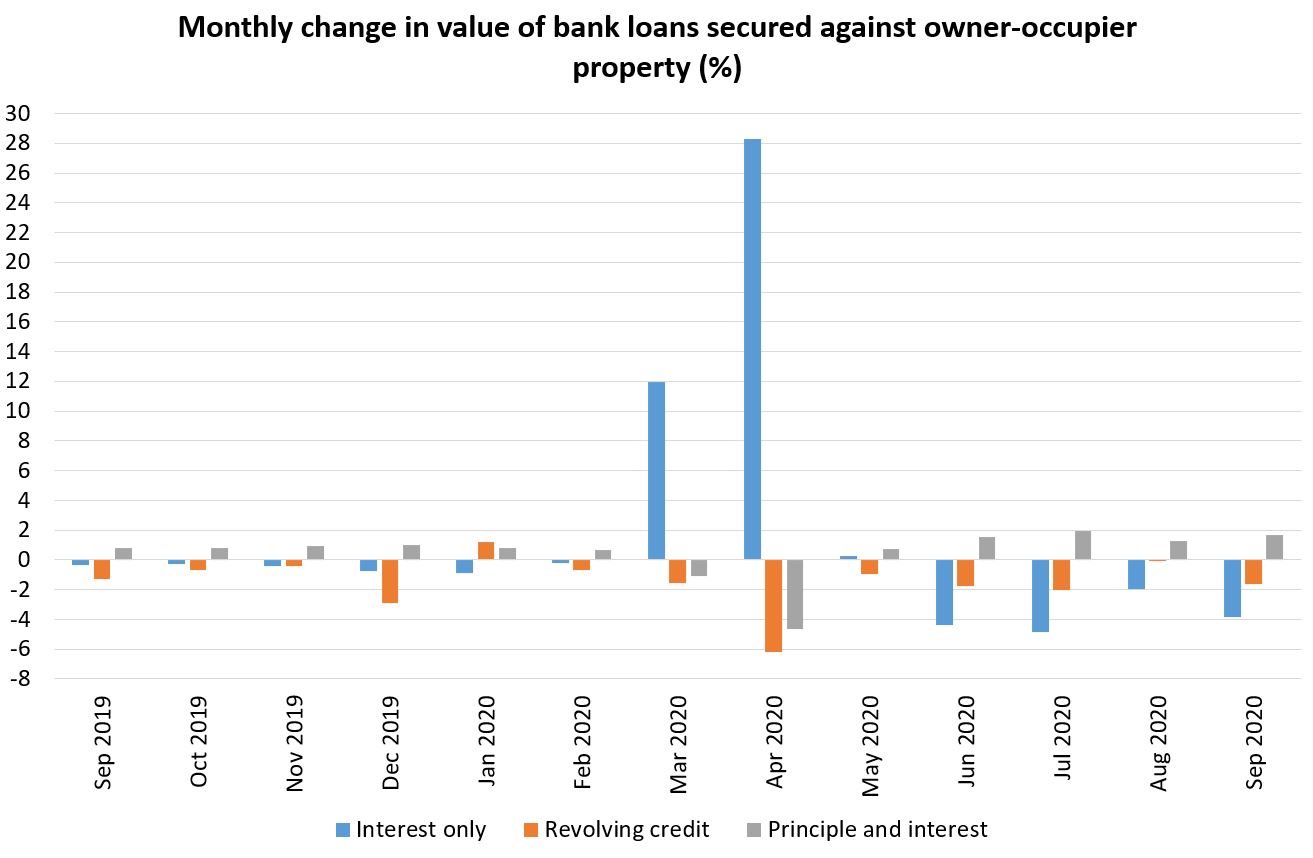
What’s more, in March and April there were worrying-looking spikes in the value of owner-occupier mortgages that went interest only.
Come the release of Treasury’s September 16 Pre-Election Fiscal and Economic Update, it turned out all the key economic metrics were looking better than expected in the short-term, with the crisis to weigh on the country more heavily longer-term. The bright spot was house prices, which Treasury forecast would keep climbing.
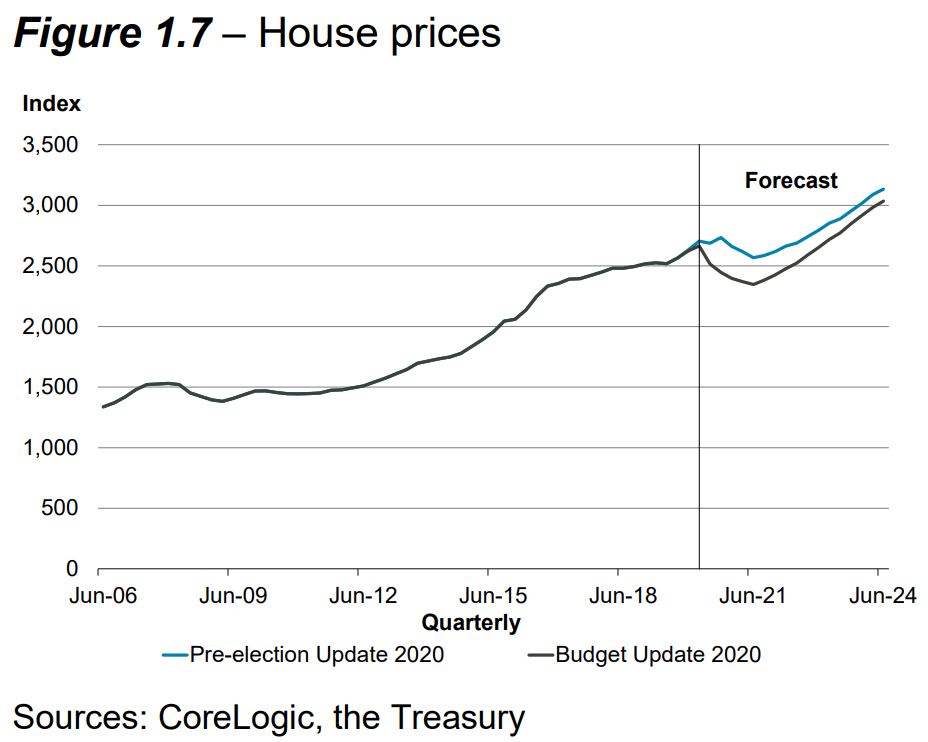
We weren’t at that point, and still aren’t, out of the Covid-19 woods. Confidence is key.
But with Labour no longer needing to feel compelled to gobble every centrist vote in the country to secure a landslide election victory, it’s time it wakes up to the reality the RBNZ’s intervention in the economy is seismic, blunt and exacerbating long-standing inequalities.
I’ve been harping on about it since June - Robertson needs to consider the distributional impacts of monetary policy.
How?
- Ramp up housing supply
We’ve heard it all before - land supply, infrastructure financing, consenting, etc. There's lots to be done.
There is hope in that the number of building consents issued is up and a new National Policy Statement for Urban Development is in place.
Former Urban Development Minister Phil Twyford has given the housing agency Kāinga Ora a number of powers to streamline large-scale developments. It now needs to initiate, or find projects, to go through the new process.
The Government is also committing to underwriting housing developments at-risk of falling through, as banks become risk-averse.
While this sounds dicey, it might be a good thing, as bank lending for residential property development fell 12% year-on-year in September, while banking lending for existing houses was up 7%.
Repealing and replacing the Resource Management Act is vital, but will take years to have an effect.
- Reform the tax system to make it fairer and incentivise investment in productive assets
Taxing income earned from assets more, and income earned from wages/salaries less, makes sense.
Designing the right package is above my pay grade, but the likes of Westpac chief economist Dominick Stephens make a valid point that addressing housing affordability from the supply-side alone isn't enough.
This is of course where Robertson will hit a political wall, as Labour campaigned ahead of the election on not introducing new taxes beyond a new tax bracket for income over $180,000.
A deviation from this will upset some people and give the Opposition ammunition for Africa.
But the counterfactual is Labour spending the next three years being berated by both the Greens and National, which now sees political capital in voicing concern over house price inflation.
- Work through the recommendations in the 2019 government-commissioned Welfare Expert Advisory Group report
A childless-adult cannot have a half-decent existence living on Jobseeker Support of $250 a week.
The Welfare Expert Advisory Group called for this rate to be increased to $315. It suggested some types of benefits be increased by as much as 47%.
The gross cost to government of implementing all its recommendations was $5.2 billion a year.
To put that in context, the Government spent $13.7 billion on welfare, excluding the wage subsidy and NZ Superannuation ($15.5 billion) in the 2020 financial year. This is expected to jump to $17.2 billion in 2021.
The RBNZ has committed to printing up to $128 billion through its quantitative easing and Funding for Lending Programme. Long-story-short, this money will be trickled through the banking system to lower interest rates.
It’s hard to argue with the 70 non-government organisations that have signed an open letter urging the government to increase benefits before Christmas.
What’s more, those with less are most likely to spend what’s given to them, which is stimulatory.
It’s great businesses can borrow for cheaper, but there’s no point doing so if they don’t have customers.
Conclusion
So, let this debate over monetary policy continue. But let’s not accept politicians deflecting to the “independent” RBNZ when it comes to housing.
This state-sanctioned concentration of risk in one asset class - residential property - needs to stop.
It’s unsustainable, imprudent and risks eroding the fabric of our society.
*This article was first published in our email for paying subscribers. See here for more details and how to subscribe.
We welcome your comments below. If you are not already registered, please register to comment
Remember we welcome robust, respectful and insightful debate. We don't welcome abusive or defamatory comments and will de-register those repeatedly making such comments. Our current comment policy is here.